

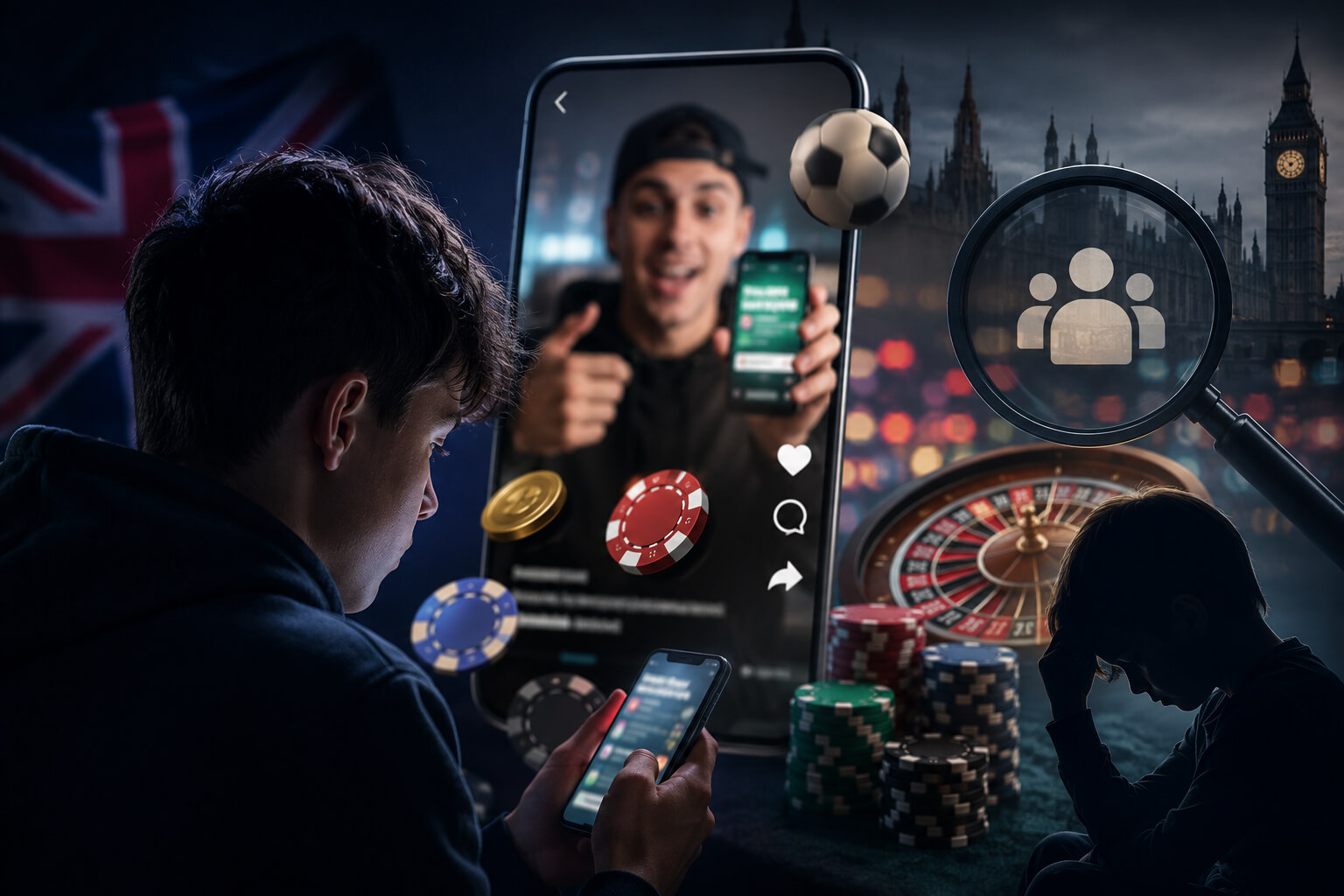
Gambling advertising does not always look like advertising anymore.
It can appear during a Twitch stream, inside a YouTube challenge or between ordinary TikTok posts. A creator mentions a betting platform, flashes a promotional code and moves on. To an adult viewer, the commercial arrangement may seem obvious. For a teenager watching someone they trust, perhaps not.
That blurry line has become part of a wider debate in the UK, where lawmakers are considering stronger protections against gambling-related harm among children and young people.
The House of Lords is scheduled to discuss the issue on July 23, 2026. Social media promotion and influencer marketing now sit near the centre of the conversation, alongside television advertising, sports sponsorship and unlicensed betting operators.
Influencers Are Reaching Young Audiences With Gambling Content
Recent Gambling Commission data gives lawmakers a reason to pay attention.
Around 16% of surveyed 11- to 17-year-olds said they had seen influencers promote gambling-related content. Among young people who had encountered any gambling content, nearly one-third reported seeing it through influencers.
Exposure is not limited to the occasional sponsored post. Almost half of young respondents said they encountered gambling advertising through social media every week, while 47% reported weekly exposure through apps. Online platforms have quietly become one of the main places where young people see betting promotions.
That changes the nature of the problem. Traditional gambling advertisements usually arrive with obvious branding, disclaimers and familiar promotional language. Creator content can feel far more casual.
A betting reference might sit beside gaming commentary, sports analysis or a creator’s normal daily content. The promotion borrows the creator’s personality and audience relationship. It feels less like an advert and more like a recommendation from someone viewers already know.
Gambling Promotions Can Blend Into Entertainment
Research cited by the House of Lords Library found that children and young people are regularly exposed to gambling influencer content on YouTube, TikTok and Twitch.
Some of that exposure is passive. Young viewers do not have to search for betting videos or follow gambling companies directly. Algorithms can place the content in front of them because they watch football clips, esports streams, gaming videos or posts from creators who occasionally work with gambling brands.
Researchers also found a link between following gambling influencers and participation in higher-risk gambling behaviour. That does not mean every promotional video causes someone to gamble. It does suggest the creator relationship matters, especially when promotional content appears repeatedly and without clear separation from entertainment.
The study called for clearer labelling and stricter rules governing where gambling-related influencer content can appear. It also raised a harder issue: algorithmic amplification.
A disclosure label can tell viewers that a post is sponsored. It does not stop recommendation systems from pushing that post toward users who may be too young to see it.
UK Lawmakers Are Considering Tighter Influencer Rules
Pressure for reform has been building for months.
An April 2026 report from the Gambling Reform All-Party Parliamentary Group and Peers for Gambling Reform called for strong restrictions on content marketing and influencer-led gambling promotion.
Their concern was straightforward. Gambling advertising delivered through creators can become nearly indistinguishable from normal social content.
Campaigners have also argued that children may struggle to recognise the difference between independent creator opinions and paid endorsements. A creator may genuinely enjoy a betting product, but once money, free bets, affiliate commissions or sponsorship agreements enter the picture, the content becomes marketing.
That distinction needs to be visible. Right now, critics believe it is too easy to miss.
The proposals remain recommendations rather than settled UK law. Parliament has not introduced a broad ban on gambling influencer partnerships. Still, the inclusion of influencer marketing in a formal debate about youth gambling harm shows how quickly the issue has moved beyond advertising industry circles.
Advertising Regulators Have Already Warned Gambling Companies
UK regulators are not waiting for Parliament to redesign the entire system.
The Committee of Advertising Practice updated its guidance in October 2025 to clarify how social media activity should influence decisions about whether a gambling advertisement has strong appeal to people under 18.
In June 2026, the Committee of Advertising Practice and the Advertising Standards Authority issued an enforcement notice telling gambling companies to review their advertising, including posts published on social media. Businesses were instructed to remove or change material likely to appeal strongly to minors.
The ASA plans to monitor compliance using its AI-powered Active Ad Monitoring System and partnerships with social platforms.
That matters for brands, agencies and creators. Responsibility does not disappear because an advertisement appears on an influencer’s account instead of a company page.
A gambling operator can still face regulatory scrutiny over the people featured in a campaign, the audience those people attract and the cultural references used in the content. Sports personalities, gaming creators and entertainment figures may carry particular risk when their audiences contain significant numbers of younger followers.
Clear Disclosures May Not Be Enough
Much of influencer marketing regulation focuses on disclosure.
Creators use labels such as “ad,” “sponsored” or “paid partnership” to make commercial relationships visible. Those labels matter, but gambling promotions introduce a more complicated question.
Should clearly labelled gambling content still reach minors in the first place?
A teenager may understand that a video is sponsored and still absorb the message. Repeated exposure can make betting appear like a normal part of watching football, supporting a creator or following an esports competition.
The concern is not only that children could misunderstand the commercial arrangement. It is also that gambling becomes part of the surrounding culture before they reach the legal age to participate.
Stronger labels could help. Better age targeting could help more. Restrictions on the types of creators gambling companies can hire may go further still.
None of those measures is especially convenient for the industry. That is partly why the debate has become serious.
Australia Is Moving Toward a Broader Influencer Ban
The UK discussion is taking place while other countries explore tougher action.
Australia introduced legislation on July 3, 2026, aimed at preventing gambling operators from paying influencers, podcasters and sports personalities to promote wagering content. The proposed restriction would apply regardless of the creator’s follower count or chosen platform.
The Australian bill is undergoing a Senate inquiry, so it has not completed the legislative process. Even so, its direction is much clearer than the UK’s current approach: gambling companies should not use personal influence to sell betting products.
The comparison may increase pressure on UK lawmakers. Once one market moves toward a direct prohibition, voluntary controls and disclosure-based rules elsewhere can start looking relatively weak.
What This Means for Creators and Influencer Agencies
Creators working with gambling companies may soon face more detailed checks around audience age, platform demographics and the overall appeal of their content.
A creator does not need to make children’s content to attract younger viewers. Football analysis, livestream gaming, comedy and general entertainment can all build mixed-age audiences. That makes follower totals almost irrelevant on their own.
Agencies will need to examine who actually watches a creator, not simply who the creator claims to target. Screenshots from an analytics dashboard may no longer be enough. Brands could ask for deeper audience data, age verification measures and evidence showing where sponsored posts appeared.
Contracts may also become stricter. Gambling operators could require creators to avoid certain language, visuals, personalities or youth-oriented trends. They may limit paid posts to age-gated environments or abandon some influencer partnerships completely.
The safer deal may become the deal nobody signs.
Gambling Influencer Marketing Is Entering a Less Casual Era
Influencer marketing grew partly because it did not feel like traditional advertising.
That same quality now creates a regulatory problem.
When a creator promotes clothing or a new phone, the blurred line between content and commerce raises transparency questions. When the product involves financial risk and potential addiction, the stakes change.
UK lawmakers have not settled on a broad restriction yet. The current government remains focused heavily on illegal gambling operators and says it still has confidence in the existing regulatory framework.
Pressure is building anyway.
Youth exposure figures are difficult to brush aside, and social platforms keep placing creators between brands and audiences in ways older advertising rules did not fully anticipate.
The gambling industry may still have access to influencer marketing. It is becoming harder to treat that access as automatic.
Sources
- Net Influencer: UK Parliament to Weigh Curbs on Gambling Influencer Marketing as Youth Exposure Data Mounts
- House of Lords Library: Reducing Gambling Harm Among Young People
- Net Influencer: Australia Moves to Ban Gambling Companies From Paying Influencers Under New Advertising Law
