

Influencer marketing in the Caribbean is no longer just about paying someone with a large following to post a product and hope the likes turn into sales.
That version still exists, of course. A quick post. A discount code. A product held close to the camera. Done.
But marketers across the region are starting to treat influencers differently. More like partners. More like audience bridges. Sometimes even like risk factors that need proper screening before a brand hands them the microphone.
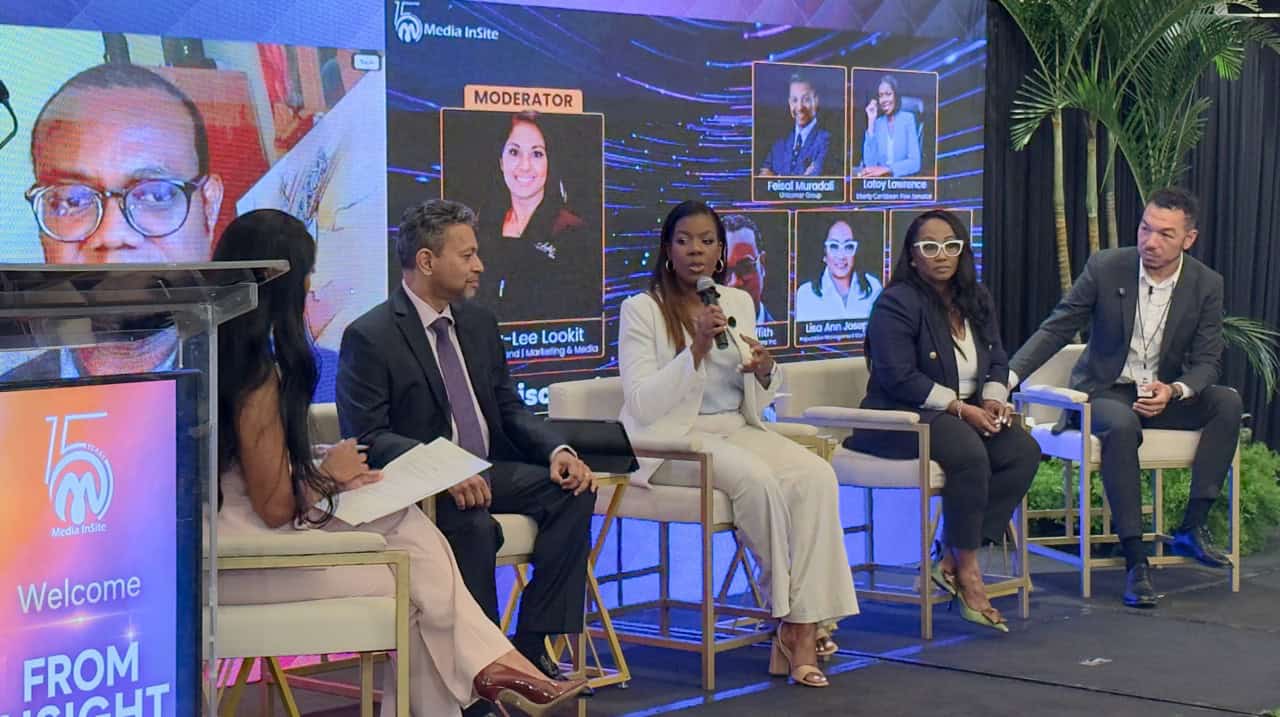
At Media InSite’s 15th anniversary event on July 1, a panel of Caribbean communications and marketing professionals discussed how influencer marketing is actually being used across Jamaica, Barbados, Trinidad and Tobago, and the wider region. The conversation came at a time when the global influencer marketing industry has grown from US$9.7 billion in 2020 to US$37.2 billion in 2025.
Caribbean Brands Are Using Influencers, But Not Always for the Same Reason
Unicomer Group’s Regional Marketing Manager Feisal Muradali said the company uses influencers across the region at different levels, depending on campaign goals. Micro-influencers have become especially useful because they can build awareness while giving brands a clearer window into consumer behavior.
That point matters.
In smaller markets, massive reach is not always the prize. A creator with a tight, trusted community may be more valuable than a personality with broad visibility but little buying influence. Especially for local businesses. Especially for brands that do not need thousands of new customers overnight.
Darren Hosang-Rudder, co-founder and Sales and Marketing Director of Restayge, made that small-market logic clear. A villa owner in Tobago, for example, may not need hundreds of bookings. Fifteen right customers in one quarter could be enough.
That is where micro-influencers become interesting. Not because they are cheap. Because they can be specific.
The Big Mistake: Outsourcing Brand Building
Latoy Lawrence, Head of Marketing at Flow Jamaica, gave one of the sharpest warnings from the discussion: brands should not treat influencers as outsourced brand builders.
Influencers can help move audiences through the marketing funnel. They can build awareness. They can add credibility. They can help drive conversion when the campaign is planned properly. But they cannot replace the actual work of building a brand from the inside.
That sounds obvious until you look at how many campaigns still get built around the wrong question.
Who has the biggest audience?
Wrong starting point.
The better question is: what role does this influencer play in the customer journey?
If the campaign needs awareness, the influencer has one job. If the campaign needs trust, that is another job. If the campaign needs conversion, the brand has to think beyond the post and look at the full experience after the customer clicks.
Because the influencer may get the person to the door. The product still has to do the rest.
Authenticity Is Not a Buzzword Here
Influencer marketing loves the word authenticity so much that it sometimes loses meaning. In the Caribbean context, though, the word carries real weight.
Muradali said authenticity is what can shift influencer marketing from a basic media spend into brand advocacy. The brand and the influencer need some kind of value alignment. Not fake alignment. Real enough that the audience does not smell the campaign from a mile away.
Devin Griffith of G&A Communications in Barbados also pointed to audience fit as a major factor. It is not just about whether an influencer has followers. The real question is whether that audience is aligned with the brand and whether there is purchase intent inside that audience.
That is the part some brands still skip.
They look at numbers first. Then maybe engagement. Then maybe content quality. Audience relevance sometimes comes too late.
By then, the campaign already looks forced.
Caribbean Storytelling Gives Influencers an Edge
One reason influencer marketing works in the Caribbean is simple: storytelling.
Muradali described Caribbean people as strong storytellers, and that cultural strength gives regional creators a natural advantage. The entertainment value, the voice, the humor, the local references, the way a creator can make a product feel part of everyday life — that is not easy to copy with a polished corporate ad.
This is where Caribbean influencer marketing feels different from a generic global campaign template.
A creator can speak in the language of the audience. Not just literally, but culturally. The rhythm is different. The references are different. The trust signals are different.
That does not mean every influencer is right for every brand. It means the right voice can travel further than a clean campaign asset.
Short-Term Influencer Deals Can Backfire
Lawrence also warned small businesses not to treat influencers like a one-post media bank.
A short burst might feel cheaper. Pay for one post. Maybe two. Get the campaign out. Move on.
But that can create problems. The influencer may work with a competitor right after. Their audience may see too many unrelated promotions. The brand may lose the chance to build a deeper association.
Longer-term partnerships are harder. They cost more. They require planning. They require trust on both sides.
Still, they usually make more sense when the brand wants credibility instead of quick noise.
The Risk Is Real, Especially in Sensitive Industries
Influencer marketing can go wrong fast.
Hosang-Rudder pointed out that the risk rises in industries like finance, medicine, and wellness, where a creator’s knowledge, consistency, and credibility matter much more than they would for a simple consumer product.
That is the uncomfortable part.
A creator might be entertaining. They might have reach. They might even have loyal followers. But can they responsibly speak about a financial product? A health service? A wellness claim? A home purchase? A car?
Not every category can be promoted with the same casual style.
There is also risk for the influencer. If they endorse a product that fails their audience, they can lose trust, engagement, and long-term credibility. The brand is not the only one taking a gamble.
Internal Brand Ambassadors Still Matter
Lisa-Ann Joseph, CEO of Reputation Management in Trinidad and Tobago, pushed brands to look inward too. She described influencers as a rented commodity and argued that companies should build more capacity among internal ambassadors, including executives and staff.
That line will probably make some marketers uncomfortable.
But it is true.
If a company’s own people cannot explain what the business does, why should an external creator be expected to carry that message perfectly?
Influencers can amplify. They can translate. They can bring attention.
They should not be the only people who know how to speak for the brand.
Influencer Marketing in the Caribbean Needs More Discipline
The Caribbean influencer economy is not standing still. Brands are more interested. Agencies are more involved. Creators are becoming more professional. Small businesses are also seeing that influencer partnerships do not have to be reserved for companies with huge budgets.
But the smarter campaigns will not be the loudest ones.
They will be the ones with better matching, better briefing, better audience understanding, and more realistic expectations.
Influencers are not magic. They are not brand saviors. They are not a shortcut around bad strategy.
Used well, they can help Caribbean brands reach the right people with a voice that feels familiar, trusted, and alive.
Used badly, they are just another paid post moving quickly through the feed.
