

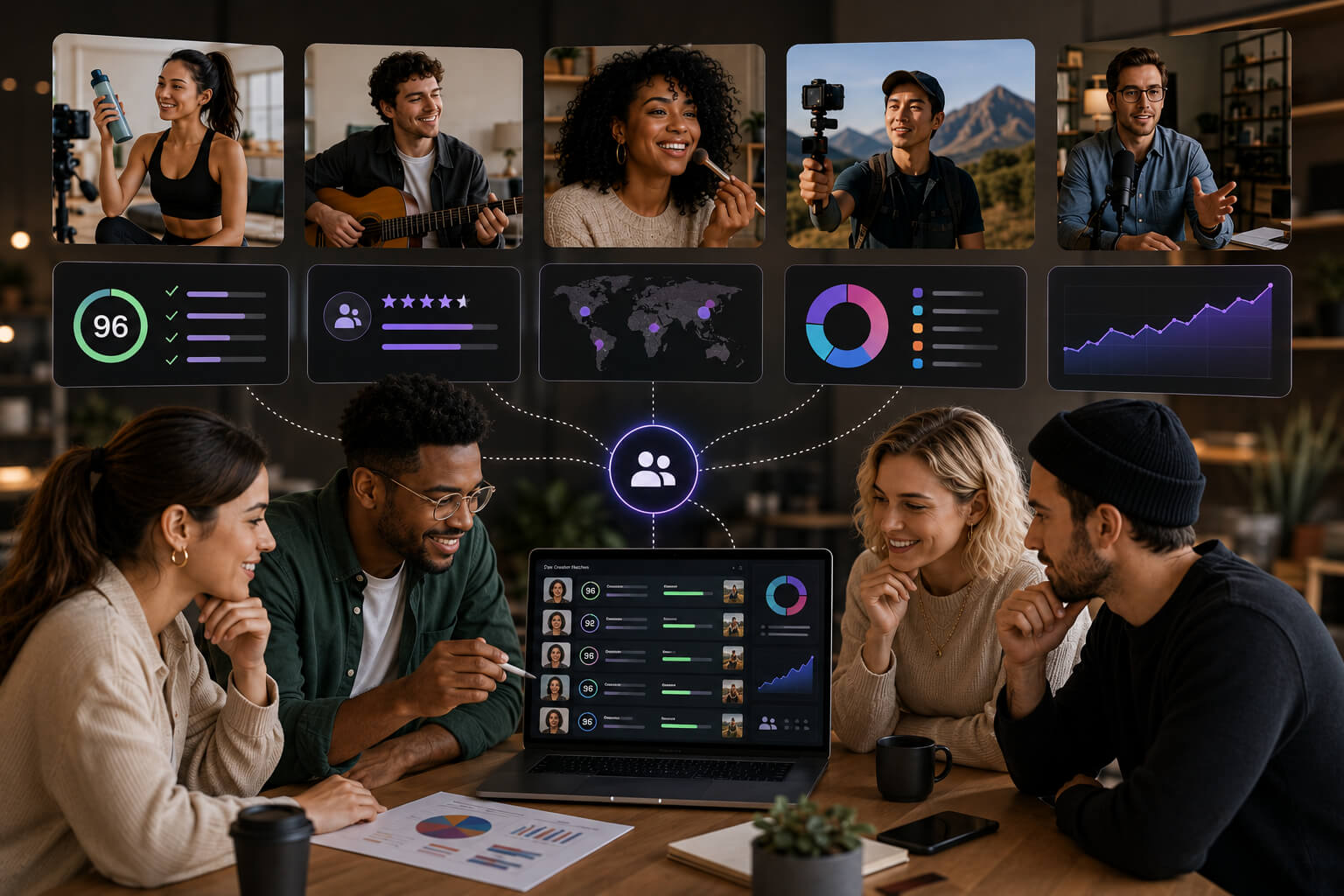
Brands are rethinking how they work with influencers. Rather than just turning to celebrity endorsements or big-budget social media campaigns, many brands are looking at creator collaborations that are more authentic, community-oriented and culturally in tune.
The creator economy has become more competitive and audiences are no longer impressed by visibility alone. Consumers want content that feels real, relatable and connected to the communities they belong to. This shift is pushing brands to partner with regional influencers, niche creators, gaming personalities, artists and community-led voices that can help them reach audiences in a more meaningful way.
Why Creator Collaborations Are Evolving
The old school of influencer marketing was all about reach, follower counts and virality. While those metrics still hold weight, brands are now more focused on trust, audience relevance and cultural fit.
Sometimes a smaller but more engaged community can provide more value than a larger influencer with a broad but less connected audience. This is especially true in regional markets, gaming communities, beauty circles, fashion subcultures and other niche digital spaces.
For brands, the goal is no longer just to appear in feeds. The goal is to become part of conversations that already matter to consumers.
Regional Influencers Are Becoming More Valuable
One of the biggest changes in creator marketing is the rise of regional influencers. Brands are realizing that India’s digital audience is not one single market. It is made up of many languages, cultures, cities and communities.
Regional creators can offer brands something national campaigns often can’t: trust. They speak the language of their audience, they know the local culture, and they create content that feels organic, not forced.
And that’s why we are seeing more brands investing in grassroots campaigns, regional creator networks and user-generated content. These campaigns allow brands to plug into local conversations and empower creators to tell stories in their own voice.
Creator Collaborations Are Extending Beyond Endorsements
The emerging trend of creator collaborations is not limited to sponsored posts. Brands are collaborating with influencers to co-create products, events, content formats and experiences.
Fashion and lifestyle brands are partnering with gaming creators to build collections inspired by digital culture. Beauty brands are partnering with regional creators through offline events, workshops and community activations. Consumer brands are also collaborating with artists and niche creators to reach specific audience segments.
This makes the creator feel less like a paid promoter and more like a cultural collaborator.
Gaming Creators Are Crossing Over Into Fashion And Lifestyle
Gaming is no longer just a category of entertainment. It’s become a massive part of youth culture, shaping fashion, identity, language and online communities.
Gaming creators have loyal audiences who see them as more than content creators and brands are starting to realize this. They are trendsetters, community leaders and cultural voices to digitally native consumers.
That’s why we’re seeing more and more gaming-led creator collaborations in fashion, streetwear, tech and lifestyle categories. These partnerships help brands reach young audiences in places where traditional advertising can feel less effective.
Authenticity Is The New Influence Metric
With influencer marketing becoming more crowded, authenticity is becoming one of the most important factors in selecting the right creator.
Audiences are quick to sense when a partnership just doesn’t feel right. A creator who endorses every product that comes their way, regardless of how it aligns with their personal brand, can lose credibility. On the flip side, creators who have built trust around a specific topic, region, skill, or lifestyle can drive more impactful engagement.
For brands, this means that the creator selection needs to go beyond follower numbers. The right questions are:
- Does the creator have real trust with their audience?
- Does the partnership fit naturally with the creator’s content?
- Can the creator help the brand connect to a specific community?
- Will the partnership be a conversation starter versus just another ad?
Niche Communities Are Driving Brand Discovery
The influencer economy is getting more fragmented but that fragmentation is also creating new opportunities. Instead of trying to reach everyone at once, brands can now work with creators who own specific communities.
These communities can be based on gaming, beauty, fashion, finance, regional culture, art, wellness, parenting or professional expertise. The value is relevance.
When a brand finds the right community through the right creator, the campaign can feel more personal and memorable. This is particularly important when consumers are exposed to large volumes of content every day.
What to Look for in a Creator Collaboration
When considering a collaboration, brands should focus on brand fit, not popularity. The right partnership is a true match of message, creator identity and audience interests.
The best creator partnerships share four key qualities:
- Audience Match
The creator should already be talking to the audience the brand wants to reach. - Cultural relevance
The partnership should connect with a real trend, community, region, or consumer behavior. - Creative freedom
Creators understand their audiences best. Campaigns often perform better when creators are allowed to communicate in their natural style. - Trust and credibility
A creator’s influence depends on the relationship they have built with their audience. Trust is now one of the strongest assets in influencer marketing.
The Future of Creator Collaborations
The next phase of influencer marketing will likely be shaped by creators who own specific communities rather than those who simply chase mass popularity.
For brands that want deeper engagement, regional influencers, gaming creators, seasoned professionals, artists and niche community builders will continue to become more important. At the same time, AI tools may help brands discover creators faster, but technology cannot replace the trust that creators build through lived experience and community connection.
The lesson for brands is clear: the best creator partnerships are not always the biggest ones. They are the ones that feel authentic, culturally relevant and connected to the world of the audience.
Brands that are selective with creators will have a better chance of standing out in the crowded influencer economy as digital audiences become more selective.
