

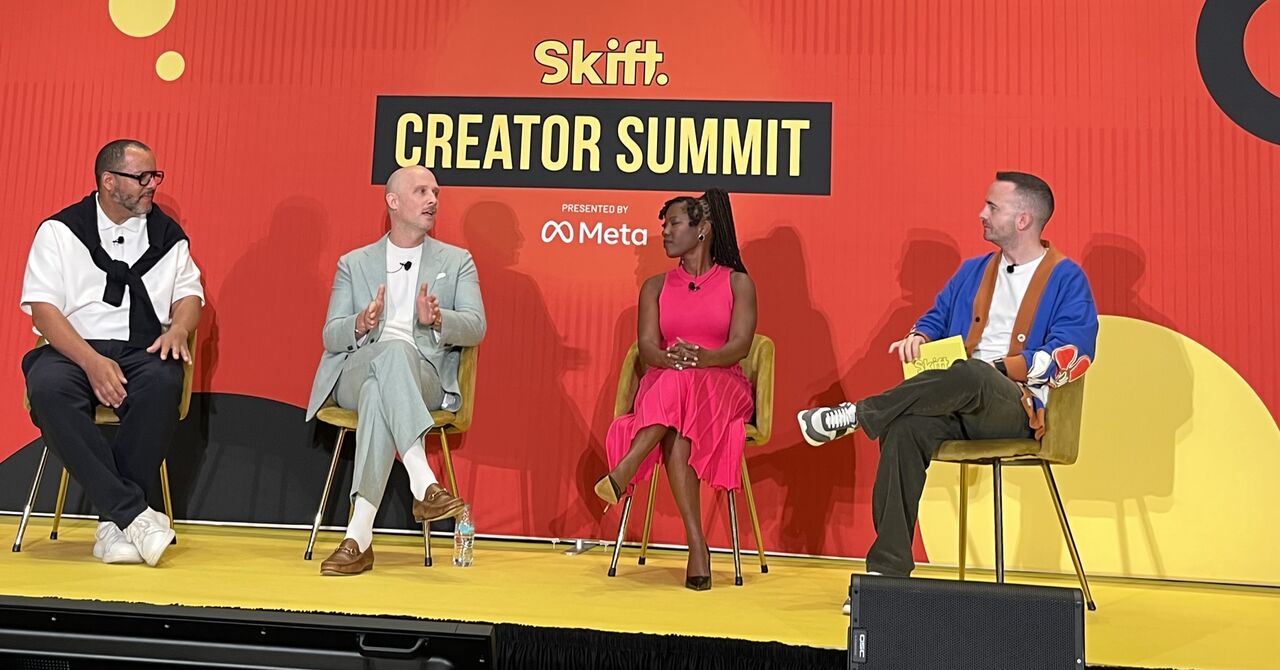
The creator economy has reached a point where brands are asking a different question. It is no longer only about views, engagement or follower counts. The bigger challenge is figuring out how creator influence turns into measurable business results.
That discussion took centre stage at Skift Creator Summit 2026, where travel industry leaders gathered to explore how creators are changing the path from inspiration to purchase. The event focused on a growing gap: creators can influence where people travel, what hotels they choose and which experiences they consider, but the final booking often happens somewhere else. Skift
For years, travel brands treated creators mainly as awareness partners. A creator posts a destination video, an audience becomes interested, and the transaction happens later through search engines, online travel agencies or brand websites.
That model is beginning to shift.
Creators are becoming part of the commercial journey itself, with affiliate links, social commerce tools, creator-led travel products and direct booking opportunities bringing them closer to the transaction. Skift
The Travel Discovery Funnel Is Moving Into Creator Feeds
Travel planning used to begin with a search box. Today, many travellers discover destinations through short videos, livestreams, communities and creator recommendations.
Skift highlighted that social media has become a major source of travel inspiration, particularly among younger travellers. The shift creates a new challenge for travel companies: how do brands capture demand when discovery happens before a customer ever visits a booking platform? Skift Live
A hotel, airline or tourism board may not own the first interaction anymore. A creator might introduce a destination months before a traveller searches for flights or accommodation.
That first impression carries weight because audiences often view creators differently from traditional advertising. The relationship is built around familiarity, storytelling and personal recommendations.
But trust is fragile.
A creator partnership that feels too commercial can quickly lose the same authenticity that made the creator valuable in the first place.
From Influencer Campaigns to Creator-Led Business Channels
One of the biggest themes from the summit was the need to rethink how brands define creators.
The old model focused heavily on campaign metrics: impressions, likes and reach.
The emerging model looks closer to a business channel.
Creators can now act as content producers, distribution partners, community builders and sales drivers at the same time. Skift noted that many brands are still struggling to measure this broader role because traditional marketing systems were not designed around creator-driven demand. Skift
The challenge is not whether creators can generate attention. That has already been proven.
The harder question is attribution.
If someone watches a travel video today, saves it, discusses it with friends and books a trip weeks later, which part of that journey receives credit?
Brands are now looking for better measurement systems that connect creator content with actual commercial outcomes.
Trust Becomes the New Currency in Creator Marketing
The rise of AI-generated content adds another layer to the creator economy.
As synthetic images, videos and automated content become easier to produce, audiences are placing greater value on credibility. The summit examined how creators and brands can maintain trust while scaling content production. Skift Live
For creators, authenticity remains their strongest advantage.
A recommendation works because audiences believe there is personal experience behind it. Removing that human connection risks turning creator marketing into another form of advertising.
Brands also face a balancing act. They need consistency and brand safety, but excessive control can make creator content feel scripted.
The most effective partnerships may come from giving creators enough freedom to communicate naturally while maintaining clear commercial goals.
Social Commerce Pushes Creators Toward Direct Revenue
The next stage of creator marketing is moving beyond influence into commerce.
Travel companies are experimenting with new ways for creators to participate directly in sales through affiliate systems, booking tools and community-driven products. Skift
This changes the creator relationship.
Instead of paying only for exposure, brands can build partnerships around measurable outcomes. Creators who help generate bookings, repeat customers or stronger loyalty become strategic partners rather than temporary campaign assets.
The transition also creates opportunities for smaller creators.
A large audience does not automatically guarantee conversion. A creator with a smaller but highly engaged community may influence decisions more effectively than a personality with millions of passive followers.
The Creator Economy Enters Its Next Phase
Skift Creator Summit 2026 showed that the creator economy is entering a more mature stage.
The conversation has moved away from whether creators matter. The industry is now focused on infrastructure: measurement, attribution, trust, ownership and commerce.
Travel brands are adapting to a reality where customers may discover their next destination on TikTok, Instagram, YouTube or another creator platform before ever visiting a traditional travel website.
The companies that understand this shift will not simply treat creators as marketing expenses. They will build systems around them.
Because the future of influence is no longer only about getting attention.
It is about what happens after attention.
Sources
- Skift — Skift Creator Summit 2026: Building Trust to Influence the Transaction
https://skift.com/2026/09/30/skift-creator-summit-2026-building-trust-to-influence-the-transaction/
