
Creator marketing is taking a much bigger slice of the budget for direct-to-consumer brands. However, the money is no longer being handed out simply for reach.
Some D2C companies are now directing between 10% and 25% of their overall marketing budgets toward creators. For digital-heavy brands, the share can climb much higher. Industry estimates suggest influencers can account for roughly 40% to 50% of digital marketing spend for some online-first businesses.
That is a serious change from the days when influencer campaigns sat somewhere on the edge of a media plan. Creators are increasingly being used for product discovery, demonstrations, reusable content and, crucially, customer acquisition.
Brands still want attention. They just want proof that the attention goes somewhere.
Creator Marketing Is Becoming a Core D2C Budget
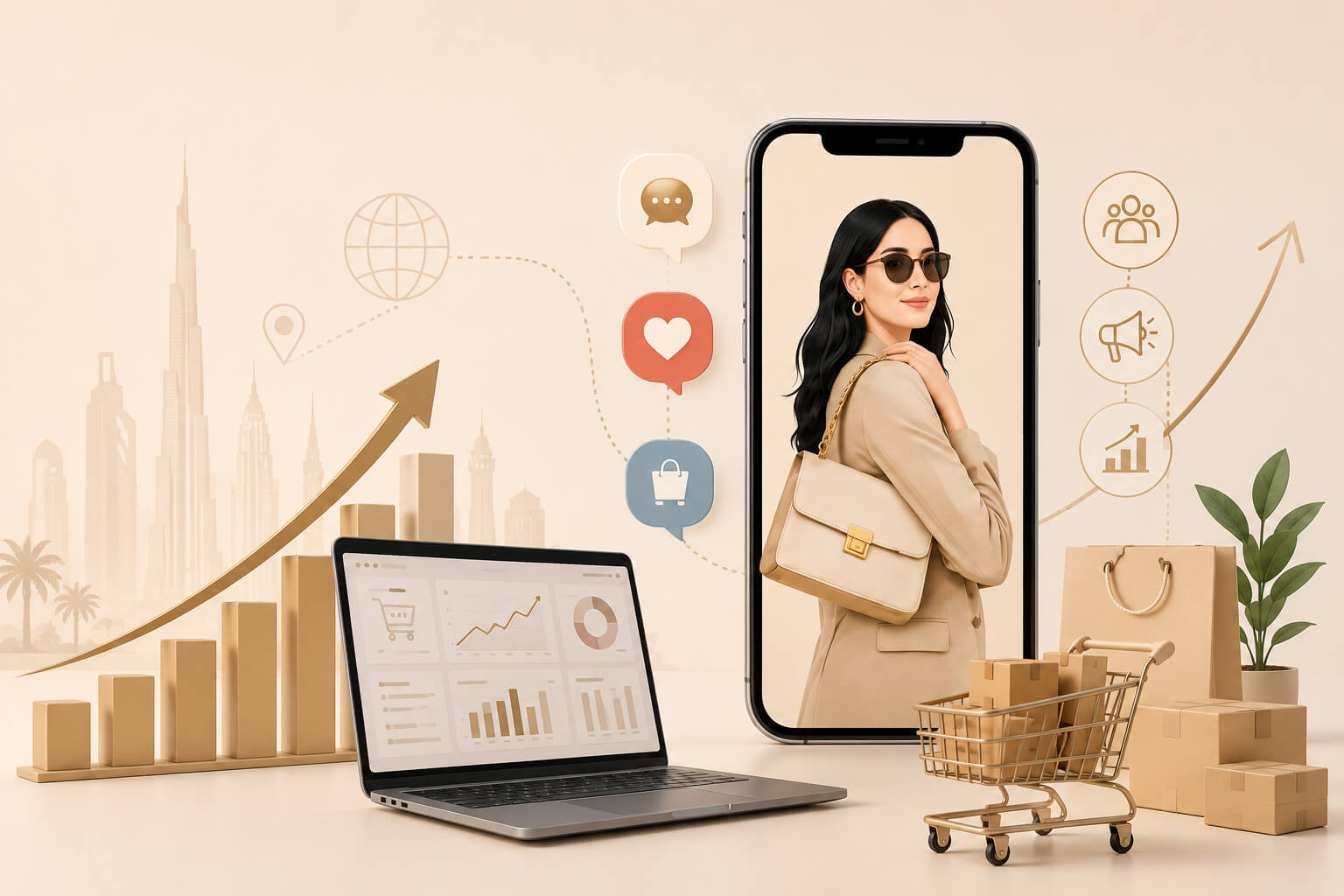
Indian accessories brand Miraggio is one example of how quickly creator spending is moving. Around 25% of its marketing budget is reportedly going toward creators, following a significant increase in investment during the past 12 to 18 months. For a fashion business, that makes sense. A conventional ad can show a handbag. By contrast, a creator can show how it looks with an outfit, how it fits into everyday life and why someone might actually want it.
That gives creator content a different job from traditional advertising. Miraggio still relies heavily on platforms such as Meta for performance marketing, while Google captures people already searching with intent. Creators can sit earlier in that journey, creating interest before a potential buyer has even started searching for the product.
Escape Plan Puts 10% to 15% of Marketing Spend Into Creators
Travel and luggage brand Escape Plan reportedly allocates around 10% to 15% of its marketing budget to creators and influencers. That proportion has been gradually increasing over the past year. The category is naturally suited to creator-led marketing because buyers often want to see products used in real situations before making a purchase.
A creator can open a suitcase, show how much fits inside, test the wheels, pack for a trip and explain what works or does not. That kind of demonstration can be more useful than a polished product ad. Escape Plan has also leaned toward smaller creators. Micro and nano influencers are taking a larger role than celebrity partnerships. User-generated content is becoming more important as well.
Micro and Nano Creators Are Winning More of the Budget
The move toward smaller creators reflects a wider change across the D2C sector. Research on India’s market has found that many brands are allocating between 10% and 25% of their marketing budgets to influencers. In addition, nano and micro creators often generate stronger engagement than much larger accounts.
Follower count is starting to matter less on its own. A smaller creator with an audience focused on travel, fashion, beauty or another specific interest may be more useful to a D2C company than a celebrity with millions of followers but weaker relevance. Brands can also spread their budget across several smaller creators. This allows them to test different formats and see which partnerships actually generate interest or sales.
Creator Fees Are Rising Fast
The growing demand for creators is pushing prices higher. Escape Plan said average creator fees have increased substantially over the past two years, with some categories becoming more expensive faster than campaign returns are improving.
That creates a tougher calculation for brands. Social content can have a short lifespan. At the same time, the real cost of a creator partnership often goes beyond the original post. Usage rights, paid amplification, whitelisting and licensing can all add to the final bill. As costs rise, brands are becoming much more selective about who they work with and what they expect in return.
One-Off Influencer Posts Are Losing Their Appeal
The traditional model of paying a creator for one sponsored post is becoming less attractive to many brands. Longer-term collaborations, affiliate arrangements and performance-linked partnerships are starting to look more useful. This is because they give both the creator and the audience more time to build familiarity with the product.
Repeated exposure can also make a partnership feel more natural. A creator who works with the same brand several times is more likely to understand the product and explain it properly. The brand also gets more content. That content can potentially be reused across paid social campaigns, product pages, organic posts and other marketing channels.
Creators Can Take 40% to 50% of Digital Marketing Spend
The numbers become even more striking when looking specifically at digital-first businesses. Industry executives cited in the report estimate that influencers can represent around 40% to 50% of the digital marketing mix for some D2C brands.
That puts creator marketing much closer to established digital advertising channels such as Meta and Google. Instead of being treated as a side campaign, creator activity is becoming part of the core media plan. Some brands are now running influencer programs every month rather than waiting for product launches or major promotional periods.
D2C Brands Want Creators Further Down the Sales Funnel
The biggest shift may not be how much brands are spending, but what they expect creators to deliver. Influencer marketing was once measured mainly through reach, likes, views and engagement. Those metrics still matter. However, D2C companies increasingly want to know whether creator activity leads to product searches, site visits, sign-ups or purchases.
Affiliate links, promo codes and attribution tools are becoming more important as a result. Creators are still being used for awareness, but many brands now want them involved in consideration and conversion too. The creator is no longer just introducing the product. In many campaigns, they are being asked to help close the sale.
Festive Campaigns Could Push Creator Spending Even Higher
India’s festive season could drive another jump in creator spending as brands compete for attention during one of the country’s busiest shopping periods. Industry estimates suggest creator economy expenditure during festive campaigns could rise significantly. Furthermore, individual brands may increase influencer budgets compared with regular months.
Campaigns are also starting earlier. A shopper might first discover a product through one creator, see another person demonstrating it days later and then encounter a discount or affiliate offer closer to the purchase. Creator marketing is starting to behave less like a collection of sponsored posts. It is now more like a connected media system.
Creator Marketing Has Entered Its Accountability Era
More money moving toward creators is a strong signal for the creator economy, but larger budgets also bring more scrutiny. Brands spending a meaningful share of their marketing budgets on influencers will eventually expect the same kind of accountability they demand from other digital channels.
That does not mean every creator post needs to produce an immediate sale. Brand building, discovery and audience trust still matter. Good creator content can also be reused long after the original campaign ends. Even so, the direction is clear. Brands want a better understanding of who creates demand, who drives action and which creator partnerships deserve another round of investment.
Creator marketing is no longer sitting at the edge of the D2C strategy. It is moving closer to the centre, and the next phase will be shaped less by follower counts and more by measurable value.
Sources
Storyboard18 reported on the growing share of D2C marketing budgets being directed toward creators, including spending estimates, brand examples and the rising role of influencer marketing in digital media plans: https://www.storyboard18.com/influencer-marketing/d2c-brands-put-10-25-of-marketing-budgets-into-creators-agencies-see-40-50-of-digital-spend-109298.htm
ETBrandEquity also reported on creator adoption among D2C brands in India, including the growing use of nano and micro creators and the role of influencers in driving sales: https://brandequity.economictimes.indiatimes.com/amp/news/research/3-out-of-4-d2c-brands-now-use-creators-to-drive-sales-report/125889591
