

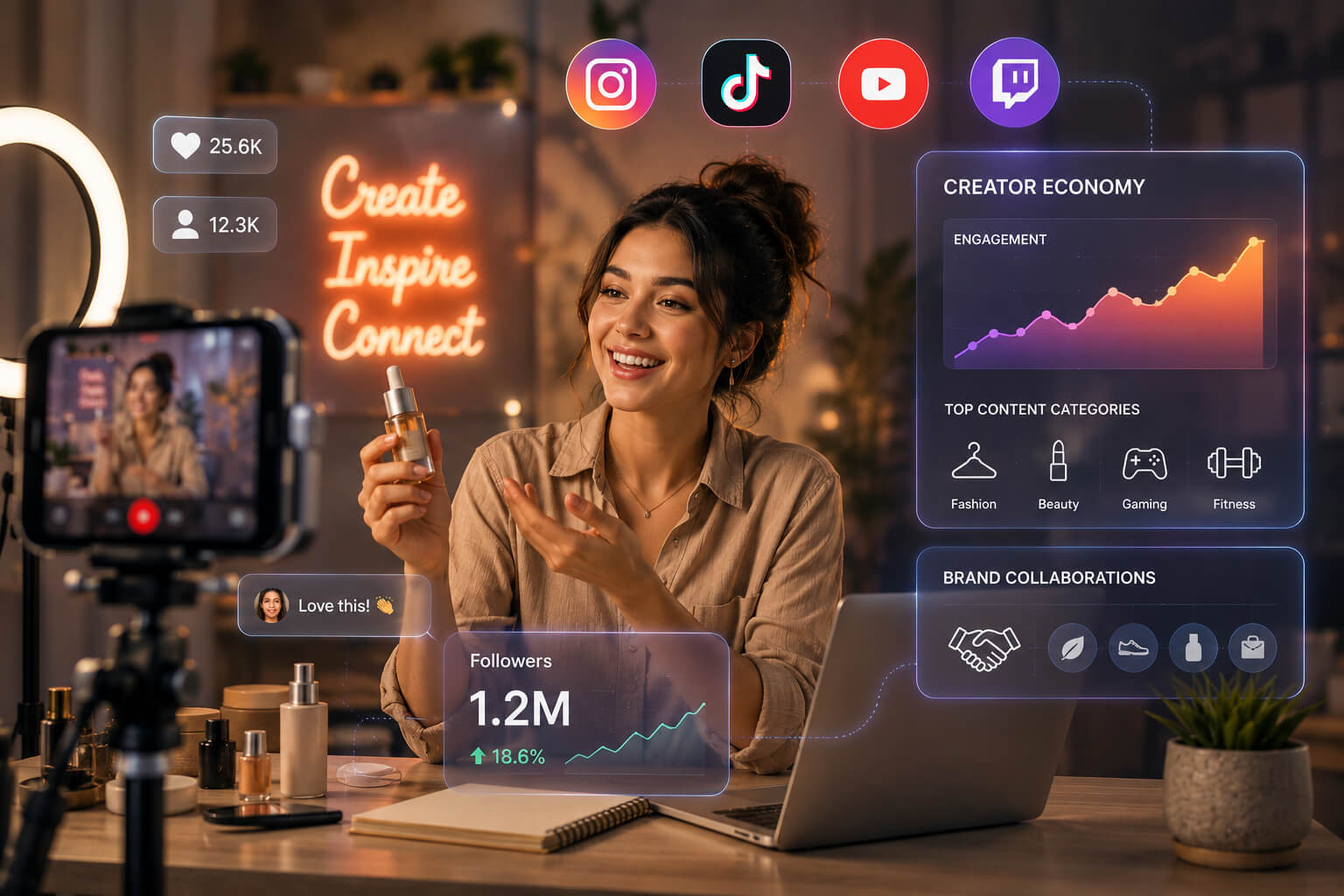
The creator economy is continuing to change modern marketing as brands move beyond short-term influencer campaigns and start treating creators as long-term growth partners.
As audiences fragment and consumers’ trust in traditional advertising declines, creators are increasingly driving how people discover, evaluate and interact with brands. The transition is transforming how marketing teams create campaigns, measure performance and nurture relationships with online communities.
In a June 2026 opinion piece for Hello Partner, San Sareen wrote that the critical question for marketing leaders has shifted from whether creator marketing warrants investment to how brands can develop sustainable creator strategies that deliver long-term value.
Creator Partnerships Evolve Past One-Off Campaigns
For years many brands have treated creator partnerships as campaign add-ons. Influencers were often brought in to drive product launches, seasonal promotions or short-term brand awareness.
This is changing.
Brands are moving away from one-off sponsored posts to long-term partnerships with creators. Rather than thinking of creators as ephemeral advertising channels, brands are starting to treat them as an extension of their broader storytelling, community-building and customer acquisition strategies.
That’s important because audiences can usually spot when a partnership is transactional. One sponsored post may get reach but multiple authentic creator endorsements can build familiarity, trust and stronger brand recall over time.
The creator economy is shifting from short-term exposure to long-term influence for today’s marketers.
Authenticity Is Still Key to Creator Influence
Authenticity is still one of the most important factors in creator marketing.
Creators build influence because their audiences trust their voice, opinions, and personal style. When brands over-control messaging or force creators to adhere to rigid scripts, campaigns can lose the natural tone that made the creator valuable in the first place.
The best creator partnerships are often collaborative. Brands can share campaign goals, product details and key messages, but creators need enough freedom to speak in a way that feels natural to their audience.
This shift requires marketers to rethink control. Instead of treating creators as if they were media placements, brands must consider them as creative partners who know their communities on a very basic level.
How the creator economy is changing the model for compensating creators
The creator economy is also changing the way creators get paid.
Flat fees are still common but many creators now have multiple streams of income including affiliate commissions, ambassador deals, subscriptions, product collaborations and revenue-sharing models.
This means that creators can be more selective about the brands they work with. While budget is still a factor, it’s no longer the only factor. Product quality, transparency, communication, brand values, and creative fit are becoming increasingly important.
For brands, this means that creator marketing success is more than just paying for exposure. It’s about building relationships that feel fair, strategic, and mutually beneficial.
Influencers Drive Consumers Before the Last Sale
Brands continue to evaluate influencer marketing through high-level metrics like impressions, views, likes and engagement levels.
While these metrics are helpful, they don’t always tell the full story of creator influence.
Creators often have a key role to play in the middle of the marketing funnel when consumers are researching, comparing and deciding whether or not to trust a brand. Tutorials, product reviews, podcasts, comparison videos and long-form social content can take audiences from basic awareness to serious consideration.
This is especially the case in crowded markets where customers have a lot of options and little brand loyalty. Creators can provide context, validation and social proof in ways traditional advertising often struggles to do.
Attribution Is Becoming a Bigger Challenge
One of the biggest challenges in creator economy marketing is measurement.
A consumer may see a creator recommendation weeks before making a purchase through a search engine, email campaign, paid ad, or retail website. In that case, last-click attribution may credit the final channel but miss the creator content that originally shaped demand.
That’s why marketers are shifting to connected measurement.
Brands seeking more clarity on creator performance are combining creator campaign data, platform analytics, affiliate tracking and first-party customer data. This can provide marketers insight into how creator activity contributes to customer acquisition, retention and lifetime value.
As digital advertising continues to evolve with privacy changes, creator-driven trust and first-party data strategies will likely be even more important.
Community building will shape the next era of marketing
Trust and community will drive the next phase of the creator economy.
Creators are valuable because they already operate within communities built around shared interests, identities, lifestyles, and expertise. These communities can’t be built on one-off campaign activity alone. They need consistency, collaboration and long term investment.
For brands, this means creator marketing should not be in a silo from broader growth strategies. Creator partnerships should be tied to acquisition, retention, brand storytelling and customer loyalty.
Scaling creator programs, however, creates new operational challenges. Brands will need to manage contracts, payments, compliance, content approvals, reporting and cross-platform measurement. As creator marketing becomes more critical to business growth, these systems will only grow in importance.
Implication for Brands and Influencers
The creator economy is no longer a side channel in marketing. It is becoming a core component of how brands build trust, influence consumer decisions, and attract long-term customer relationships.
Brands have the opportunity to move beyond short-term influencer campaigns and invest in authentic creator partnerships. The shift opens even more opportunities for influencers and creators to become strategic partners rather than simple promotional outlets.
The brands that will succeed are those that understand that creators are not just helping sell products. They’re helping determine how consumers find, evaluate and connect with brands from the outset of the customer journey.
As creator marketing matures, the next chapter of the creator economy will be defined by long-term trust, community, and measurable business impact.
