
The 2026 FIFA World Cup is shaping up to be more than the biggest football tournament in history. For brands, it may also become one of the most important creator marketing moments of the decade. In this article, we’ll explore some of the most relevant Creator Economy News for brands and creators looking to make an impact during this global event.
With the tournament expanding to 48 teams and taking place across Canada, Mexico, and the United States, the event will create a massive global stage for sports, entertainment, fashion, technology, food, travel, and lifestyle brands. But the brands that win attention during the World Cup may not be the ones with the biggest traditional ad buys. They may be the ones that know how to work with creators.
As fan attention continues shifting from traditional TV to platforms like YouTube, TikTok, Instagram, Twitch, and livestreaming apps, creators are becoming the new bridge between global sporting events and everyday audiences.
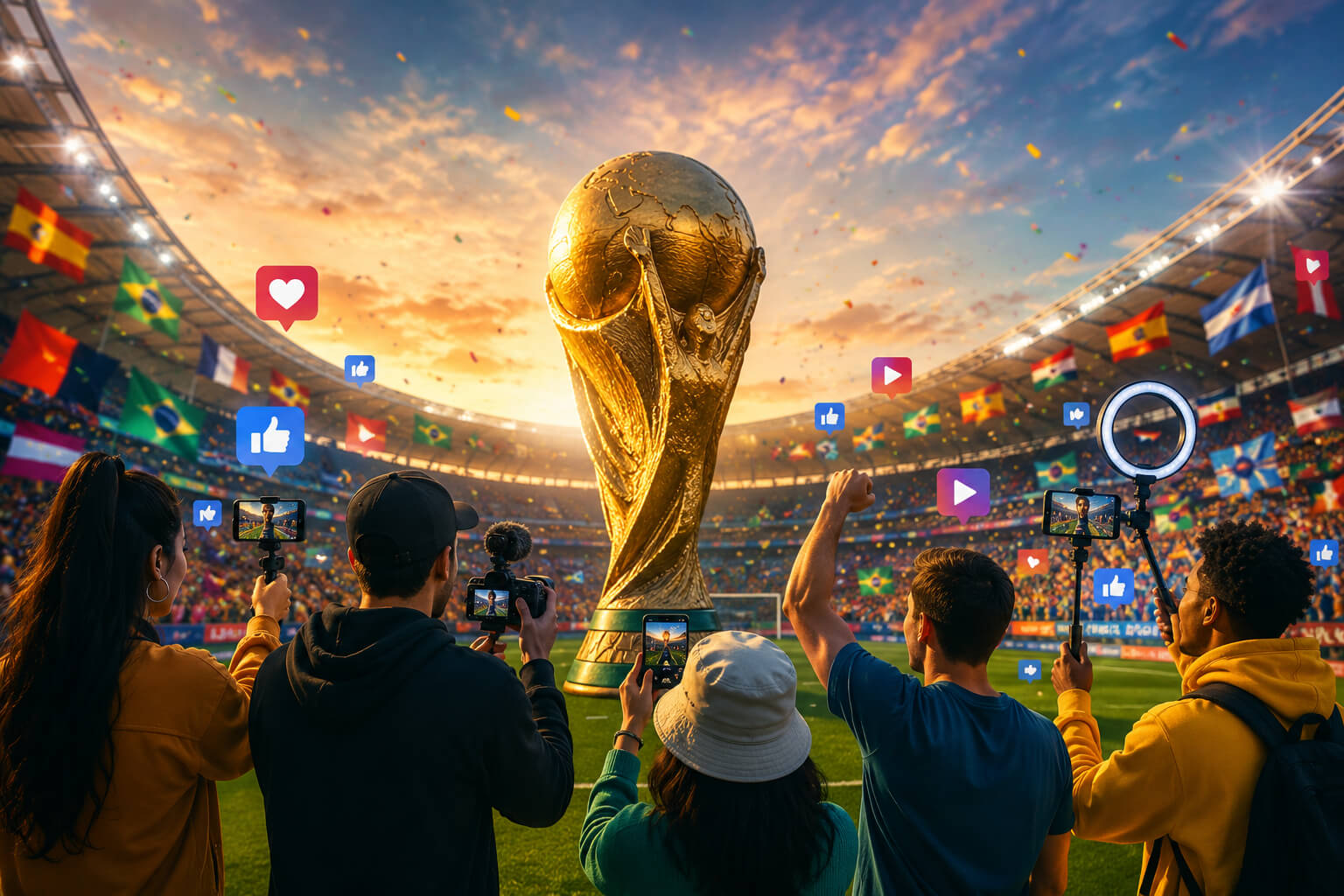
For marketers, the message is clear: the 2026 World Cup will not just be watched. It will be reacted to, remixed, streamed, clipped, memed, reviewed, and discussed in real time by creators.
Creators Are Becoming the New Sports Media
Sports fans no longer rely only on broadcasters and official commentators to understand major events. They eat up football analysis on YouTube, comedians on TikTok, streamers who watch the games live, lifestyle creators who attend fan events and influencers who take them behind the scenes.
This shift changes the way brands need to show up.
Historically, a World Cup marketing plan may have focused on TV commercials, athlete endorsements, outdoor ads and official sponsorships. Those channels still matter, but on their own, they’re not enough anymore.
Today’s fans want content that feels immediate, personal, and culturally relevant. Creators are especially powerful because they already have trusted relationships with specific communities. A football YouTuber can speak to tactical fans. A fashion creator can explain kit culture. A travel creator can showcase host cities. A food creator can highlight watch-party experiences. A comedy creator can turn match drama into viral entertainment.
That makes creators more than media partners. They are cultural translators.
Why Brands Need Creators for the 2026 World Cup
The 2026 World Cup will take place across multiple countries, time zones, languages, and fan communities. That creates a huge opportunity, but also a challenge: no single brand message will connect with everyone.
Creators help solve that problem because they know niche audiences better than most brands do.
A creator-led World Cup campaign can help brands:
- Reach younger fans who spend more time on social platforms than traditional TV
- Create local content for specific countries, cities, and communities
- Respond quickly to viral match moments and fan conversations
- Build trust through familiar creator voices
- Turn sponsorships into stories instead of simple ads
- Extend campaign life before, during, and after the tournament
This is especially important for brands that are not official World Cup sponsors. Without official sponsorship rights, brands need more creative ways to join the conversation. Creators give them a path into culture without relying only on logos, slogans, or paid media.
The World Cup Will Be Everywhere on TikTok, YouTube, and Livestreams
The 2026 World Cup will likely dominate social feeds long before the opening match. Fans will discuss team selections, kits, injuries, travel plans, match predictions, player drama, and brand campaigns months in advance.
During the tournament, every match will create waves of short-form content. Goals, upsets, referee decisions, celebrations, fan reactions, and emotional losses will become instant social media moments.
This is where creators have an advantage. They can move faster than brands. They can post in the language of the platform. They can respond with humor, emotion, analysis or personal experience in ways that seem natural to their audiences.
Brands are able to achieve this speed and cultural fluency through partnerships with creators.
Brands don’t have to wait days to roll out polished campaign assets, they can work with creators already in the conversation in real time.
Creator Partnerships Should Be Strategic, Not Transactional
Brands shouldn’t look at creators as if they’re distribution channels for the 2026 World Cup. A one-off sponsored post might get the views, but it won’t necessarily create lasting impact.
It is better to involve creators earlier in the campaign.
This means including them in everything from content planning, audience insights, and event activations to livestream formats and community engagement. Creators know what their audiences care about. They know platform humor, they know fan behavior, and they know the difference between content that feels authentic and content that feels forced.
Brands that want to win should ask creators questions such as:
- What World Cup topics will your audience care about most?
- What types of content perform best at live events?
- How can our brand add value without interfering with the fan experience?
- What local or cultural angle would make this campaign feel more relevant?
- How can we create content before, during, and after the tournament?
The best creator campaigns will not look like ads. They will look like entertainment, commentary, fan culture, education, and community participation.
Local Culture Will Matter More Than Global Messaging
Because the 2026 World Cup is hosted across North America, brands will need to think beyond one global campaign. The event will touch different cities, communities, and cultural identities.
A campaign that works in Los Angeles may not work the same way in Mexico City, Toronto, Miami, or New York. Football culture, creator culture, language, humor, music, food, and fashion all change depending on the audience.
That is why local creators will be valuable. They can help brands show up with cultural accuracy instead of generic messaging.
For example, a brand could partner with local creators to cover fan festivals, street food, city guides, watch parties, team communities, or neighborhood celebrations. This type of content can make a global brand feel more connected to real fans.
In 2026, the strongest campaigns may combine global scale with local creator storytelling.
What Brands Should Do Now
The brands that benefit most from the 2026 World Cup will not wait until the tournament begins. Test early, activate across multiple phases, develop partnerships with creators early.
Here’s what a strong World Cup creator marketing plan should look like:
Pre-tournament storytelling
Build excitement with predictions, team previews, kit reactions, travel content and fan stories.
Creator content in real time
Partner with creators who can quickly jump on fit moments, viral trends, and fan reactions.
Livestream & watch-party activations
Work with creators to build digital or in-person experiences that unite communities.
Local market campaigns
Engage with creators in host cities and core soccer communities
Content beyond the match and beyond the tournament
Keep the campaign going with recaps, emotional stories, analysis and cultural moments after the final whistle.
The Big Takeaway
The 2026 World Cup won’t just be a battle of national teams. It will be a battle for eyeballs.
Given the speed and personality of social media, traditional advertising is a difficult format to keep up with. But working with creators is an easy way for brands to get involved in conversations fans are already having.
Creators are trusted, quick, creative and culturally relevant. They know how to take big moments and make them into content people actually want to watch, share and talk about.
For brands the opportunity is huge. The 2026 World Cup will be one of the biggest stages in global sports. But to win the marketing game, brands need more than visibility.
They need creators.
