
Creators are no longer being brought into campaigns near the end, handed a product and asked to post something that feels vaguely authentic.
That model is starting to look old.
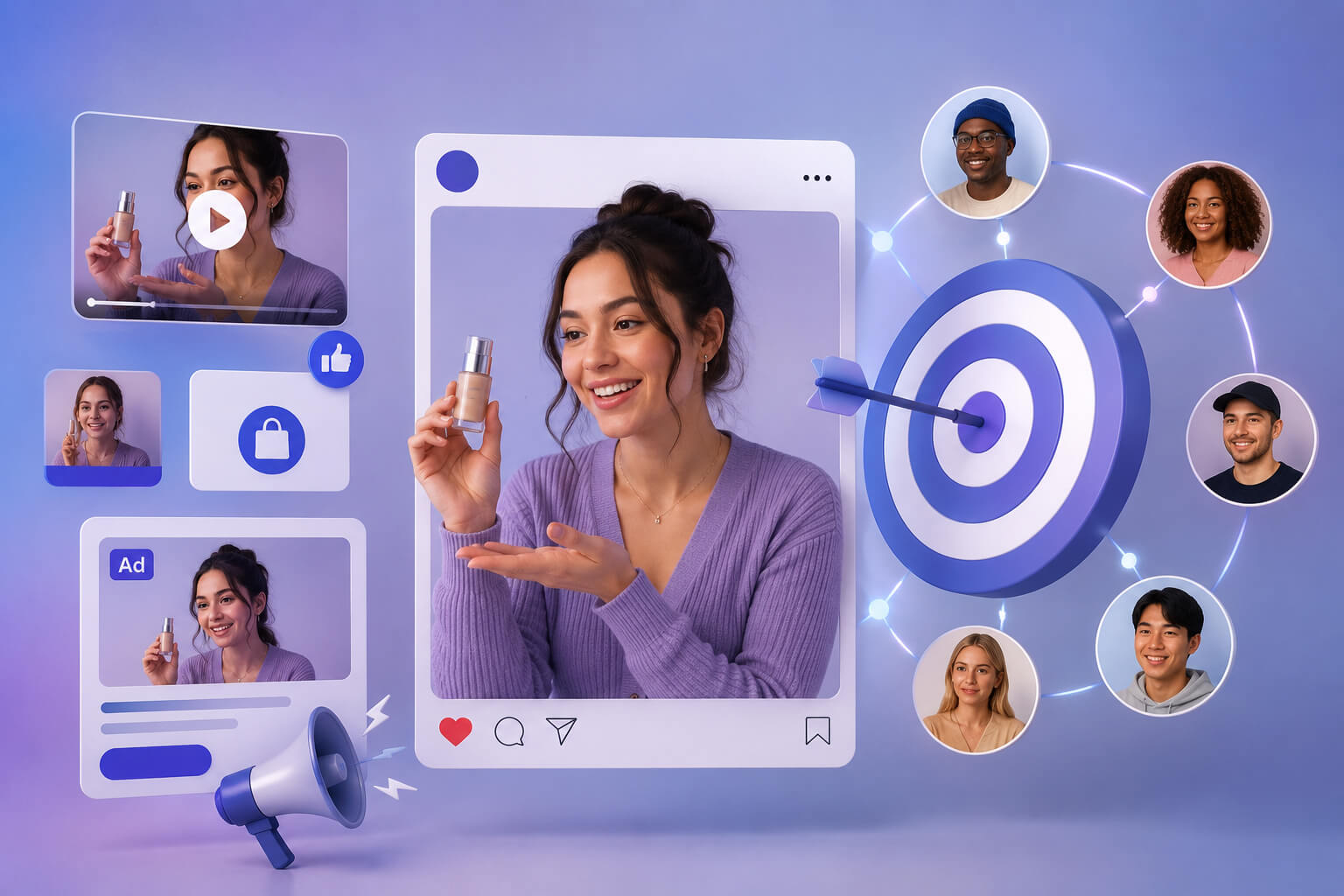
Brands and agencies are increasingly treating creators as a media channel of their own. Creator content now appears inside paid social campaigns, product launches, digital storytelling, commerce strategies and broader advertising plans.
The shift is not really about spending more money on influencers. It is about changing where creators sit in the campaign.
Instead of supporting the media strategy, they are becoming part of the strategy itself.
Creator Marketing Is Moving Beyond One-Off Posts
Influencer marketing once operated as a fairly separate corner of advertising. A brand selected a creator, agreed on a few deliverables and waited for the posts to go live.
The relationship often ended shortly afterward.
That approach still exists, but the stronger campaigns now look different. Brands are building reusable creator content, securing paid media rights and distributing the work across several platforms.
Experts interviewed by Little Black Book argued that creator partnerships have moved from optional social content into a central part of paid media planning. The most successful brands treat creator content as a scalable system that can support awareness, engagement and sales rather than as a single sponsored post.
This changes the role of the creator as well. A good creator does not simply offer reach. They understand how their audience speaks, what makes people stop scrolling and which formats feel natural on a specific platform.
That instinct can be difficult for a traditional brand campaign to copy.
Creators Can Translate Brand Messages for Real Audiences
Brands tend to communicate like brands. That is often the problem.
The language becomes polished, approved and technically correct, but it may not sound like anything a real person would say.
Creators work as translators between the company and the audience. They take a campaign idea and reshape it into something that fits the culture of TikTok, YouTube, Instagram or whichever community they have built.
This is why creator involvement now extends beyond organic posts. Creators are increasingly contributing to campaign development, paid advertising, content series, social storytelling and cross-channel production.
The best collaborations do not erase the creator’s personality in the process. Brands provide the direction, necessary boundaries and factual information. The creator keeps the voice.
Too much scripting usually produces the exact thing brands hoped to avoid: an advertisement pretending not to be an advertisement.
Paid Media Teams Need to Join the Conversation Earlier
Creator marketing becomes complicated once a brand plans to place advertising spend behind the content.
Suddenly, the campaign involves contracts, content usage rights, platform permissions, brand safety, distribution, performance measurement and conversion tracking.
Those details cannot be added casually after the creator has already filmed the content.
Media teams need to decide early how the content will be funded, where it will run and how long the brand can use it. Creative teams need to understand the platform format. Legal teams need clear agreements. The creator needs to know whether the work will appear only on their account or across a much larger advertising campaign.
This is one reason creator programs can no longer sit in a small experimental budget controlled by a separate influencer team. They require the same planning discipline as other media channels.
Platforms are also building more infrastructure around these partnerships. YouTube, for example, has introduced a Creator Partnerships Hub within Google Ads to help advertisers and agencies discover and connect with creators. It is also developing more flexible sponsorship tools and clearer performance data for brand collaborations.
The platform says it paid more than $100 billion to creators, artists and media companies during the four years leading up to 2025. That figure makes the scale of the creator economy difficult to dismiss as a side activity.
Creator Content Gives Paid Campaigns Something Traditional Ads Often Lack
A highly produced commercial may look better. That does not automatically make it more persuasive.
Creator content often performs because it arrives in a familiar voice and format. It looks closer to the surrounding content, yet it carries the credibility of someone the audience already knows.
That credibility matters even more as feeds fill with polished corporate material and AI-generated content.
People are becoming better at detecting messaging that feels manufactured. A creator talking naturally from a bedroom, kitchen or car may earn more attention than a campaign that took months to produce.
Not because production quality no longer matters. It does.
The difference is that audiences often value relevance, personality and trust before visual perfection.
This does not mean every low-budget creator video will outperform a traditional advertisement. Weak content remains weak content. Paid spending will not rescue an idea that never connected with the audience in the first place.
Organic Performance Can Help Brands Decide What to Amplify
Creator channels give brands a useful testing environment.
A creator can publish several versions of an idea, see which one attracts real conversation and then place paid media behind the content that already shows signs of working.
That approach is much more practical than producing one expensive campaign and running it for months because too much money has already been spent to change direction.
Comments can also reveal more than a basic performance dashboard. They show why people liked the content, what they misunderstood, which details caught their attention and whether the message felt believable.
Views still matter, but they do not tell the whole story.
Smart creator campaigns treat each piece of content almost like a hypothesis. The brand tests the format, message, hook or creator pairing, studies the audience response and adjusts quickly.
Paid media then amplifies proven creative instead of forcing reach behind content that has shown no natural appeal.
Long-Term Creator Partnerships Can Build More Value
One-off creator deals are easier to arrange, but they rarely give the partnership much time to develop.
The creator has to learn the product. The audience has to understand why the collaboration makes sense. The brand has to work out how much creative freedom it can comfortably allow.
By the time everyone figures that out, the campaign may already be over.
Longer partnerships create room for repetition without starting from zero each time. The creator becomes more familiar with the brand, while the audience becomes less surprised by the relationship.
The strongest collaborations may eventually move beyond sponsored content. Creators can help develop products, shape campaign ideas, provide feedback from their communities or build recurring entertainment formats around brand assets.
That requires brands to stop thinking only about what a creator can post.
A more useful question may be what the creator and the brand can build together.
Creators Are Starting to Operate More Like Media Businesses
Many creators are no longer working as individual personalities waiting for sponsorship offers.
They have production teams, editors, managers, merchandise, recurring formats, audience data and several revenue streams. Some operate more like small entertainment companies than traditional influencers.
Brands need to recognise that change.
The creator brings more than access to followers. They bring intellectual property, distribution, production capability and direct knowledge of a specific audience.
That does not mean creators should control every part of the relationship. Brands still need safeguards, measurable objectives and clear commercial terms.
But treating creators as disposable talent will become harder as their businesses grow more sophisticated.
Paid Media Will Amplify Creator Influence, Not Create It
There is plenty of excitement around creator-led advertising, but the basic rule has not changed.
Media spending can expand attention. It cannot manufacture trust from nothing.
Brands still need the right creator, the right message and a genuine reason for the collaboration to exist. Audience size alone is not enough. A smaller creator with a tightly connected community may deliver more useful results than a celebrity account with broad but shallow reach.
The creative idea matters too. If the content feels forced, paid amplification simply helps more people notice that it feels forced.
Creator strategy needs to begin with cultural understanding and audience fit. Media investment should come afterward, pushing strong content further rather than trying to compensate for weak creative decisions.
Creator Content Is Becoming Advertising Infrastructure
The important change is not that brands are using more creators. They have been doing that for years. What has changed is the structure around the work.
Creators are now being included in media planning, production, measurement and commerce. Platforms are releasing formal partnership tools. Agencies are developing systems for rights management and paid amplification. Brands are looking at creator content as something they can test, reuse and scale.
Influencer marketing is not disappearing. It is being absorbed into something larger. For brands, creators are becoming part storyteller, part production partner, part distribution network and part media channel. The sponsored post is still there. It just may no longer be the main event.
Sources
- Little Black Book: Creators Are the New Media Channel of Choice
- YouTube Blog: New Ways for Creators to Earn More With Brand Partnerships
- YouTube Blog: The Next 20: Powering the Future of Entertainment Together
- YouTube Blog: YouTube CEO Neal Mohan’s 2026 Letter
