

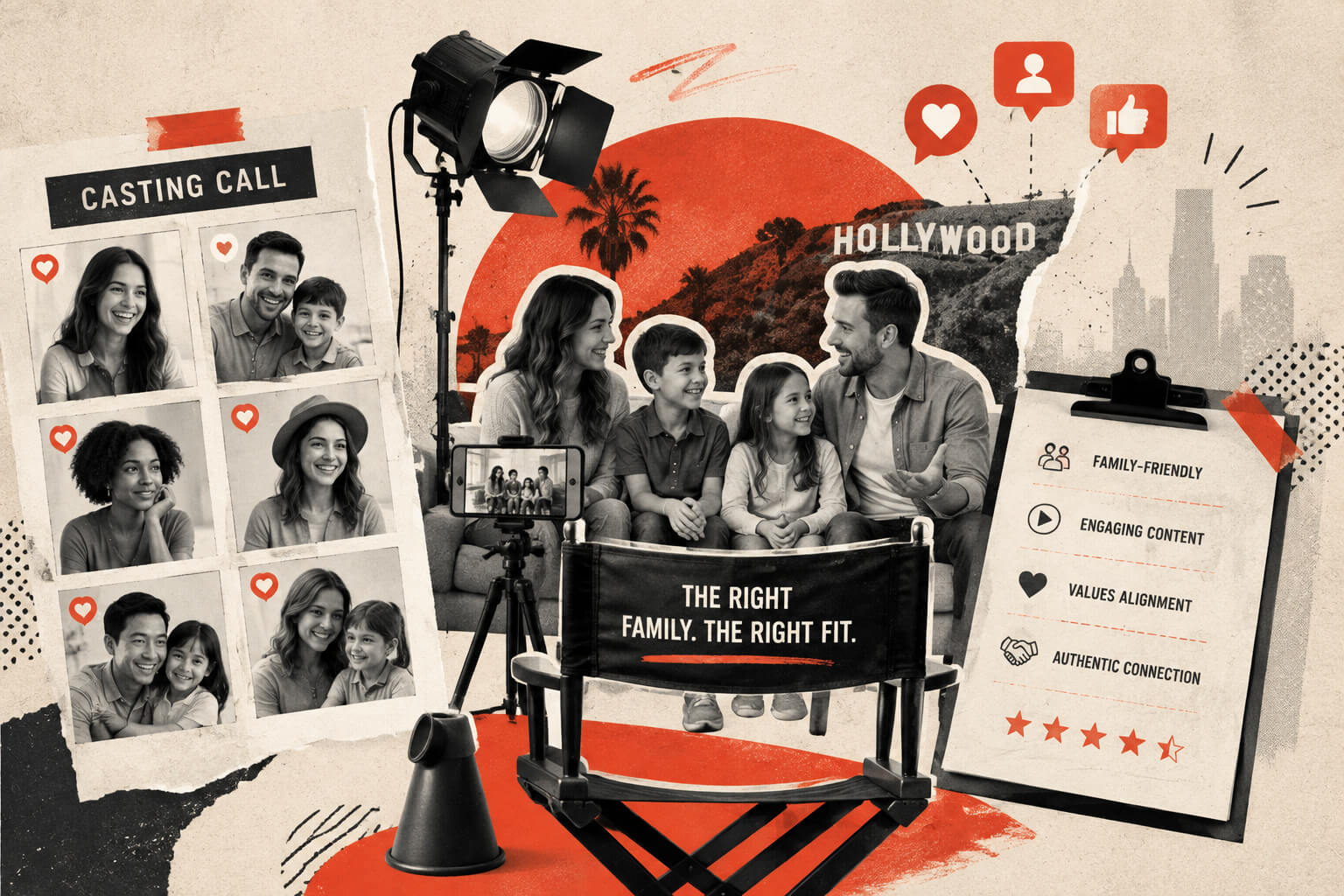
Finding creators for a brand campaign can feel like a numbers game. Search a database. Filter by followers. Check engagement. Send outreach and hope the partnership works. The process is evolving thanks to CreatorCaster influencer marketing, which offers new ways to connect brands and creators more effectively.
CreatorCaster is trying something different.
The company has borrowed an idea from Hollywood. Creators “audition” for campaigns, while brands choose from a curated shortlist. Human judgment remains at the center of the process.
Founder and CEO Deborah Stallings Stumm launched CreatorCaster in San Diego in March 2026. The platform focuses mainly on family, toy, lifestyle, pet, and home brands. It works with nano, micro, and mid-tier creators.
CreatorCaster Treats Influencer Campaigns Like Casting Calls
The process starts before creators are contacted. CreatorCaster first works with the brand to understand what the campaign needs. That includes the audience, content style, product category, and campaign goal. The company then sends targeted casting calls to creators who could fit the brief. Interested creators submit an audition form and examples of previous work. CreatorCaster reviews those applications and creates a shortlist. The brand makes the final selection.
Creators Apply Instead of Being Assigned to Campaigns
CreatorCaster’s model is deliberately opt-in. Creators aren’t automatically placed into campaigns because their profile matches a database filter. They decide whether they want to audition. Campaign expectations are also explained before they commit. That includes creative requirements and compensation. For licensed properties, another approval layer can exist. Net Influencer reports that a current Bluey-related campaign allows the rights holder to approve participating creators.
Human Judgment Still Sits at the Center
AI isn’t absent from CreatorCaster’s operation. Stumm uses it for spreadsheets, workflow tools, data management, and other internal tasks. She draws a line at creator selection, though. Creator fit is still evaluated by people. Stumm says she knows and has worked with creators on the platform. That approach differs from platforms investing heavily in automated creator discovery. For CreatorCaster, the human layer is part of the product rather than something it wants to automate away.
Smaller Family Brands Often Need More Than Software
CreatorCaster grew partly from a problem Stumm noticed while building campaign management software. Larger toy companies often had employees dedicated to creator marketing. Smaller brands didn’t always have that luxury. Some lacked the staff or experience to manage campaigns themselves. Giving those companies another dashboard wasn’t necessarily solving the problem. CreatorCaster responded with a more hands-on service. Its software works behind the scenes for reporting, tracking, and operations. People handle much of the client-facing work.
Follower Count Isn’t Enough to Win an Audition
A huge audience doesn’t guarantee a place on CreatorCaster’s roster. Stumm told Net Influencer she has rejected creators with hundreds of thousands of followers. Their content simply wasn’t right for what the campaign needed. CreatorCaster instead looks at whether the content feels believable and relatable. That’s particularly important for family products. A parent watching the content should be able to imagine the product in their own home. A polished unboxing alone may not create that connection.
Reliability Matters Almost as Much as Content
Creator marketing doesn’t end when someone makes a good video. Deadlines still matter. CreatorCaster pays close attention to whether creators deliver their work as promised. Stumm rewards creators who consistently meet deadlines with more opportunities. Those requiring repeated follow-ups can be removed from the roster. It’s a simple standard, but an important one. Brands need content on schedule, especially when campaigns are tied to launches or seasonal sales.
Nano and Micro Creators Can Beat Bigger Accounts
Follower count remains one of the biggest distractions for brands entering influencer marketing. Smaller companies often assume the creator with the largest audience is automatically the best choice. Stumm pushes back on that idea. She points brands toward the difference between reach and engagement. CreatorCaster’s preferred range stretches from nano creators through mid-tier accounts. Stumm says creators with roughly 10,000 to 200,000 followers can sometimes deliver stronger results for family and lifestyle products.
Brands Still Need Help Understanding Creator Marketing
Some brands know they should work with creators but haven’t decided what they actually want. That creates problems before a campaign starts. A company might need social reach, reusable content, product awareness, or direct sales. Those aren’t the same objective. Questions about usage rights and paid advertising also come up. Platform choice matters too because different audiences behave differently across social networks. CreatorCaster uses its consultation process to sort through those decisions before creators are selected.
CreatorCaster Wants Longer-Term Brand Relationships
The Hollywood theme isn’t just decoration. CreatorCaster describes its campaigns as productions and its creator network as talent. More importantly, the company wants those partnerships to continue beyond one post. Its website says casting calls are designed with longer-term talent relationships in mind. That could help brands build familiarity with creators who already understand their products. Creators also get another benefit. A successful campaign can become an audition for the next one.
Family Creators Can Move Across Different Product Categories
A family creator doesn’t have to stay locked inside one niche. Someone known for toy content might also own a dog. That creator could make sense for a pet campaign. A parenting creator could naturally move into home, wellness, food, or beauty products. Stumm calls this cross-pollination. It gives brands access to audiences they may not find through rigid category searches. CreatorCaster is leaning further into that idea as it expands beyond toys.
CreatorCaster Is Expanding Beyond Toys
Family products remain central to the business, but the category is getting wider. CreatorCaster is developing work across pets, home goods, wellness, and beauty. Stumm also attended SUPERZOO in August to build relationships in the pet industry. Current work includes a Bluey-related campaign and an upcoming potty-training product launch. Scooter brand work is also in development. The expansion keeps CreatorCaster close to household purchasing while giving its roster more campaign options.
Influencer Marketing Is Starting to Look More Like Talent Casting
CreatorCaster’s model highlights a wider issue inside creator marketing. Technology can make creator discovery incredibly fast. Speed doesn’t automatically produce the right partnership.
Family campaigns can be especially sensitive to that mismatch. The creator has to feel believable using the product. Their audience needs to fit. Their content style has to work for the brand. They also need to deliver when promised.
CreatorCaster is betting that those details are difficult to reduce to an algorithm.
The result looks less like searching an influencer database and more like casting a production. Creators audition. Brands choose. Performance and reliability determine who gets called back.
For smaller brands overwhelmed by creator platforms, that human layer could be the real selling point.
Sources
- Net Influencer — How CreatorCaster Is Bringing a Hollywood Casting-Call Model to Family Brand Influencer Campaigns
https://www.netinfluencer.com/how-creatorcaster-is-bringing-a-hollywood-casting-call-model-to-family-brand-influencer-campaigns/ - CreatorCaster — Official Website
https://creatorcaster.com/
