

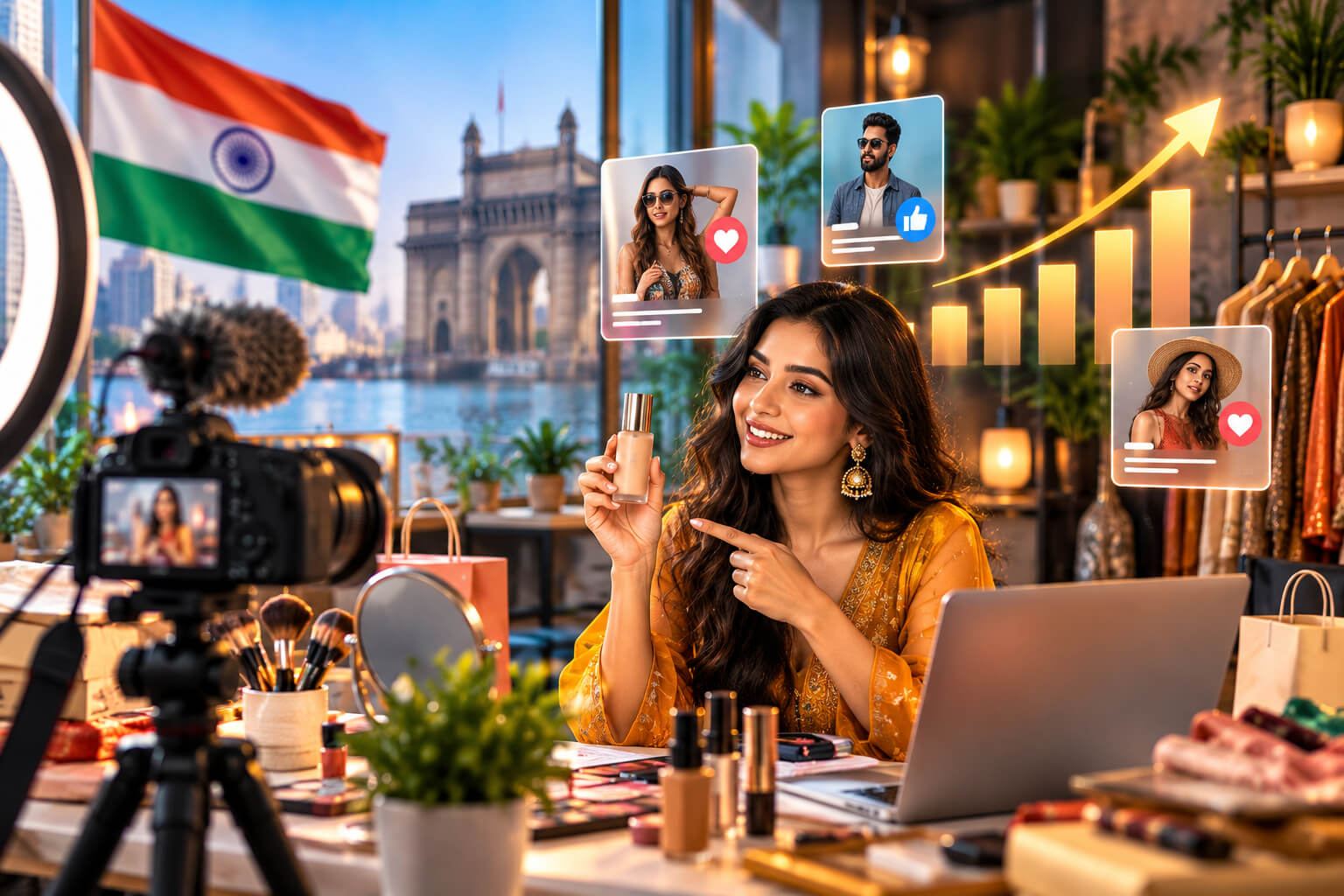
India’s creator economy is claiming a larger share of advertising spending. Brands are directing between 15% and 25% of their marketing budgets toward creator-led initiatives, according to a new report from the Indian Influencer Governing Council (IIGC).
Released on October 14, 2026, the IIGC Industry Discussion Report gathered insights from more than 100 brands and marketers. The findings suggest that companies increasingly see creators as business partners rather than personalities hired to promote products.
That shift goes beyond spending. Brands want creators to build trust, influence purchasing decisions and contribute to measurable business growth.
One-off sponsored posts are no longer the only option. Longer relationships, stronger performance measurement and closer involvement in marketing strategy are becoming more important.
Indian Brands Allocate More Marketing Spending to the Creator Economy
The IIGC report identifies a significant change in how Indian companies distribute their marketing investments. According to the findings, 15–25% of brand marketing budgets are moving toward the creator economy, reflecting growing confidence in creator-led campaigns.
The figure comes from discussions involving more than 100 brands and marketers. It should not be interpreted as a universal spending percentage for every business in India.
Traditionally, influencer marketing often occupied a smaller portion of advertising budgets. Companies would work with creators during product launches, promotional events or seasonal campaigns, then move on to other marketing activities.
That approach is changing as businesses recognize the potential of creators to maintain regular contact with consumers.
Instead of treating influencer collaborations as occasional promotions, more brands are integrating creators into their wider marketing plans.
The growing investment also brings higher expectations. Marketers want to understand how creator campaigns contribute to customer acquisition, product interest and sales.
Creators Move Beyond Sponsored Posts to Become Strategic Brand Partners
The report highlights how creators are taking on broader responsibilities within brand marketing.
Businesses increasingly involve influencers in product launches, market expansion, customer acquisition and e-commerce growth. These activities require more than simply publishing promotional content.
A creator who regularly discusses technology, for example, may help audiences understand a new product before deciding whether to purchase it. Someone focused on beauty or personal care might introduce a brand through demonstrations and ongoing product discussions.
These relationships can make marketing messages more relevant to specific communities.
For brands, the appeal comes from the connection creators have already developed with their followers.
However, the IIGC findings suggest that follower counts alone are becoming less important when evaluating potential partnerships.
Companies increasingly want creators who understand their audiences and can contribute to clear business objectives.
That means creators may need to demonstrate how their content influences consumer behaviour rather than relying entirely on popularity.
Long-Term Creator Partnerships Replace One-Off Influencer Campaigns
Another major finding is the growing preference for sustained relationships between brands and creators.
Influencer marketing has traditionally relied on short-term collaborations. A company might pay for one sponsored video, a product review or a series of promotional posts tied to a specific campaign.
Once the campaign ended, the relationship often ended with it.
The IIGC report suggests that brands are increasingly moving toward longer partnerships that allow creators to develop a deeper understanding of the products and companies they represent.
Repeated collaborations can also help audiences become more familiar with a brand.
A creator who consistently works with the same business may be able to explain products in greater detail and provide more meaningful updates over time.
For marketers, long-term partnerships create opportunities to assess how repeated exposure influences awareness, trust and purchasing decisions.
These arrangements still require careful planning. Brands need to choose creators whose audiences align with their products, while creators must maintain credibility when publishing sponsored content.
The growing preference for sustained collaborations reflects a broader effort to make influencer marketing more consistent and accountable.
IIGC Chairman Sahil Chopra Emphasizes Measurable Business Results
Sahil Chopra, Chairman of the Indian Influencer Governing Council, believes creator marketing is entering a period where business outcomes matter more than traditional popularity metrics.
Commenting on the report, Chopra emphasized that creators can help businesses address practical challenges, including building consumer trust, encouraging product trials and supporting growth.
His remarks reflect the changing expectations surrounding influencer partnerships.
For years, marketers frequently evaluated campaigns through impressions, follower counts, likes and comments. Those figures remain useful, but they do not always explain whether a campaign influenced purchasing decisions.
A creator might generate thousands of interactions without producing meaningful business results.
Brands now want to understand what happens after audiences encounter promotional content.
Did people visit the company’s website? Did they consider buying the product? Did the campaign help attract new customers?
These questions are becoming more important as businesses commit larger portions of their marketing budgets to creators.
The IIGC findings suggest that measurable impact will play a central role in how future partnerships are planned and evaluated.
Creator Marketing Becomes More Connected to E-Commerce and Performance Advertising
The report also identifies a growing connection between creator marketing, performance advertising, consumer insights and online commerce.
Businesses are exploring how creator-generated content can support different stages of the purchasing process.
A short video might introduce a product to new customers, while a detailed demonstration could help interested viewers understand its benefits.
Follow-up content may answer questions or address concerns before someone makes a purchase.
For e-commerce brands, this creates opportunities to connect creator activity with measurable shopping behaviour.
Advances in marketing technology are making it easier to analyze campaign interactions, compare creators and understand audience interests.
However, measuring the full impact of creator marketing remains difficult.
Consumers often encounter several advertisements, recommendations and product reviews before buying something. A single purchase may result from multiple interactions rather than one creator’s content.
That makes accurate attribution important, particularly when businesses want to compare creator partnerships with other advertising channels.
The growing focus on performance suggests that influencer marketing is becoming more closely connected to broader commercial objectives.
Consumer Trust Remains Central to Successful Influencer Partnerships
Trust is one of the strongest themes running through the IIGC report.
Creators often build relationships with followers through regular content, personal experiences and direct communication.
Those relationships can make recommendations feel more familiar than conventional advertising.
Brands recognize this advantage, especially when trying to introduce products to audiences that may not respond to traditional promotional messages.
However, trust can weaken when creators repeatedly promote unrelated products or make claims that audiences find misleading.
A large following does not automatically make someone an effective brand partner.
Companies need to consider whether a creator’s content, audience and personal reputation align with their marketing objectives.
Transparency also matters.
Clear sponsorship disclosures and accurate product information help audiences understand when they are viewing paid promotional content.
As creator marketing attracts larger investments, responsible advertising practices will become increasingly important for protecting credibility.
India’s Influencer Marketing Industry Faces Pressure to Professionalize
Growing investment in the creator economy is also increasing expectations around professional standards.
Brands want clearer agreements, reliable campaign delivery and meaningful performance reports. Creators need transparent payment arrangements and a better understanding of their responsibilities.
Issues such as content ownership, advertising disclosures and usage rights become particularly important when businesses plan long-term collaborations.
A brand may want to reuse creator content across social media advertisements, websites and promotional campaigns.
Without clear agreements, those arrangements can create disagreements over compensation and intellectual property.
The IIGC has emphasized the importance of transparency, accountability and responsible practices across the industry.
Its Code of Standards for Influencers addresses areas including sponsorship disclosure, misleading promotions, fair practices and consumer protection.
The latest report reinforces the need for stronger professional relationships as creator marketing becomes a more established part of brand strategy.
What Rising Creator Marketing Budgets Mean for Influencers and Agencies
The reported movement of marketing spending toward creators could create opportunities for influencers across different content categories and audience sizes.
Brands may increasingly look for creators who can reach specific communities, explain products clearly and maintain strong audience relationships.
This could benefit specialist creators who focus on subjects such as technology, finance, travel, education or personal care.
For agencies, the changing market may require a more strategic approach to identifying and managing talent.
Instead of concentrating only on influencer reach, agencies may need to evaluate audience relevance, content quality and potential business outcomes.
Long-term creator programs could also require more detailed planning, including content schedules, performance reviews and campaign adjustments.
These changes may make creator management more complex, but they could also create stronger commercial relationships.
Creators who understand their audiences and consistently produce relevant content may find themselves better positioned for sustained partnerships.
Creator Economy Growth Changes How Indian Brands Approach Marketing
The IIGC report suggests that India’s creator economy is becoming a more important part of brand marketing strategy.
With 15–25% of marketing budgets reportedly moving toward creator-led initiatives, companies are reconsidering how influencers contribute to business growth.
The shift is not simply about increasing the number of sponsored posts.
Brands want deeper relationships, stronger audience trust and clearer evidence that creator campaigns support commercial objectives.
Long-term partnerships are gaining attention, while performance measurement and professional standards are becoming harder to ignore.
The report reflects insights from more than 100 participating brands and marketers rather than a comprehensive measurement of every Indian company’s advertising spending.
Even so, the findings highlight an important change in how the industry views creators.
Influencer marketing is moving beyond occasional endorsements and becoming more closely connected to business strategy.
For creators, that means opportunities to develop lasting commercial relationships. For brands, it means treating creator partnerships as investments that require planning, accountability and measurable results.
Sources
- Storyboard18 – 15–25% of Brand Marketing Budgets Moving Towards Creator Economy: IIGC
- AdTech Today – 15–25% of Brand Marketing Budgets Are Moving Towards the Creator Economy: IIGC Industry Discussion Report
- MediaNews4U – 15–25% of Brand Marketing Budgets Are Moving Towards Creator Economy: IIGC Report
- Indian Influencer Governing Council – IIGC News and Industry Reports
- IIGC – Code of Standards for Influencers
