

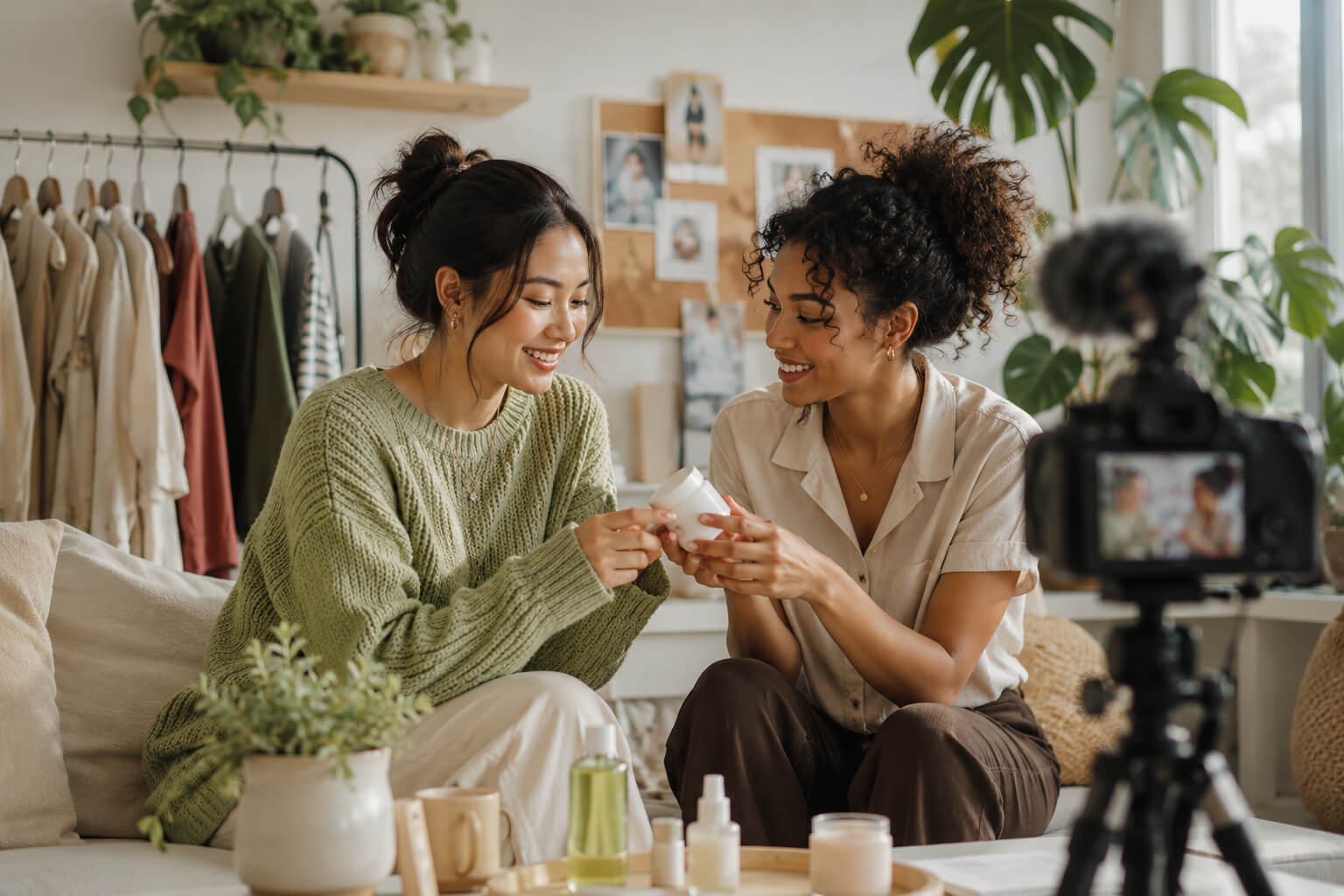
The times when brands used influencer marketing merely for posting a sponsor message have passed. Now, businesses opt for long-term partnerships with creators to leverage their influence and establish a meaningful relationship with potential customers.
We call this trend Creator Partnerships 2.0. According to Business News This Week, Creator Partnerships 2.0 is about long-lasting collaboration based on trust and mutual respect and not on the number of fans.
The Future of Influencer Marketing Explained: What Is Creator Partnerships 2.0?
When we mention Creator Partnerships 2.0, we mean a new approach to working with influencers that focuses on establishing sustainable relations between brands and creators.
Previously, influencer marketing campaigns lasted only a few hours. A brand hired a person to post an ad and get paid. At that point, the collaboration was considered complete.
In contrast, today some brands opt for working with creators for several months or even years at a time. This enables the creator to introduce a particular product or service to their audience through regular posts.
For audiences, such an approach looks more credible. After all, people trust recommendations coming from those whom they trust.
Why Brand Opt for Sustainable Creator Relationships?
Today, the competition in the creator economy has become fierce and the audience is well aware of advertising. So, viewers are capable of distinguishing promotional messages from content that is truly informative and entertaining.
This makes brands pay more attention to sustainable influencer relationships.
Benefits that brands obtain by working with influencers over the extended period include:
- Audience trust: Repeated content created by a recognizable creator builds up trust towards a product or service.
- Better storytelling: Creators can explain how a product or service is used in daily life.
- Brand recall: Consistently mentioning a brand in multiple pieces of content increases its awareness.
- More authentic content: Creators can share thoughts without sticking to an advertising script.
- Better performance monitoring: Engagement metrics, conversions, and sales can be analyzed over a longer period.
Creators Move Beyond Promotion
Creator Partnerships 2.0 also changed the position of creators in influencer marketing.
Nowadays, creators are not mere content makers; rather, they participate in the development of marketing strategies, creation of content, selection of ideas, product improvement, and many other aspects of the campaigns.
This means that creators get more power and influence in communication between companies and audiences. As a result, content becomes more relevant and appealing for audiences.
For instance, rather than dictating specific phrases to creators, brands leave room for creativity. In other words, the content produced looks more authentic.
Influencer Marketing Has Moved into a New Age: Authenticity Is Everything
Now, more than ever before, brands have started paying attention to the topic of authenticity. Audiences are interested not only in purchasing products but also in following creators they trust.
Casual content, honest reviews, behind-the-scenes shots, and other kinds of non-promotional videos appeal to audiences much better than any perfect promotional ad.
Therefore, the success of modern influencers is also determined by their compatibility with the target audience.
Sometimes, a small creator who attracts a loyal audience proves to be more effective than a large influencer with millions of subscribers. The secret here is to maintain an appropriate balance between the creator and the audience.
Always-On Influencer Campaigns Have Arrived
In addition to Creator Partnerships 2.0, another interesting phenomenon worth noting is always-on campaigns. Instead of conducting short campaigns that run a few hours or days, brands maintain permanent contact with audiences through their favorite creators.
These always-on partnerships include various types of content like product mentions, reviews, tutorials, product integration, streaming, affiliate content, and social media updates.
By using this approach, brands can stay top-of-mind among customers. Moreover, always-on campaigns enable creators to educate audiences about the product gradually.
Influencer Marketing Gets Data-Driven
While the concept of authenticity became crucial, modern creator marketing campaigns remain highly data-driven.
Through analytics, brands find suitable creators, analyze audience engagement, monitor performance metrics, and evaluate customers’ responses. Thus, creator marketing is now characterized by high performance.
Successful creator marketing includes two key components – human touch and measurable results.
Creator Partnerships 2.0: Implications for Influencers
For influencers, the new situation opens many possibilities.
First of all, long-term creator relationships may lead to increased earnings, stronger ties with brands, and more creative freedom. Rather than pursuing short-term sponsorships, influencers should try to build partnerships that involve collaboration on a wide range of topics and projects.
At the same time, influencers should avoid partnering with too many brands because audiences may lose trust in such influencers.
What Creator Partnerships 2.0 Mean for Brands
It is clear that successful brands focus more on building connections with creators than reaching their audience through them. To achieve this goal, companies should carefully choose influencers, let them work freely, and focus on storytelling.
The most successful influencer campaigns in 2026 will undoubtedly be those that look less like a commercial ad.
Final Thoughts
From what you have learned above, it becomes clear that Creator Partnerships 2.0 will be defining for the future of influencer marketing.
