

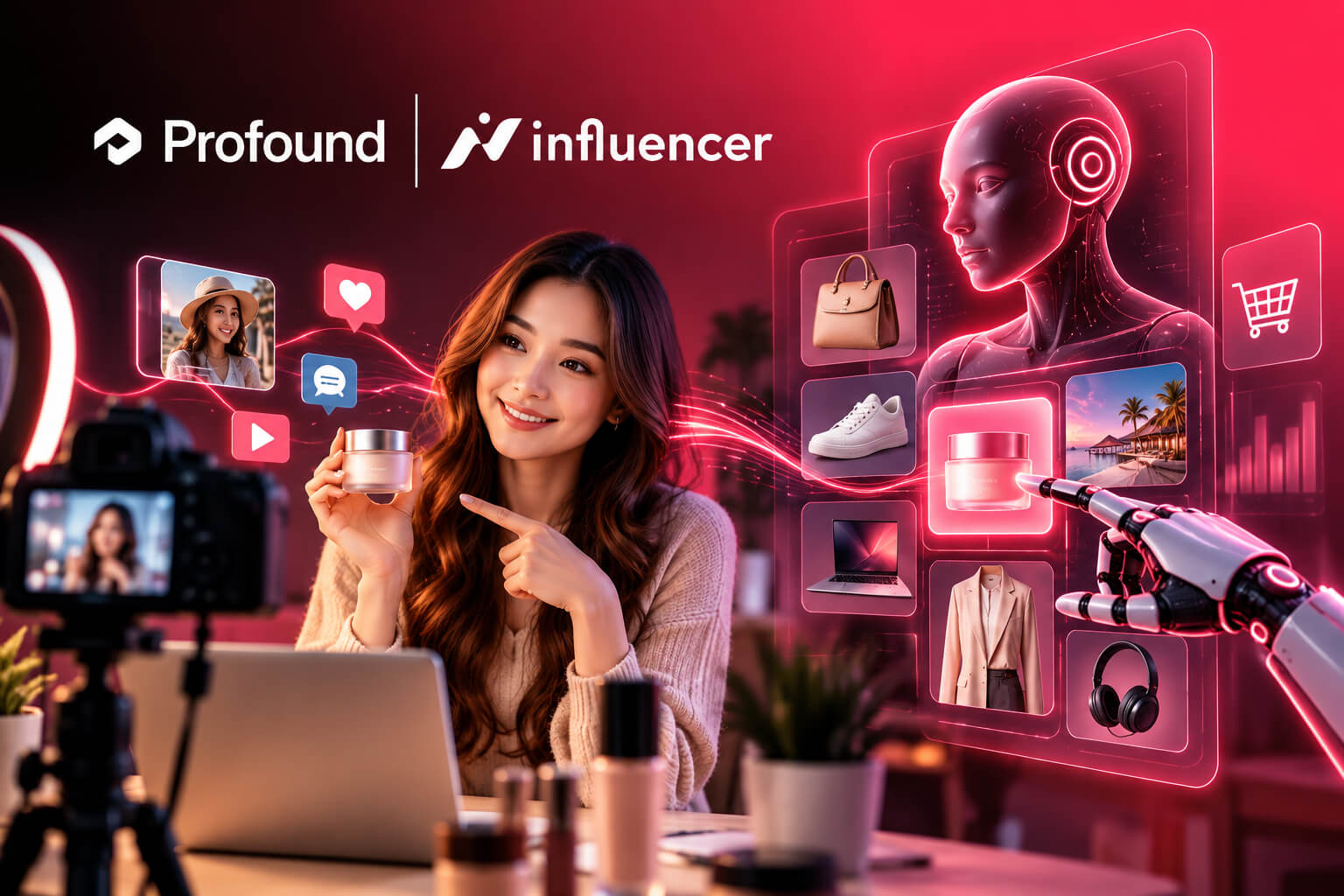
Creator marketing is starting to reach an audience that brands cannot count in followers, likes or views: artificial intelligence.
Global creator marketing agency Influencer is developing that idea through Creator-First AEO, a new practice built to help creator content influence how AI platforms understand and recommend brands.
Influencer launched the initiative in August 2026 alongside AI marketing platform Profound. Instead of treating creator campaigns purely as social content, the approach looks at how videos, descriptions and online conversations can become signals used by AI systems when answering consumer questions.
That could change how brands measure creator campaigns. A video does not necessarily need millions of views to matter. If an AI system considers it useful evidence about a product, its influence could continue well beyond its original social audience.
Creator Content Is Already Feeding AI Recommendations
Influencer co-founder Caspar Lee believes brands have been creating useful signals for AI systems through influencer campaigns for years. The difference now is that marketers are beginning to see how those signals can affect AI-generated recommendations. Net Influencer highlighted an example involving an unnamed footwear brand, where a YouTube video with around 35,000 views reportedly played a meaningful role in AI recommendations despite other videos attracting much larger audiences. That suggests raw reach may not be the only factor that matters in this new environment. Clear subject matter, useful explanations and strong context could become just as important when AI systems decide which sources to rely on.
Influencer and Profound Build an AI Measurement Loop
Creator-First AEO combines Influencer’s creator campaign capabilities with Profound’s AI visibility technology. Brands can first examine how AI platforms currently describe or recommend them, then use those findings to identify missing information, weak positioning or areas where creator content could add more useful context. Influencer can then develop campaigns around those gaps, while Profound measures how the brand’s visibility changes after the content is published. The idea is not simply to launch a campaign and move on. It creates a feedback loop where marketers can keep checking how AI systems respond and adjust future creator activity accordingly.
Smaller Creators Could Gain More Value From AI Search
AI recommendations could also challenge the usual assumption that bigger creators always carry more influence. A niche creator with a smaller following may be more valuable in certain searches if their content is highly specific, detailed and closely connected to a particular topic. Someone asking an AI assistant for the best running shoes for marathon training, for example, may receive an answer shaped more by a specialist running creator than a celebrity lifestyle account. That gives expertise, context and relevance a bigger role. For brands, creator selection could gradually move beyond follower counts and engagement rates toward a more complicated question: which creators are producing content that AI systems actually understand and trust as useful source material?
AEO Brings Search Optimization Into Creator Marketing
The concept has clear similarities with traditional search engine optimization, but it is not simply SEO with a new label. AI systems pull information from a wider mix of sources and often summarize those sources into direct answers rather than sending users to a list of links. That makes the quality of creator content especially important. Videos, captions and descriptions need to clearly explain what a product does, who it is for and why it matters. At the same time, brands cannot simply manufacture praise and expect sustainable results. Creator recommendations still need to feel credible. If creators promote products that do not fit their audience or expertise, the content may lose the authority that makes it useful in the first place.
Creator Campaigns Could Last Longer Than Their Social Reach
One of the more interesting possibilities is that creator content may keep delivering value long after the initial campaign ends. A sponsored YouTube video might receive most of its views in the first few days or weeks, but the information inside that video could remain accessible for much longer. AI platforms may continue using publicly available creator content when answering questions about products, services or categories. That means a piece of creator content could have two lives: one as a traditional social post and another as a source that quietly influences AI-generated answers months later. For brands, that potentially changes how campaign value is calculated.
Creators May Need to Think About Machine Readability
Creator content has traditionally been optimized for people, but AI recommendation systems add another layer. Titles, descriptions, spoken explanations and captions can help machines understand the topic more accurately. A creator may produce a great video, yet vague titles or limited context could make it harder for AI systems to identify exactly what the content covers. This does not mean creators should start writing robotic descriptions packed with keywords. The stronger approach is likely to be clear, specific language that still sounds natural. Content needs to remain useful to people while also being easy for AI systems to interpret.
Creator-First AEO Is Still an Early Experiment
The model is still new, and there is not yet enough public performance data to show exactly how much creator content can alter AI recommendations across different platforms. Net Influencer reported that Creator-First AEO had only been operating for a short period when the initiative was discussed publicly. Other creator marketing companies are also exploring similar strategies, showing that AI visibility is becoming a broader industry focus rather than a one-company experiment. The real test will come when agencies can consistently connect specific creator campaigns with measurable changes in AI-generated recommendations.
AI Could Become a New Distribution Layer for Creator Marketing
Creator marketing has already moved far beyond simple follower counts. Brands increasingly track conversions, sales, audience quality and long-term campaign impact. AI recommendation engines could add another metric to that mix. The question may eventually become whether creator content changes what an AI system says when someone asks for a recommendation. That would give creators a new type of influence. Their content would not only shape opinions inside social feeds but could also help shape the answers consumers receive from AI assistants during research and purchase decisions.
Sources
Net Influencer — Influencer Plans to Turn Creator Campaigns Into AI Recommendation Engines
https://www.netinfluencer.com/influencer-plans-to-turn-creator-campaigns-into-ai-recommendation-engines/
Influencer — Creator-First AEO
https://www.influencer.com/creator-first-aeo
