

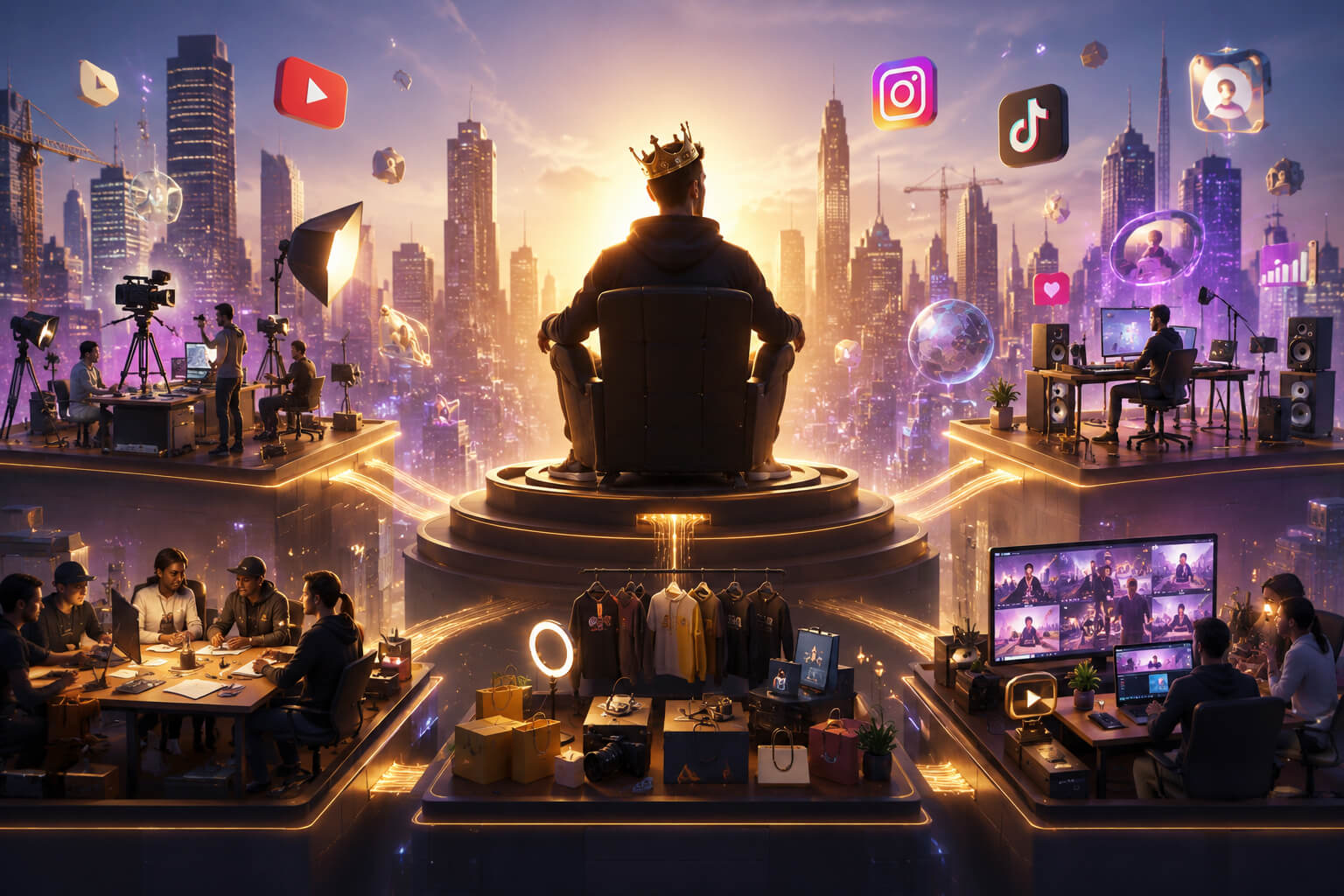
The creator economy is no longer a side channel for brand promotions. It is fast becoming one of the pillars of modern marketing, media, commerce, and culture. Traditionally, brands partnered with influencers to publish sponsored content. Now, however, ad holding companies are entering the realm of creator marketing by building ecosystems that span talent management, content creation, commerce, data, media buying, and brand partnerships.
This trend is happening amid increasing importance of creator marketing within advertising budgets. According to IAB, the U.S. creator economy ad spend is expected to grow more than double from $13.9 billion in 2021 to $29.5 billion in 2024, with projections to reach $37 billion in 2025. Moreover, creator economy ad spend is growing faster than total media ad spend.
From Influencer Posts to Creator-Led Businesses
Influencer marketing used to be straightforward: a brand would pay an influencer to promote a product or service. Today, however, creators are not just media channels but entrepreneurially-minded individuals that are starting businesses, developing products, running productions, building communities, and founding media companies.
That’s why ad holding companies are changing the way they work with creators. Rather than using them as short-term campaign assets, agencies are forming specialized divisions that will develop strategic partnerships with creators that will produce branded content, drive social commerce, host live events, launch products, and develop intellectual property.
The bigger opportunity here for brands is not to merely reach an audience but to build with creators.
Why Ad Holding Companies Are Investing in Creators
Advertising agencies have always had to prove their worth to clients amid increased competition for attention. Modern media environment is increasingly fragmented with TikTok, YouTube, Instagram, podcasts, newsletters, live commerce, and creator communities competing with traditional forms of advertising.
One thing that many brands cannot achieve on their own is building trust with consumers. Creators can do that because audiences follow them for personality, expertise, taste, entertainment, and relatability. Creator marketing, therefore, has a leg up on other marketing techniques.
According to academic research, influencer marketing is one element of a larger ecosystem that involves firms, influencers, followers, and platforms. Moreover, marketing academics highlight the challenges related to ROI measurement and balancing commercial objectives and authenticity.
The Rise of Creator Empires
“The creator empire” is becoming an increasingly apt term. Leading creators have started expanding beyond producing social media content into creating products, brands, beauty lines, fashion collections, podcasts, paid communities, educational platforms, hosting live events, and running media companies.
This shifts the power dynamic between creators and brands. Brands can no longer simply hire an influencer to promote their products. In many instances, they find themselves partnering with creators who have a stronger relationship with their audience than the brand itself.
As Forbes reports, creators have become brand builders whose creations are threatening the existence of traditional brands. The creator economy is forcing brands to adopt new approaches to working with influencers.
What This Means for Brands
If the past told us anything about the future, brands should expect influencer marketing to become an important business strategy.
Brands looking to benefit from influencer marketing should focus on strategic partnerships instead of transactional arrangements. This could mean co-creation, ambassador programs, creator studios, revenue sharing, affiliate commerce, and even joint ventures.
Moreover, brands should be willing to give creators freedom when it comes to creative direction. Social audiences can tell when a creator says something insincerely, and overly scripted influencer content often fails to perform. Authenticity still remains one of the key factors driving influencer marketing.
How Holding Companies Are Rebundling Creator, Media, and Commerce
Ad holding companies are also restructuring internally by attempting to unite different functions such as creative, media, data, commerce, production, and influencer marketing under one operating model.
This trend reflects a broader industry tendency towards integration. As Ebiquity notes, major brands consolidate their media and creative relationships with large agency groups amid growing complexity of marketing across different platforms, formats, and data systems.
This integration is especially important for creator marketing. Successful campaigns require much more than talent selection. They may include platform strategy, paid promotion, content rights, performance measurement, community insights, ecommerce linking, and brand safety checks.
The Creator Economy Is Becoming a Must-Buy Channel
Creator marketing has become more important because audiences spend increasing amounts of time interacting with individual creators rather than media brands. Creator economy allows brands to gain awareness, increase conversion, and foster brand loyalty among consumers.
As EMARKETER notes, creator economy is an ecosystem of creators, audiences, platforms, marketers, and agencies in which creators generate revenue through content and brands utilize creator partnerships to build awareness.
The next step for creator economy is its further commercialization. Not only do creators help brands sell products but they shape products’ development, influence trends, and guide communities in making purchase decisions.
Challenges Ahead for Creator Marketing
At the same time, creator economy comes with risks for brands. These include influencer fatigue, inconsistent measurement, platform algorithm changes, fake engagement, reputational risks, and growing skepticism among audiences.
As more and more sponsored content starts appearing on social media feeds, audiences might start filtering out certain types of creator content. In this case, brand-creator fit will matter more than the number of followers.
Another emerging trend is that of deinfluencing in which some creators build an audience by telling people not to buy something. Forbes mentions deinfluencing as an emerging phenomenon that could change how brands approach influencer marketing.
The Future: Creators as Business Partners
The next phase of influencer marketing will revolve around ownership. Creators will continue to create brands, develop media companies, and build direct relationships with their followers.
For ad holding companies, the future lies in being the infrastructure providers for the new creator-led ecosystem. They will be able to provide strategic planning, content production, distribution, performance measurement, brand partnerships, legal advice, and commercialization frameworks for creators to scale.
For brands, the key to success will be cooperation. Winning creator marketing strategies will see brands collaborate with creators rather than renting media space.
Conclusion
Ad holding companies are building creator empires because the world of advertising has changed. Influence is now dispersed among communities, personalities, platforms, and creator-led businesses. As the creator marketing continues to grow into a multibillion dollar channel, ad agencies and brands will transition away from single influencer campaigns to entire creator ecosystems.
Marketing will not only belong to brands that have the largest media budgets. It will also belong to brands that know how to build with creators, not just advertise with them.
