

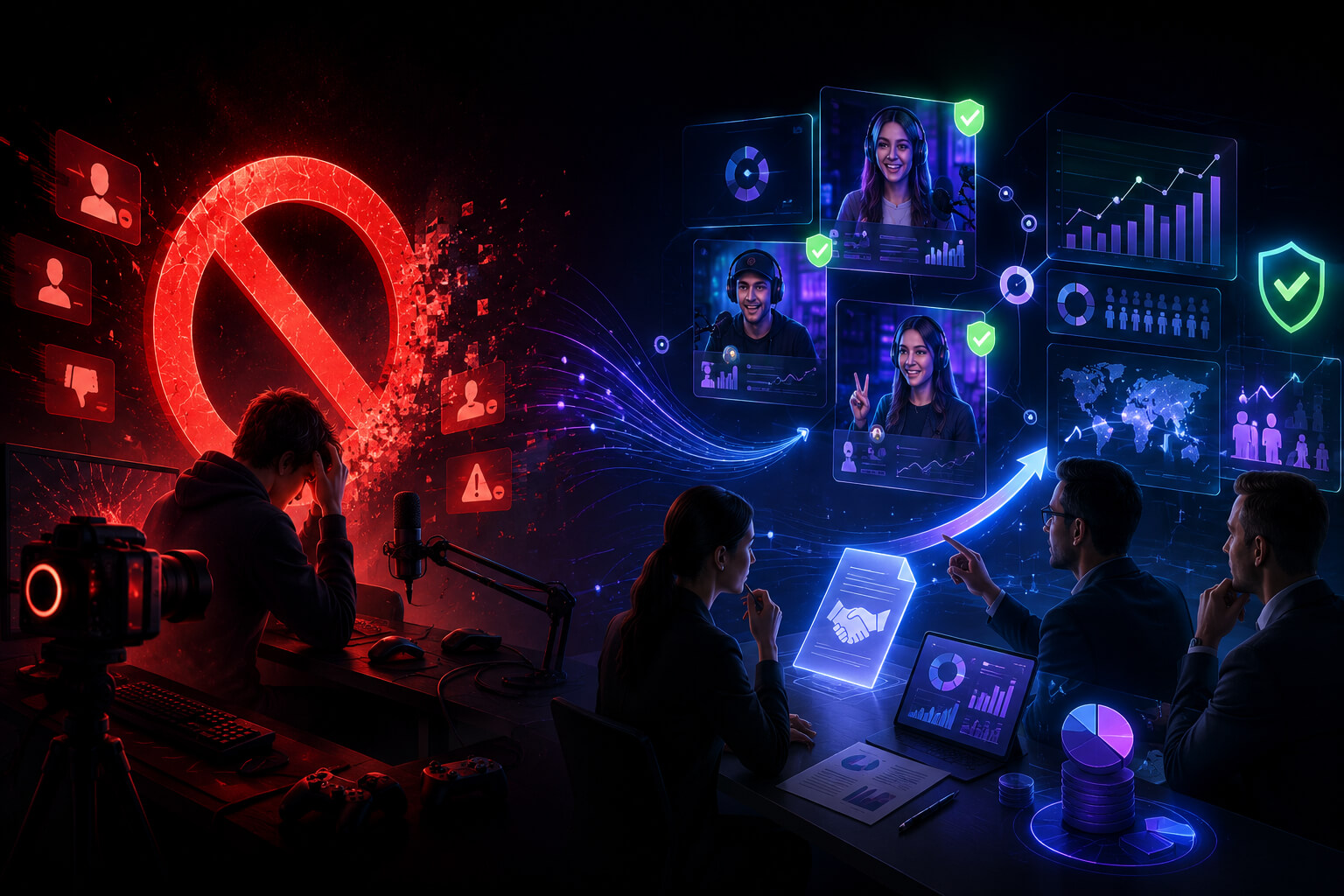
Influencer marketing has become one of the most powerful traffic channels for online brands, especially in industries where traditional ads are becoming more expensive and less trusted. But the creator economy is evolving quickly. With platforms tightening policies and regulators ratcheting up pressure, streamer bans are prompting brands to re-evaluate how they work with influencers.
For years, livestreamers have been helping brands connect with engaged audiences through real-time content, promo codes, referral links, and community-driven recommendations. In gambling and betting, this model became especially popular because audiences could watch wins, losses, and reactions live. According to the original report, 1xSlots said influencer traffic has become a major acquisition channel as paid traffic costs rise and banner-ad trust declines.
Why Influencer Traffic Became So Valuable
The main appeal of streamer-led marketing is trust. Streamers are often known as personalities, not just advertisers, so influencer content has an edge over static ads, landing pages or banner campaigns.
Livestreaming also has a strong community effect. Audiences don’t just watch content, they comment, share tips, talk about bonuses, and follow creators across platforms. This can make creator-led traffic feel more authentic and interactive than traditional digital advertising.
Brands have leveraged streamers to acquire sign-ups within high-conversion niches via referral links, promo codes, and private communities. The original article notes that Twitch was once a significant acquisition channel for casino-related promotions, but more restrictive rules broke down the model.
Streamer Bans Are on the Rise — Why?
Streamer bans are on the rise as platforms, regulators, and audiences are watching risky promotional content more closely.
Platform policy is a major issue. For example, in 2022 Twitch put restrictions on links and referral codes to certain unlicensed gambling sites, which fundamentally changed how casino and betting-related streamers could do business.
Regulatory pressure is another factor. The report says influencers promoting gambling have been fined or sued in various markets including Turkey, Brazil, France and Indonesia.
There are also concerns about fake engagement and channels that don’t last. The original article cites StreamsCharts analytics that a large share of gambling-related Twitch channels showed signs of viewbotting, which can damage trust in the whole influencer vertical.
Impact on Brands
Streamer bans are a major business risk for brands. A creator can lose an account overnight, cutting out an entire source of traffic immediately. This makes influencer marketing less predictable, especially when campaigns depend on one big personality or one platform.
There is also reputational risk. If a creator becomes involved in controversy, promotes unsafe behavior, or is accused of misleading audiences, the brand connected to that creator can suffer as well. In today’s creator economy, brand safety matters as much as reach.
The result is that influencer marketing is no longer just about finding a popular streamer. It is now about risk management, compliance, audience quality, and platform diversification.
Creator Traffic Is Moving Beyond Twitch
Streamer bans have not ended influencer traffic. Instead, they have pushed it into new spaces.
The market is more fragmented with streamers now moving to other platforms such as Kick, YouTube, Telegram and private communities. Brands can’t rely on a single platform anymore for consistent results.
Instead, influencer campaigns are increasingly layered funnels. A creator can create awareness on a livestream, convert followers to Telegram or Discord, and then continue engagement through private groups, newsletters or community channels.
The Rise of Short-Term and Micro-Influencer Campaigns
With more stringent rules comes more short-term creator campaigns. Some streamers are now working on short-term channels, quickly moving audiences into private spaces before accounts are restricted or taken down.
This can bring quick traffic but is risky for brands looking for long-term credibility. A better way is often to partner with smaller, more compliant creators who have loyal communities and less reputational risk.
While micro-influencers may not have the immediate reach of the major streamers, they often have higher audience trust, better engagement, and more sustainable partnerships.
What Brands Should Do Next
Brands that engage in influencer marketing should focus on safer, more diversified strategies. This means not relying too much on a single creator, platform or promotional format.
A better approach is to work with multiple creators, to study platform rules carefully, to use compliant messaging, to develop owned communities, and to measure audience quality rather than just clicks or sign-ups.
The bottom line is simple: influencer traffic is still valuable, but it’s becoming more complicated. Streamer bans are making brands smarter, safer and more strategic in how they leverage creator partnerships.
Conclusion
Streamer bans are reshaping influencer marketing across high-risk and heavily regulated industries. The brands that win will be those that view creator partnerships as long-term community-building channels, not quick traffic sources.
Influencer marketing is not going away, it is shifting to a more fragmented, compliance driven and community led model where trust, platform strategy and brand safety are more important than ever.
