
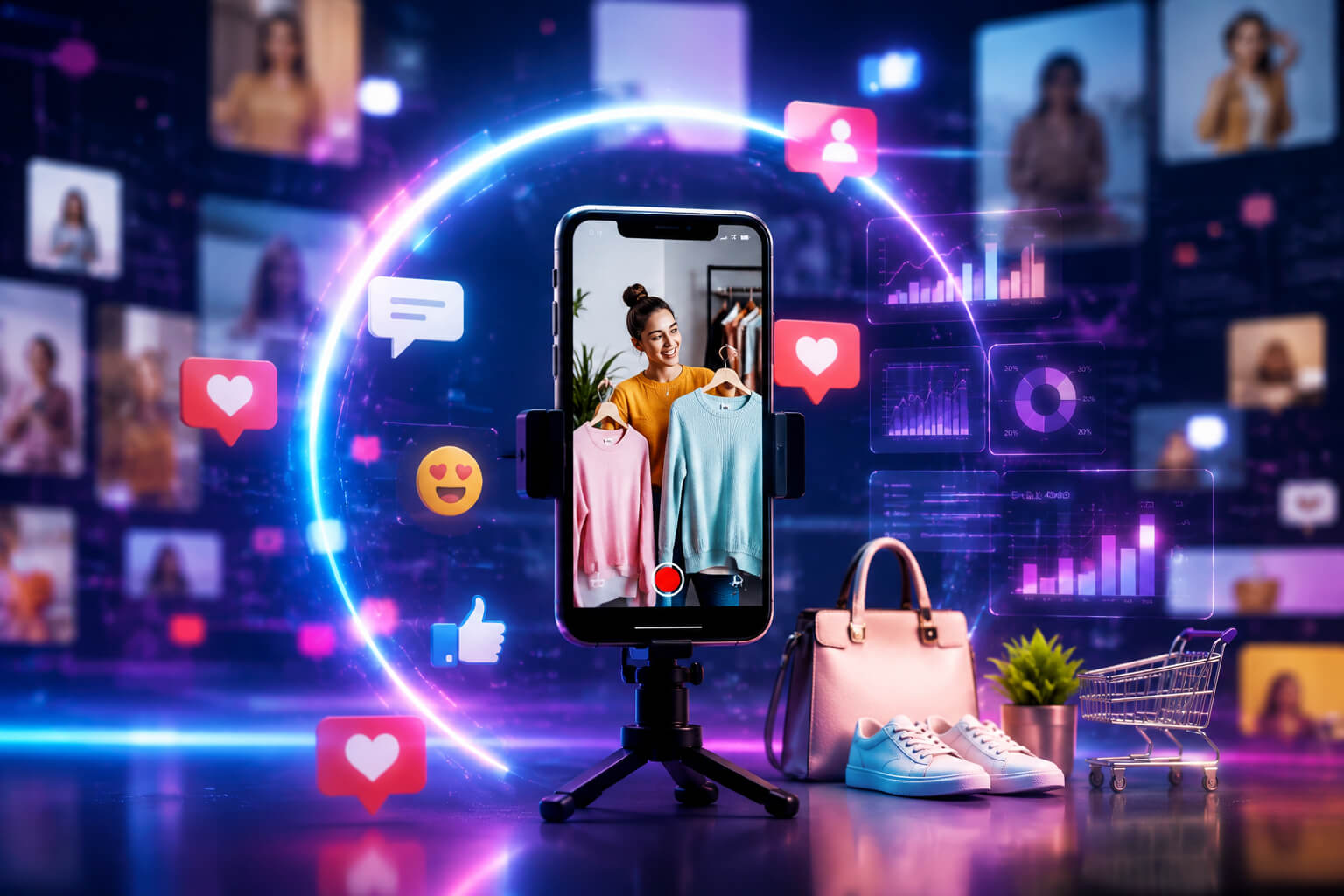
Influencer marketing has come a long way since the era of one-off sponsored posts and short-term brand awareness campaigns. The influencer marketing evolution has transformed it into a cornerstone of how major companies build trust, enable product discovery, and connect with consumers who are growing increasingly skeptical of traditional advertising.
The latest evolution is being led by global brands who are no longer treating creators as promotional partners, but rather as a key part of their marketing infrastructure. Companies are moving beyond the reliance on polished corporate campaigns to building out networks of influencers, social-first content and AI-driven tools that enable them to create more relevant messaging at scale.
And this is a huge pivot for the creator economy.
Why brands are rethinking traditional advertising
Consumers are exposed to more ads than ever before, but many are paying less attention to brand-led messaging. Social media has changed how people discover products, consider recommendations and decide what to buy.
Creators are now a powerful part of that process because they often feel more relatable than corporations. Their audiences follow them for opinions, routines, tutorials, reviews and lifestyle content. When a product fits naturally into that content, it can feel less like an interruption and more like a recommendation from a trusted source.
That trust is one reason influencer marketing is gaining more attention from large advertisers. Brands want to show up where consumers are already spending time, and creators give them a way to enter those conversations with more authenticity.
Unilever’s Creator Strategy Signals a Bigger Industry Shift
Unilever has become one of the clearest examples of how large companies are rethinking influencer marketing. Under CEO Fernando Fernandez, the company has signaled plans to invest more heavily in influencers, social platforms, and AI-driven content creation.
The move is part of a wider belief that brand messages work better when they are delivered by trusted voices rather than simply through corporate advertising. For a company with household names across beauty, personal care, food and home care, creator-led marketing provides a way to localise campaigns and communicate with communities in a more personal fashion.
Instead of creating one campaign for a broad audience, brands can team up with creators in different markets, regions and niches. This helps messaging feel more relevant, especially when campaigns are customized for local culture, language and consumer behavior.
AI Is Coming To The Influencer Marketing Evolution
Artificial intelligence is also having a huge impact in the influencer marketing evolution. As brands partner with more creators, they need faster systems to plan content, measure campaigns, produce assets and analyze performance.
AI can help brands spot creator trends, test creative variations, personalize content and measure what resonates with different audiences. It can also help marketing teams manage the growing volume of content needed for social platforms.
However, AI does not replace the creator’s role. Instead, it supports the systems around creator marketing. The human element — trust, personality, community, and authenticity — remains the reason influencer marketing works in the first place.
What does this mean for creators
This change means both opportunity and competition for influencers and content creators.
As more brands invest in partnerships with quality creators, especially those with strong engagement, a clear niche and the ability to create content that feels natural but still hits brand goals, the demand for quality creators will increase.
Creators who understand storytelling, analytics, audience trust and platform trends will have an advantage. Brands aren’t just looking at follower count anymore. They’re paying attention to audience quality, content performance, consistency and whether a creator can influence real consumer behavior.
The market is also getting more crowded. As more people enter the creator economy, creators will have to differentiate themselves through credibility, originality and professionalism.
What This Means for Brands
As influencer marketing grows, brands need to be more strategic. Simply paying creators to post about a product is no longer enough.
Successful creator-led campaigns require clear goals, strong creator selection, transparent disclosures, and content tailored to each platform. Brands also need to think beyond a single post. Creator content can be leveraged across organic social, paid ads, product pages, email marketing, retail campaigns and community-building efforts.
The best brands will see influencers as long-term partners, not short-term media placements. This means allowing creators to speak in their own voice, but still be aligned with the brand’s message and values.
Trust and Transparency Will Matter Even More
As influencer marketing continues to grow, transparency will become even more important. Audiences want to know when content is sponsored, and regulators are continuing to monitor disclosure practices.
Creators and brands being transparent about paid partnerships is a way to help protect audience trust, and comply with advertising regulations. Transparency may also become a competitive advantage over time as audiences tend to trust creators who are transparent about brand relationships.
The next stage of influencer marketing will not be built only on reach. It will be built on credibility.
The Future of Influencer Marketing Is Creator-Led
The influencer marketing evolution is reshaping how brands communicate. Big players are shifting from ad-first to creator-led, social media-driven, data and AI-powered systems.
For creators, it could mean more brand opportunities, stronger partnerships, and a greater part in shaping consumer culture. For brands, it means learning how to build trust through real voices, not with corporate messaging alone.
Influencer marketing is no longer a trend. It’s emerging as one of the most important growth channels in modern advertising — and the next frontier will be brands and creators who can blend authenticity, scale and measurable impact.
