

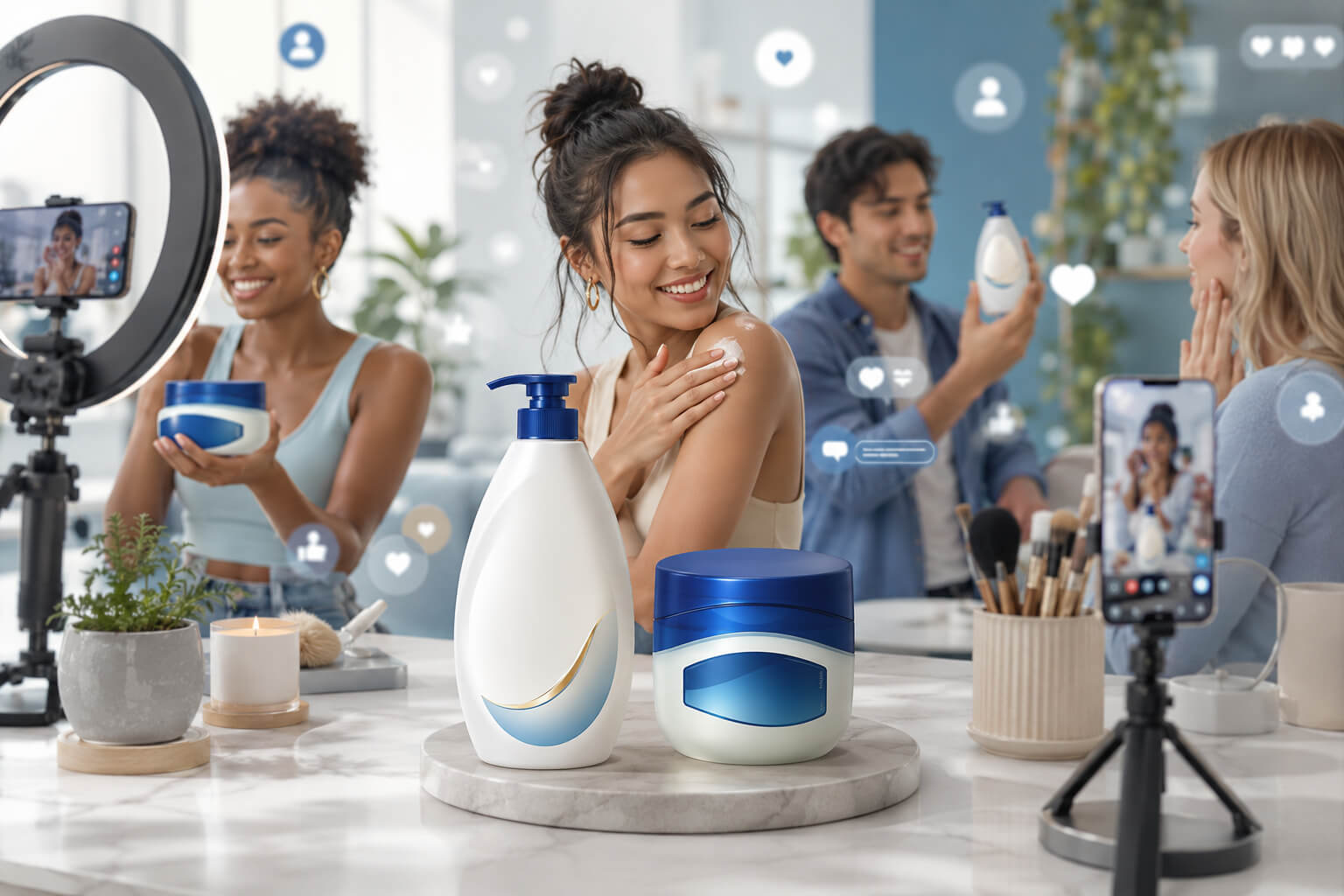
Influencer marketing is no longer just a brand-awareness play. For major beauty and personal care brands like Dove and Vaseline, creators are becoming central to the entire customer journey — from discovery and education to trust-building, product validation and sales.
A recent WWD report highlighted how Unilever brands are deepening creator partnerships as influencer activations become more important across the marketing funnel. Traackr cofounder and CEO Pierre-Loïc Assayag told WWD that creator collaborations now stretch far beyond top-of-funnel awareness.
That shift is especially visible at Unilever, the parent company of Dove and Vaseline. The consumer goods giant has been moving more of its marketing energy toward social platforms, creator content and culturally relevant campaigns.
Unilever’s Creator Strategy Is Getting Bigger
Unilever has publicly leaned into a major influencer-first strategy. CEO Fernando Fernandez previously said the company planned to increase influencer partnerships by 20 times and move half of its advertising budget toward social media, up from 30%, according to Business Insider.
That kind of move signals a broader change in how global brands see creators. Instead of treating influencer marketing as a campaign add-on, Unilever is building creators into the core of its marketing model.
For beauty and personal care brands, this matters because purchase decisions are often shaped by trust, peer recommendations, tutorials, product demos and everyday use cases. Creators can deliver all of those in ways traditional ads often cannot.
Dove Shows the Power of Creator-Led Brand Purpose
Dove has long built its brand around real beauty, self-esteem and authenticity. Its creator strategy appears to extend that positioning into social-first campaigns where creators are not simply used as media channels but as storytelling partners.
Dove’s #ShareTheFirst campaign has been cited as an example of creator-first execution, using long-term creator relationships, emotional insights and scalable briefing systems to support culturally relevant content.
The key lesson for marketers is that Dove’s creator work does not rely only on reach. It relies on alignment. The creators involved must match the brand’s values and speak to audiences in a way that feels personal rather than overly polished.
That approach reflects a larger influencer marketing trend: consumers increasingly respond to content that feels honest, useful and human.
Vaseline Turns Social Listening Into Creator Momentum
Vaseline has also become a strong example of how legacy brands can use creator culture to stay relevant.
Unilever said Vaseline became one of its €1 billion Power Brands in 2024 and achieved double-digit growth that year. The brand’s “Vaseline Verified” campaign, launched in March 2025, generated more than 136 million social views by July 2025, according to Unilever.
The campaign tapped into viral social media hacks involving Vaseline, then tested and verified some of those claims with brand-backed expertise. The Guardian reported that Unilever worked with creators and scientists to test popular Vaseline hacks, approving some claims while debunking others.
This is a smart creator strategy because it does not force a trend. It listens to what consumers are already doing, then uses creators to amplify, test and explain it.
Why Creator Partnerships Are Moving Down the Funnel
The big change is that creator content is now expected to do more than generate views.
Creators can help brands:
- Introduce products to new audiences
- Explain product benefits in relatable ways
- Validate trends and social conversations
- Drive consideration through tutorials and reviews
- Support conversion through shoppable content and affiliate links
The Financial Times reported that influencer marketing reached an estimated $32 billion in 2025, citing Statista, and noted that Vaseline’s campaign with hundreds of influencers generated hundreds of millions of views and a sales lift.
That growth explains why companies like Unilever are investing more heavily in creator systems, not just one-off influencer deals.
What Other Brands Can Learn From Dove and Vaseline
The success of Dove and Vaseline points to a few important lessons for creator and influencer marketers.
First, creator partnerships work best when they are connected to a brand’s larger identity. Dove’s creator strategy fits its long-running message around authenticity and real beauty.
Second, brands should listen before they launch. Vaseline’s social-first approach worked because it responded to real user behavior already happening across platforms.
Third, scale requires infrastructure. As brands work with more creators, they need systems for discovery, briefing, compliance, measurement and brand safety.
Finally, creators should be treated as collaborators, not just distribution channels. The strongest influencer campaigns give creators room to translate brand messages into content that feels natural to their own communities.
The Bottom Line
Dove and Vaseline show how influencer marketing is becoming a serious growth strategy for major beauty and personal care brands. Their creator partnerships are not only about visibility. They are about relevance, trust and participation in culture.
As Unilever continues to expand its social and influencer investment, other brands will likely watch closely. The message is clear: creator marketing has moved from experimental budget line to business-critical strategy.
For creators, this means more opportunities with major consumer brands. For marketers, it means the brands that build strong creator systems now may have a major advantage in the next phase of social-first commerce.
