

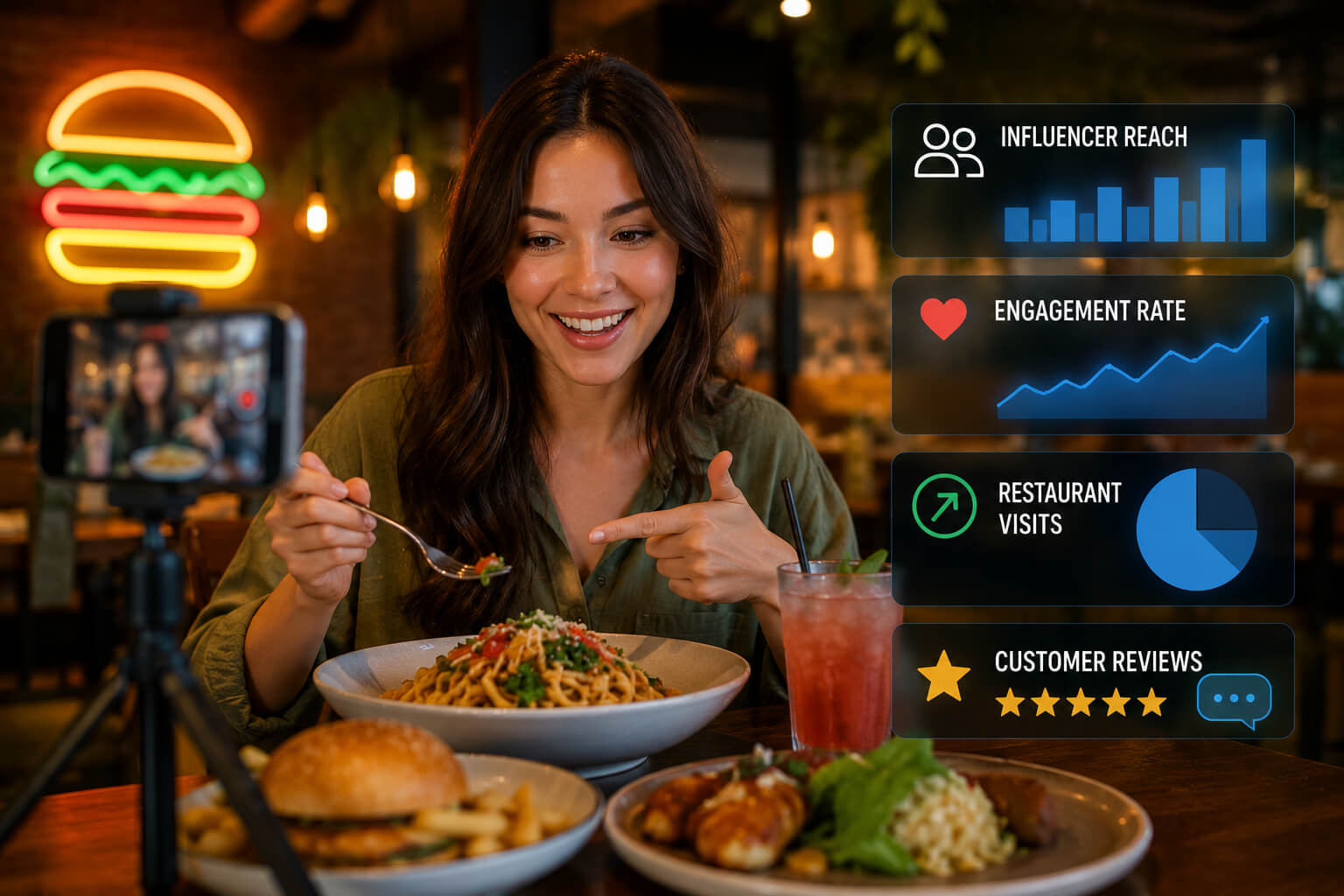
Restaurant influencer marketing is changing. Slowly, but pretty clearly.
It is no longer just about inviting one popular food creator, hoping for a viral Reel, and calling it a campaign. BAM Media Group, a social media and influencer marketing agency focused on restaurants, QSR, hospitality, and food and beverage brands, is now pushing a more grounded version of the playbook: organic content, local creators, trade-based influencer partnerships, and actual store-level performance tracking.
The agency says this model can help multi-location restaurant brands grow without depending on huge influencer budgets. And honestly, that is the part many restaurant operators will probably notice first.
Influencer Marketing for Restaurants Is Becoming More Local
For a long time, restaurant marketing on social media looked a bit too polished. A big creator posts a meal. The brand reposts it. Everyone hopes the attention turns into foot traffic.
BAM Media Group is taking a more local route.
The agency’s strategy looks beyond traditional food influencers. It also uses lifestyle creators, city guide pages, neighborhood accounts, local community voices, and creators who already have trust in specific markets. That matters because a restaurant does not always need national attention. Sometimes it needs people within driving distance to show up for lunch, dinner, or a weekend visit.
That sounds obvious. Still, many brands miss it.
BAM Media Group Focuses on Organic-First Growth
The company’s approach centers on organic-first social media strategy, user-generated content, creator partnerships, and store-level data. Instead of treating social media as a soft awareness tool, BAM Media Group connects content performance with restaurant traffic, sales, check count, entree volume, and same-store sales.
That is a different conversation from vanity metrics.
Likes are nice. Views help. But restaurants need measurable movement. More orders. More visits. More repeat customers. A post that performs well online but does nothing in-store is not enough anymore.
BAM’s model appears to lean into that reality. Test content first. Watch what people actually engage with. Measure what happens at the store level. Then scale the best-performing content through paid amplification when it makes sense.
Trade-Based Creator Partnerships Are Getting Attention
One of the more interesting parts of BAM Media Group’s strategy is its use of trade-based influencer activations.
In one QSR-focused campaign, the agency reportedly helped activate more than 70 influencers across five markets with no cash influencer spend. The campaign included in-house content production, influencer-generated content, user-generated content, local community accounts, and lifestyle creators. According to the case study cited in the release, the campaign contributed an average 11%+ year-over-year sales lift across all locations in four months.
That is the kind of number restaurant marketers care about.
Not because every campaign will repeat it perfectly. They will not. But because it shows why smaller, local, more authentic creator systems are getting harder to ignore.
Another Campaign Reached Millions Organically
BAM Media Group also pointed to another campaign for a multi-location restaurant brand. In that case, the agency activated more than 60 trade-based influencers across multiple markets. The campaign generated more than 2.5 million total video views and reached a combined organic audience of more than 8.5 million followers in three months.
One location reportedly saw year-over-year entrees move from -0.21% to +20.21%.
That jump is the kind of detail that makes restaurant owners pay closer attention to influencer marketing. Not the glamorous version. The operational version. The version where content, creators, sales data, and local demand all sit in the same room.
Why This Matters for Creators Too
For creators, this shift could open more opportunities outside the usual big-brand influencer campaigns.
A local lifestyle creator with a loyal neighborhood audience may be more valuable to a restaurant than a national food account with a scattered following. A city guide page might drive more real visits than a creator with prettier content but no local conversion power. Even smaller creators can become useful if their audience is active, nearby, and willing to try new places.
That is good news for micro-influencers and local creators.
It also raises the bar. Restaurants will increasingly look at saves, shares, watch time, comments, audience fit, and whether content appears to move actual customer behavior. Pretty content alone may not be enough.
Restaurant Marketing Is Getting Less Fluffy
BAM Media Group was founded by Jake Schwartz and focuses on helping restaurant and hospitality brands build organic-first content systems, creator partnerships, paid amplification strategies, and measurable growth campaigns. The agency says Schwartz has worked with more than 40 brands and has been building niche communities since 2014.
The bigger takeaway is simple: restaurant influencer marketing is becoming more disciplined.
Not boring. Just more accountable.
Brands want creator campaigns that feel natural, but they also want proof. Creators want partnerships that fit their audience, but they also need to understand performance. Agencies are being pushed to connect the two.
For restaurants, this could become a more practical way to turn online attention into real-world visits. For creators, it is another sign that local influence is becoming a serious business asset.
