


Growing a children’s YouTube channel is difficult enough.
Growing out of one might be harder.
The Stella Show has spent seven years building an audience of more than seven million subscribers. Stella Wallace started appearing in videos when she was four. Now she is 11, speaking at VidCon and helping her family decide what the next version of the channel should look like.
That next version cannot simply repeat what worked before.
Stella is no longer the young child at the center of toy-focused videos. She is entering the tween years, while many of the viewers who grew up alongside her are doing the same.
The audience is changing. So is Stella.
The business has to catch up.
The Stella Show Is Moving Into the Tween Audience Gap
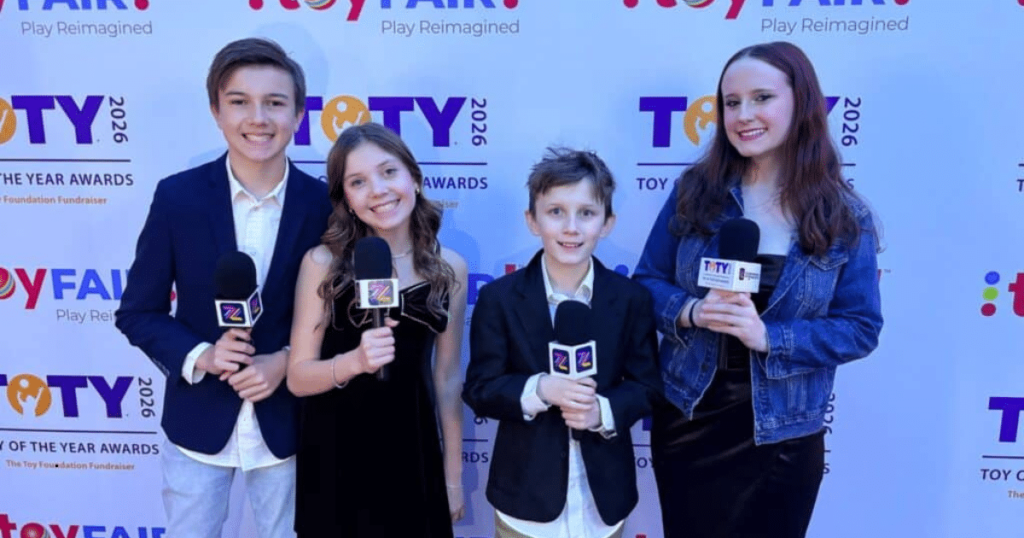
The Wallace family has started shifting The Stella Show toward older viewers, including the introduction of a recurring series called Teen Talk.
The series features Stella and four of her close friends. It gives the channel space to explore friendships, conversations and experiences that make more sense for viewers who have moved beyond traditional children’s content.
There is a problem, though.
The commercial market has not developed a clear lane for tween creators. Stella has largely grown out of the toy category, yet she is still too young for many of the beauty, skincare and lifestyle campaigns commonly offered to teenage influencers.
That leaves the channel sitting in an awkward middle ground.
Brands understand young children. They understand teenagers. The years in between still seem strangely overlooked.
For The Stella Show, this creates both a creative challenge and a business one. Few creators have successfully built a clear YouTube model for that age group, so there is no obvious playbook to copy.
Former Viewers Are Rediscovering Stella Through TikTok
Some viewers who watched The Stella Show as children gradually moved toward older creators.
That is fairly normal. Audiences age, interests shift and recommendation feeds quickly replace yesterday’s favorite channels with something new.
TikTok has started bringing some of those viewers back.
Short-form videos featuring an older Stella have been reaching people who remember watching her years earlier. Their comments often carry the same surprised reaction: they grew up watching Stella and have suddenly discovered that she is still creating content.
Erika Wallace, Stella’s mother, uses those moments to remind former viewers that the channel never disappeared.
It simply grew up.
The discovery process also shows why creator brands need more than one platform. YouTube remains the family’s main business, but TikTok can reconnect the channel with viewers who may no longer receive its longer videos through YouTube’s recommendation system.
YouTube Remains the Family’s Main Creator Business
The Wallace family does not treat every social platform in the same way.
Stella’s father, James, handles much of the writing, filming and editing for YouTube. Erika manages Instagram and TikTok, where she can post more frequently and test looser content ideas.
YouTube gets the careful treatment because it remains the channel’s primary source of revenue.
The Stella Show is classified as Made for Kids, which limits several features commonly used by other creators. Comments are disabled, while clickable affiliate links and certain audience-engagement tools are unavailable.
Those restrictions can reduce monetization options. Still, the family follows them closely rather than trying to find loopholes.
Losing the channel would mean losing the core of the business.
The family also earns some additional income through pocket.watch, which distributes Stella Show content through platforms including HappyKids and Ryan and Friends. YouTube advertising, however, remains the financial foundation.
Brand Campaigns Fail When They Stop Feeling Like Creator Content
The Wallace family has already seen what happens when a brand controls too much of a creator campaign.
During one previous partnership, the family had to blur wallpaper inside their home and identify artwork for rights clearance. The restrictions stripped away much of the environment viewers normally associated with The Stella Show.
The resulting video did not perform well.
It is not difficult to understand why.
Audiences recognize when a creator suddenly stops acting like themselves. A familiar home becomes an empty studio. Natural dialogue starts sounding like approved advertising copy. The video technically meets the campaign requirements, but nobody particularly wants to watch it.
The Wallaces believe brands should allow creators to produce content that still fits the channel viewers originally subscribed to.
Otherwise, the sponsorship becomes obvious within seconds.
Not obvious in a transparent, properly disclosed way. Obvious in the “this does not belong here” way.
Zigazoo Shows What a Longer Creator Partnership Can Look Like
The family’s relationship with Zigazoo works differently.
Through the partnership, Stella became an ambassador for Urban Air, attended Toy Fair in New York for two consecutive years and received an invitation to participate at VidCon.
At the 2026 conference, Stella joined a panel organized through Zigazoo and spoke directly to industry professionals about what tweens want to watch.
She was 11 years old, standing in front of adults who were still trying to work that out.
The relationship has developed beyond a single sponsored post. Zigazoo has helped connect Stella with events, experiences and opportunities that fit her development as a creator.
That kind of collaboration can be more valuable than a campaign built around one tightly scripted video.
Stella Has the Final Say on Brand Deals
Despite the size of the channel, Stella can reject a partnership.
For one campaign involving a toy and a trip to New York, she agreed to participate only if she could bring a friend. The condition helped turn the work into an experience she actually wanted.
The family also considers unpaid collaborations when the experience feels worthwhile.
An arrangement involving Ringling Bros. and Barnum & Bailey, for example, will allow Stella and the Teen Talk group to attend a circus performance without charge. The partnership does not provide direct payment, but it gives the group an experience they can share.
That will not make sense for every creator. Exposure and free tickets do not pay production costs.
Still, the Wallaces appear to judge each opportunity according to what Stella gains from it, not simply the campaign fee.
Erika Wallace Keeps Clear Boundaries Around Stella’s Online Life
Stella may have millions of YouTube subscribers, but she does not personally control her social media accounts.
Erika manages the accounts and intends to continue doing so until Stella becomes an adult. She filters the exposure, monitors the platforms and keeps much of the online pressure away from her daughter.
The family also limits filming to once a week.
School, friendships and ordinary childhood take up the rest of Stella’s schedule. Her school is never used as a filming location, and the family avoids sharing identifying details. Even Stella’s uniform is concealed in photos.
Those choices matter in a creator economy that often rewards constant access.
More content can produce more views. More personal details can make viewers feel closer. But a family channel does not need to turn every part of a child’s life into material.
The Stella Show has built scale while keeping some firm lines in place.
Stella Is Already Exploring Businesses Beyond YouTube
During a year of homeschooling, Erika created an entrepreneurship course for Stella.
The project eventually became a candle business using recycled soda cans. The candles come in different sizes and match the colors of the original cans. Stella plans to introduce them at a farmers’ market alongside a fan meet-and-greet.
A swimwear line may follow.
That idea came from a dream Stella had, but it also connects naturally with Erika’s background. Before YouTube, she studied fashion design and worked in the swimwear industry.
These projects give Stella options beyond advertising revenue.
A large subscriber count can disappear behind an algorithm change, a platform restriction or a shift in audience behavior. Products and businesses built around a creator’s interests may offer something more durable.
The candle idea is still small. That is probably part of its value.
It lets Stella learn without forcing every experiment to become another giant creator-economy launch.
The Next Chapter Depends on Whether Viewers Grow With Stella
The Stella Show now faces the question that eventually reaches every successful child creator.
Will the audience stay?
Erika hopes viewers will follow Stella through different stages of her life, much like audiences followed performers such as the Olsen twins and Hilary Duff from childhood into their later careers.
There is no guarantee that will happen.
Digital audiences move quickly, and YouTube channels built for young children do not always make the transition into teenage content. The tone changes. The brand opportunities change. Even the relationship between the creator and the audience starts feeling different.
Stella has mentioned teenage creator Salish Matter as one possible model. Matter built an audience while young and continued expanding it as she entered adolescence.
Teen Talk could provide Stella with a similar bridge.
Not a complete reinvention. Not the same children’s channel with slightly older costumes either.
Something in between.
The Tween Creator Market Is Still Waiting to Be Defined
The Stella Show’s transition points to a wider gap in influencer marketing.
Tweens watch creators. They shape family purchases. They develop strong interests and online communities. Yet many brands still divide campaigns into children and teenagers, leaving little room for the audience between those categories.
Creators such as Stella may end up defining that market before advertisers do.
Her VidCon appearance made that disconnect hard to miss. An 11-year-old creator was explaining tween viewing habits to industry professionals because she understands the audience from the inside.
The next stage of The Stella Show will not depend only on subscriber numbers.
It will depend on whether the family can let the content mature without rushing Stella into an older influencer category before she is ready.
For now, Stella’s plan is uncomplicated.
She intends to keep going.