


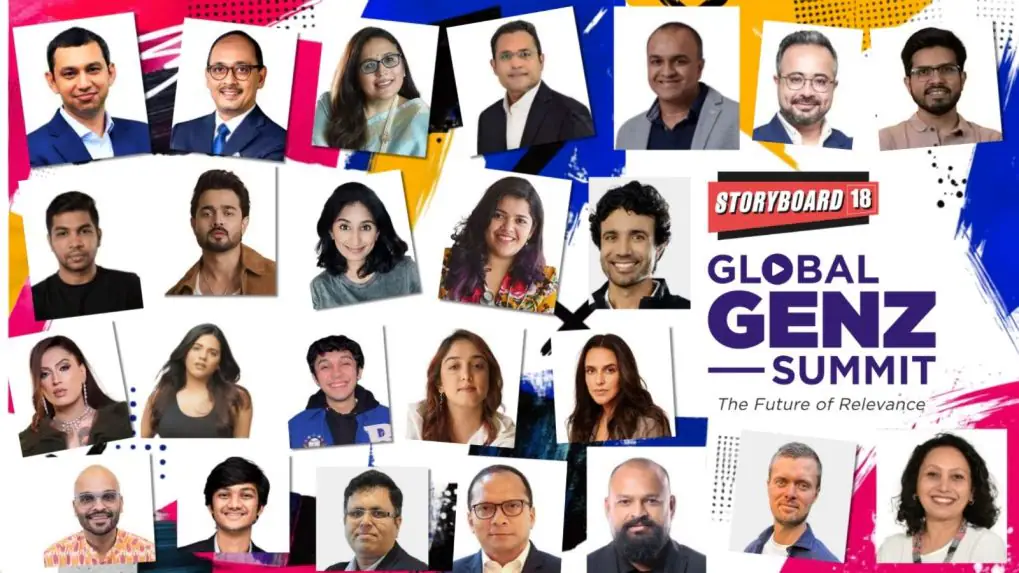
India’s creator economy is moving deeper into the business conversation, and the Storyboard18 Global GenZ Summit is putting that shift on display. The event brings together creators, CEOs, founders, marketers, platform leaders and cultural voices to explore how Gen Z is influencing media, commerce, technology and brand building.
The bigger question behind the summit is simple enough: what does relevance actually look like for Gen Z now? There is no single answer, which is exactly why brands, creators and platforms are all paying closer attention.
Creators Are Moving Into the Main Business Conversation
Creators are no longer being treated as a side category within marketing. At the Storyboard18 Global GenZ Summit, they are being placed alongside senior executives, entrepreneurs and technology leaders in conversations around business growth, culture, trust and commerce. That reflects how the creator economy has evolved. Many creators are now building companies, launching products, developing intellectual property and turning communities into long-term businesses rather than relying only on sponsorships or one-off brand deals.
The summit includes creators from different corners of India’s digital culture, including Bhuvan Bam, Techburner’s Shlok Shrivastava, Shraddha Jain, Rida Tharana, Dr. Tanaya Narendra, Nisman Parpia and Priya Malik. Their presence highlights how broad the creator economy has become, stretching across entertainment, technology, education, lifestyle and digital storytelling.
Bhuvan Bam Reflects the Growth of India’s Creator Economy
Bhuvan Bam is one of the clearest examples of how far India’s creator economy has come. He built his audience through digital-first storytelling before creator-led businesses became a major part of the marketing industry. His career has since expanded beyond online videos into entertainment, music, production and entrepreneurship.
That journey matters because it shows how creators can evolve beyond individual posts or platforms. A creator can become a media brand, a production company and a commercial business at the same time. For brands trying to connect with Gen Z, that kind of influence is increasingly difficult to ignore.
Gen Z Is Changing What Influence Means
Follower numbers still matter, but they are no longer the only thing brands look at. Gen Z audiences have grown up with short-form video, recommendation algorithms, sponsored content and creator-led communities. They are used to seeing brand messages everywhere, which makes authenticity and credibility more important.
A creator with a smaller but highly engaged community can sometimes have more influence than someone with millions of passive followers. That is changing how brands select partners. Simply choosing the biggest name is no longer enough. Brands now have to think about trust, audience fit, tone and whether the creator actually makes sense for the campaign.
Brands Are Trying to Keep Up With a Fast-Moving Generation
The summit also brings senior business leaders into the conversation, including executives from companies operating across technology, automotive, financial services and social media. Their involvement shows that understanding Gen Z is no longer just a marketing department issue.
Gen Z is already shaping how people discover products, research brands and decide what to buy. In many cases, that journey begins with a creator, a recommendation from a community or a piece of content rather than a traditional advertisement. Companies are being pushed to rethink where influence starts and how brand awareness turns into actual purchasing decisions.
Creator Agencies Are Becoming More Important
Creator agencies are also playing a bigger role as the industry becomes more complex. Their work now goes beyond finding an influencer and negotiating a sponsored post. They increasingly help brands understand creator fit, campaign strategy, audience credibility and long-term partnership potential.
This middle layer matters because creator marketing is becoming more sophisticated. Brands are spending more money in the space, while creators are becoming more selective about partnerships. Agencies often sit between both sides, helping translate business objectives into collaborations that still feel natural to audiences.
Gen Z Is Not Just Consuming Culture
Gen Z does not simply watch culture happen. They remix it, comment on it, turn it into memes, challenge it and sometimes create entirely new trends within hours. Social platforms have made that participation part of everyday media consumption.
Creators sit at the center of that process because they are often the ones shaping the language, visual style, jokes and conversations that brands eventually try to understand. That is one reason cultural relevance has become so important. Reach can still be purchased through advertising, but relevance is much harder to manufacture.
Commerce Is Moving Closer to Creator Influence
Creator marketing is also becoming more closely tied to commerce. Social platforms continue to build shopping features, affiliate tools and advertising products around creator content, while more creators are launching their own businesses and product lines.
The path from content to purchase is becoming less direct. A consumer might discover a product in a creator video, search for it later, see another recommendation, discuss it with friends and eventually make a purchase days later. That messy journey is increasingly normal, especially among younger audiences.
What the Storyboard18 Global GenZ Summit Means for Creator Marketing
The most interesting part of the Storyboard18 Global GenZ Summit may be the mix of people taking part. Creators, business leaders, founders, agencies and technology companies are all dealing with the same challenge: getting attention is possible, but keeping it is much harder.
For the creator economy, that creates a bigger opportunity. Brands increasingly need people who understand communities from the inside rather than simply pushing messages toward them. Creators already hold that position, and their influence is moving further into strategy, commerce and brand building.
The summit reflects a wider shift already happening across the industry. Creators are not just supporting marketing campaigns anymore. In many cases, they are becoming part of the business infrastructure around how brands reach, influence and sell to the next generation of consumers.
Sources
Storyboard18 – Global GenZ Summit coverage
https://www.storyboard18.com/brand-makers/storyboard18-global-genz-summit-where-indias-business-brand-and-creator-leaders-come-together-to-decode-gen-z-108740.htm