


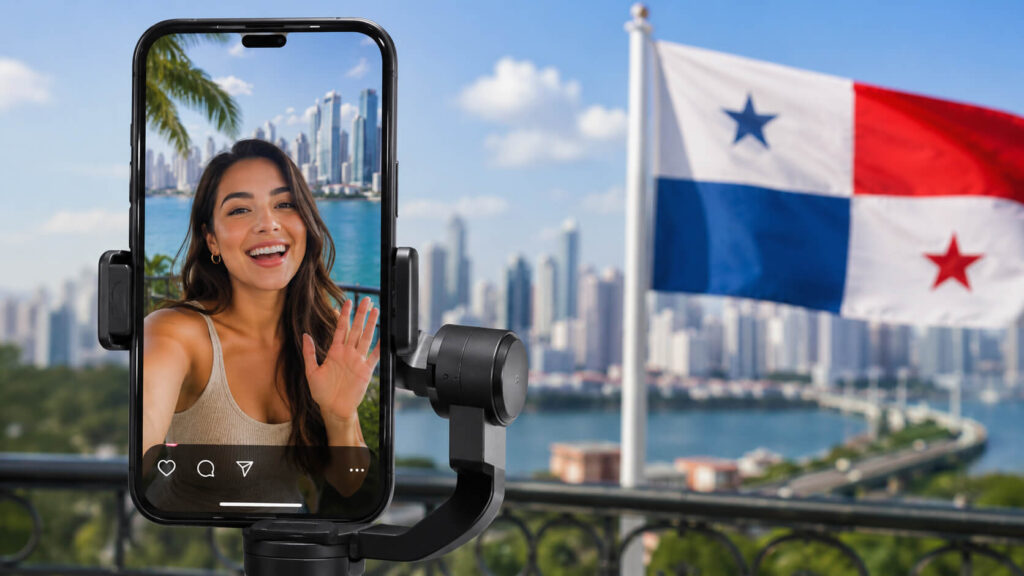
Panama wants influencers to be clearer about what is an honest recommendation and what is actually an advertisement. The proposed Panama influencer disclosure bill aims to address this issue and set new standards for transparency.
A proposed law introduced in the country’s National Assembly would require social media influencers and digital content creators to identify commercial posts instead of presenting them as ordinary opinions. That includes the obvious paid campaign, but it may also cover gifted products, sales commissions and other arrangements that are not always visible to followers.
The proposal is still in its early stages. Nothing changes overnight. Even so, it highlights a familiar problem in influencer marketing: brands and creators can make a sponsored post look almost identical to a personal recommendation when they keep the commercial relationship in the background.
Panama Wants Paid Influencer Content to Look Like Advertising
Deputy Walkiria Chandler D’Orcy presented the proposal to Panama’s National Assembly in July 2026. The measure would regulate commercial advertising published by creators across digital content platforms and social networks.
The idea is fairly direct. If money, free products, commissions, or contracts influence a creator’s post, the creator should tell the audience.
That distinction can become blurry on Instagram, TikTok, YouTube and other creator-led platforms. A creator may enthusiastically recommend a hotel, skincare product or online service without making it obvious that the brand paid for the exposure. The post feels personal. The business relationship stays hidden.
Chandler argued that followers may think they are hearing an independent opinion when they are actually watching advertising without proper disclosure. Panama’s National Assembly said the proposal seeks to regulate commercial promotion shared by digital creators and amend the country’s existing consumer protection law.
The Rules Could Cover More Than Direct Payments
Cash payments are only one part of modern influencer marketing.
Creators may receive free meals, hotel stays, event tickets, clothing, electronics or early access to products. Affiliate arrangements add another layer, giving influencers a commission whenever someone purchases through a link or promotional code.
Under the proposed measure, creators may also need to disclose those relationships.
That matters because creators often treat “gifted” content more casually than a traditional sponsored campaign, even when the product or experience carries real value. For the audience, though, the core question does not change: did the creator receive something that may have influenced the recommendation?
The proposed rules aim to make that answer easier to find. Creators would need to clearly identify commercial content instead of hiding it behind vague wording or leaving the arrangement unexplained.
Younger Social Media Users Are a Major Part of the Debate
The proposal places particular attention on children and teenagers.
Younger audiences spend plenty of time watching creators, but they may not immediately recognize the difference between entertainment, personal advice and advertising. A creator casually holding a product or praising a service can feel more believable than a conventional commercial. That is exactly why brands work with influencers.
The same trust that makes creator marketing effective can also create a transparency problem.
Chandler said lawmakers need stronger protections because minors may struggle to separate genuine recommendations from paid promotions. Supporters are framing the bill as more than a rule for brands or influencers. They also see it as a consumer protection measure for audiences who may not fully understand how creator partnerships work.
Panama Already Has Consumer Advertising Rules
The proposal is connected to Panama’s Law 45 of 2007, which established rules on consumer protection and the defense of competition.
That law already deals with advertising and the responsibility to avoid misleading consumers. The new proposal would apply those principles more directly to creators and social media promotions, where the line between personality-driven content and advertising is often harder to see.
This is an important detail. Panama is not trying to invent an entirely separate internet for influencers. The proposal appears to treat creator advertising as advertising, even when it arrives through a personal account rather than a television commercial, website banner or printed campaign.
The country’s judiciary identifies Law 45 as its central legislation covering consumer protection and competition. The influencer proposal would modify part of that existing legal framework rather than build a new regulatory system from scratch.
The Bill Is Still Far From Becoming Law
Creators and agencies should not treat the proposal as an active requirement just yet.
The measure has been presented to the National Assembly, but it still needs to move through Panama’s legislative process. Committee discussions, legislative votes and possible revisions may change its wording before it has any chance of becoming law.
Several practical questions also remain unanswered.
The publicly available information does not yet confirm the exact labels creators would need to use, whether disclosures must appear at the beginning of captions or videos, what penalties could apply, or when the rules would take effect. There is also no confirmed implementation timeline.
So, no, Panama has not suddenly started fining influencers for forgetting an #ad label. The proposal is an opening move. What comes next will decide whether it becomes a working law, a heavily revised measure or another bill that never makes it beyond the early stages.
Brands May Need to Take More Responsibility Too
The immediate headlines focus on influencers, but brands and marketing agencies would have plenty to think about if the bill moves forward.
Disclosure rules are rarely just a creator problem. Campaign briefs, contracts and approval processes may need to spell out how sponsored relationships are communicated. Brands could also face reputational damage when a creator fails to disclose a partnership, even when the legal responsibility falls mainly on the person publishing the content.
Clearer disclosure does not necessarily weaken influencer marketing. In some cases, it may help.
Audiences already know creators make money from sponsorships. The bigger issue is feeling tricked. A visible disclosure gives followers context before they decide whether to trust a recommendation, click a link or make a purchase.
That may remove some of the illusion. It could also make the relationship more honest.
Influencer Marketing Regulation Is Getting Harder to Ignore
Panama’s proposal reflects a wider shift in how governments view the creator economy.
Influencer marketing is no longer a small side channel where brands send free products and hope for a mention. It is a serious advertising business built around trust, personality and direct access to audiences. That growth brings more scrutiny.
The old excuse that social media content is too informal to regulate is becoming less convincing. A paid recommendation does not stop being an advertisement because it was filmed in a bedroom, posted as a Reel or delivered through a creator’s daily vlog.
For creators, disclosure may become a more routine part of publishing. For brands, transparency may have to be designed into campaigns from the beginning rather than added after someone raises a complaint.
Panama’s bill is not law yet. It is still worth watching.
The proposal makes one thing clear: creator advertising is being treated less like casual online chatter and more like the commercial industry it has already become.