


Key Takeaways
- Malaysia Influencer Marketing has become essential in digital advertising, focusing on authenticity and effective data practices.
- Brands increasingly turn to micro- and nano-influencers for genuine engagement, shifting away from just broad reach.
- Regulations like the Personal Data Protection Act 2010 impact how Malaysia Influencer Marketing strategies are formed and executed.
- Transparency and compliance are gaining importance, promoting trust between brands, creators, and consumers.
- Future guidelines may improve ethical standards in Malaysia Influencer Marketing, but specific compliance details and market impact remain unclear.
What happened
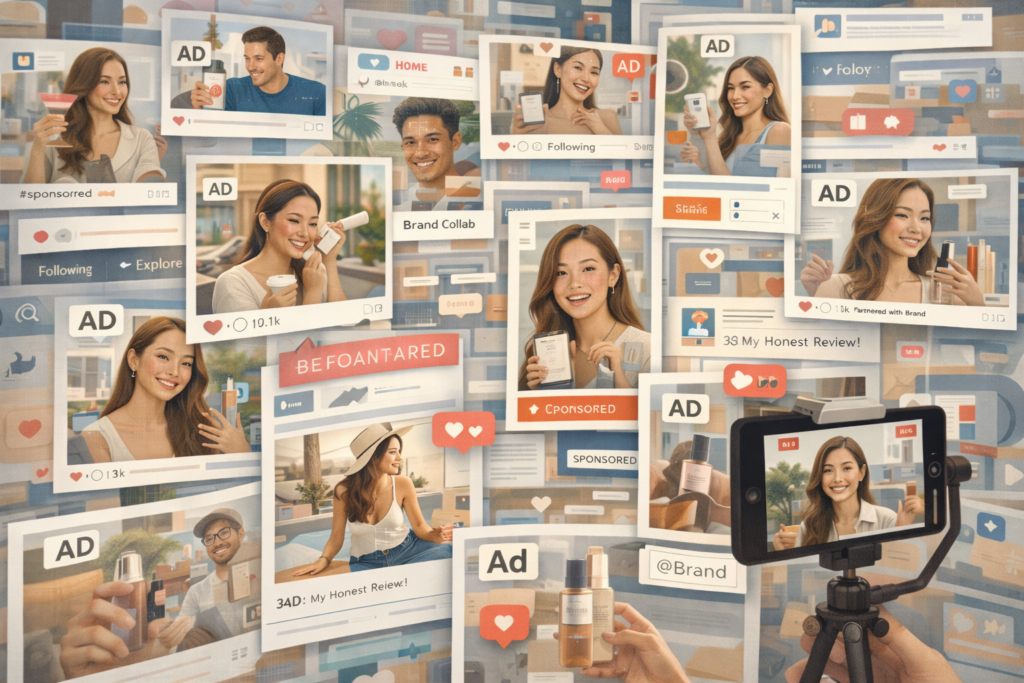
Influencer marketing in Malaysia is no longer experimental—it has become a core part of how brands reach consumers online. A recent The Edge Malaysia commentary highlights how businesses are increasingly investing in creator-led campaigns, driven by high social media usage and shifting consumer behavior. As such, the Marketing scene is growing rapidly.
But as the space matures, the conversation is moving beyond follower counts and reach. The focus is now turning toward authenticity, proper disclosure, and responsible data practices—factors that could determine the industry’s long-term credibility.
Why it matters
The rise of influencer marketing is reshaping digital advertising in Malaysia, influencing how brands allocate budgets and how consumers discover products. However, rapid growth has also exposed gaps, particularly in practices unique to marketing strategies.
Undisclosed paid promotions risk eroding consumer trust, while poor data handling could raise compliance issues under Malaysia’s Personal Data Protection Act (PDPA). At the same time, brands must navigate Malaysia’s culturally and linguistically diverse audience—where messaging that works in one segment may not resonate in another.
As regulators and industry bodies move toward clearer guidelines, trust and transparency are becoming competitive advantages, not just compliance requirements. In the context of Malaysia Influencer Marketing, clear guidance helps both brands and creators operate with greater confidence.
A shift toward authenticity and smaller creators
One of the clearest trends highlighted is the growing importance of micro- and nano-influencers. Unlike large celebrity accounts, these creators often have smaller but more engaged audiences, making their recommendations feel more personal and credible. This phenomenon is particularly significant for Influencer Marketing efforts in Malaysia.
For brands, this signals a shift from broad exposure to targeted influence—prioritizing engagement quality over sheer reach.
However, this also raises the bar for content quality. Audiences are becoming more sensitive to overly scripted or insincere promotions, pushing brands and creators to strike a balance between marketing goals and genuine storytelling as part of marketing campaigns.
Regulation and transparency come into focus
Malaysia already has frameworks that apply to influencer activity, even if they were not originally designed for it. Notably, such regulations affect the marketing landscape and set guidance for best practices.
The Personal Data Protection Act 2010 governs how personal data is collected and used, while the Malaysian Communications and Multimedia Content Code outlines expectations for advertising standards—including clear disclosure of sponsored content.
Industry groups are also working toward more specific influencer guidelines, which could introduce clearer rules around labeling paid partnerships and protecting consumers from misleading content—an important development for Malaysia Influencer Marketing professionals.
These developments suggest that influencer marketing is entering a more structured phase—where compliance and ethics play a bigger role in campaign planning for brands engaged in Malaysia Influencer Marketing.
What’s confirmed
- Influencer marketing is now an established part of Malaysia’s digital economy. This further elevates the role of Malaysia Influencer Marketing in business planning.
- Brands are increasingly turning to micro- and nano-influencers for stronger engagement.
- Key challenges include authenticity, market saturation, and audience trust.
- Malaysia’s Personal Data Protection Act 2010 governs data use in digital campaigns, which directly impacts Malaysia Influencer Marketing approaches.
- The Content Code requires clear disclosure of sponsored or paid content.
- New influencer-focused guidelines are being explored to improve transparency and accountability, especially within Malaysia Influencer Marketing initiatives.
What’s unclear
- No recent market size or spending figures were provided for Malaysia’s influencer sector, making Malaysia Influencer Marketing’s overall impact more difficult to quantify.
- There are no specific examples of enforcement actions or compliance breaches.
- The timeline for new influencer-specific regulations remains uncertain. The future of Malaysia Influencer Marketing could depend on how quickly these changes come into effect.
- The scale of undisclosed advertising or data misuse in the industry is not quantified.
Sources
- Original article: https://theedgemalaysia.com/node/799331
- Personal Data Protection Act 2010: https://www.pdp.gov.my/ppdpv1/en/akta/pdp-act-2010-en/
- Malaysian Communications and Multimedia Content Code: https://contentforum.my/wp-content/uploads/2022/08/Content-Code-2022.pdf
- Content Forum announcement on influencer guidelines: https://contentforum.my/content-forum-backs-proposed-influencer-code-of-ethics-new-guidelines-and-certification-to-set-national-benchmark/. All of these are useful resources for those interested in Malaysia Influencer Marketing.