


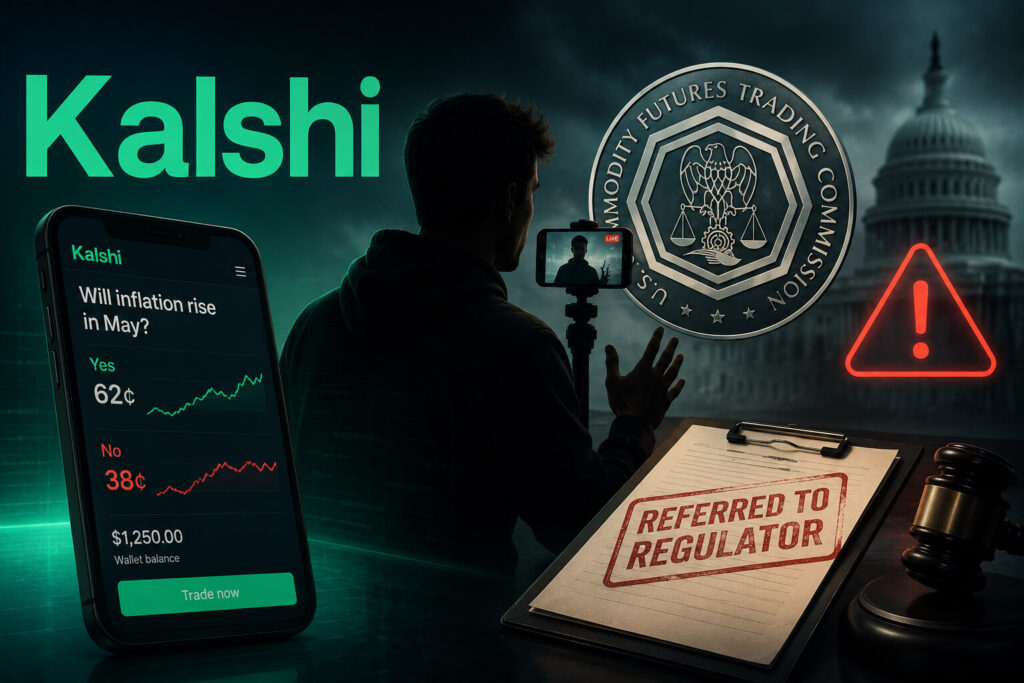
Kalshi, a platform for prediction markets where users can bet on the results of real-world events, is facing potential regulatory scrutiny. This comes after an advertising watchdog voiced concerns about disclosures on influencer and affiliate marketing.
The case underscores a growing problem in the creator economy: brands wanting to work with influencers, affiliates and social media personalities need to make sure paid relationships are clearly disclosed. For creators, marketers, and platforms, the development is another reminder. Influencer campaigns are not just a branding tool — they are also a compliance responsibility.
NAD Inquiry Focused on Kalshi Influencer Advertising Disclosures
The National Advertising Division, also known as NAD, said it will refer Kalshi to appropriate regulatory authorities. This is because the company declined to participate in an advertising inquiry.
According to the report, the inquiry was opened through NAD’s marketplace monitoring program and centered on social media advertising connected to Kalshi. The key issue was whether influencers or affiliates promoting Kalshi properly disclosed their material connection to the company.
In influencer marketing, a “material connection” can include payment, affiliate commissions, free products, business relationships, or any other benefit that could affect how audiences view an endorsement. Under FTC endorsement guidance, those relationships should be disclosed clearly. This helps viewers understand when content is sponsored, paid, or otherwise connected to a brand.
NAD also examined whether Kalshi had adequate systems in place to help ensure that influencer and affiliate content complied with FTC endorsement rules.
Kalshi Declined to Participate in the Self-Regulatory Process
NAD said Kalshi declined to participate in the self-regulatory process. As a result, officials will refer the matter to relevant regulatory authorities, including state attorneys general, for possible review and enforcement action.
The organization also said it would report the matter to platforms where the advertising appeared, where NAD has reporting relationships.
This does not mean regulators have already taken enforcement action against Kalshi. But a referral can bring increased scrutiny and put pressure on the company, its marketing partners and those who create promotional campaigns.
Why This Matters to Influencers and Creator Marketing
This case is important to creators because it demonstrates that disclosure issues are not restricted to beauty, fashion, wellness or lifestyle campaigns. Influencer advertising rules are applicable to financial products, prediction markets, sports-adjacent content, entertainment markets and other emerging digital platforms, too.
Kalshi operates a prediction market where users can take positions on whether specific events will happen. Its markets have included topics tied to politics, economics, entertainment, weather, and sports-adjacent outcomes.
Because these products can involve money, risk, and highly persuasive social media messaging, disclosure practices may receive closer attention from regulators and advertising watchdogs.
FTC Disclosure Rules Remain a Key Concern
The FTC has long stated that influencers should disclose relationships with brands when making endorsements. The disclosure should be easy to see, easy to understand and placed where people are likely to notice it.
For example, creators should not simply bury a disclosure in a caption, use ambiguous language, or rely on vague tags. They should make the relationship clear when people see the endorsement, especially in short-form videos, livestreams, stories, and affiliate-driven posts.
Brands also have responsibilities. Companies that hire influencers or run affiliate programs should provide guidance, monitor sponsored content, and correct unclear disclosures.
That is why the Kalshi case is notable. NAD’s inquiry was not only about whether individual influencers disclosed their relationship with the company. It also looked at whether Kalshi had taken proper steps to support compliance across its influencer advertising.
Creator Economy Takeaway: Disclosure Is Now a Brand Safety Issue
Influencer marketing has become a major growth channel for startups, apps, fintech brands, gaming companies, and creator-led platforms. But as paid creator campaigns expand, regulators are paying closer attention to whether audiences can clearly tell when content is advertising.
For creators, the safest approach is to be direct. If a post is sponsored, paid, commissioned, or part of an affiliate relationship, the disclosure should be clear from the start.
Brands need to embed influencer compliance into every campaign. That means written creator guidelines, review processes, monitoring, documentation and quick fixes when disclosures are missing or unclear.
The Kalshi referral shows that influencer advertising is no longer just about reach and engagement. Transparency, consumer trust and regulatory compliance have now become key elements of the creator marketing strategy.
What Happens Next?
The matter now moves into the hands of regulators and relevant authorities. It remains to be seen whether any enforcement action will follow.
But there’s a clear message for the influencer marketing industry: Brands can’t treat disclosure as optional, and creators shouldn’t assume that casual or hidden sponsorship language is sufficient.
As creator-led advertising continues to shape how audiences discover new platforms and products, clear disclosure is becoming one of the most important standards in the business.