


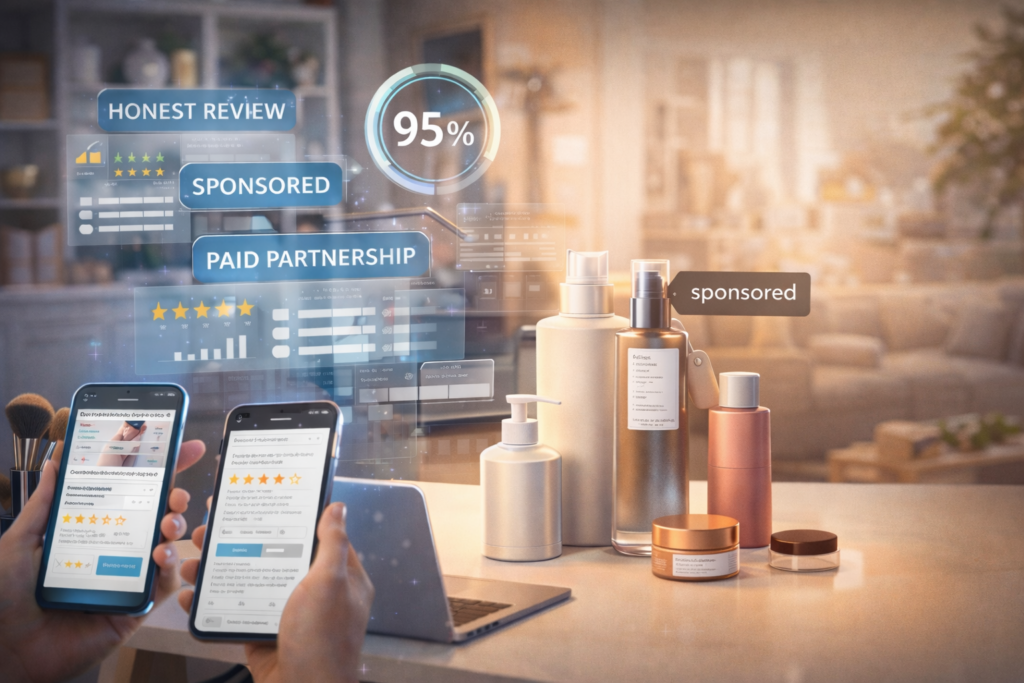
Key Takeaways
- Influencer retail marketing authenticity builds consumer trust through transparency and relatable content.
- Consumers prefer honest experiences from creators over traditional ads, prompting brands to prioritize authenticity.
- Brands lean into creator partnerships for personalized marketing, reaching niche audiences effectively.
- Authenticity is becoming a competitive advantage in retail marketing, leading to stronger relationships between brands and consumers.
- As this trend grows, both creators and retailers will enhance their influence and value in the market.
Influencer retail marketing authenticity is becoming a key driver of consumer trust, as brands and creators prioritize transparency to connect with modern shoppers.
The Rise of Authentic Influencer Retail Marketing
The rise of authentic influencer retail marketing reflects a shift in consumer expectations, where audiences now prefer honest, relatable content over traditional polished ads. Shoppers increasingly rely on creators who share real experiences and genuine product use, pushing brands to rethink their strategies and prioritize authenticity in every campaign.
How Influencer Retail Marketing Authenticity Builds Trust
How influencer retail marketing authenticity builds trust is rooted in transparency and credibility, as audiences engage more with influencers who openly disclose partnerships and provide honest opinions. This approach strengthens long-term relationships, making recommendations feel more like trusted advice than advertising, which ultimately leads to stronger engagement and better conversion outcomes for brands.
Why Retail Brands Are Leaning Into Creator Partnerships
Why retail brands are leaning into creator partnerships is driven by the need for more personalized and relevant marketing, allowing brands to reach niche communities through voices that audiences already trust. Creators enable storytelling that shows products in real-life contexts, making campaigns more relatable and effective compared to traditional retail advertising methods.
What This Means for the Future of Retail Marketing
What this means for the future of retail marketing is a continued focus on trust, transparency, and creator-led strategies, where authenticity becomes a competitive advantage. Brands that embrace honest partnerships will stand out, while creators who maintain credibility will continue to grow their influence and value in the evolving retail landscape.
Conclusion:
Influencer retail marketing authenticity is redefining how brands connect with consumers by emphasizing trust and transparency. As this trend continues, both creators and retailers can build stronger relationships that drive meaningful results.
Stay updated for more creator economy and retail marketing insights.