


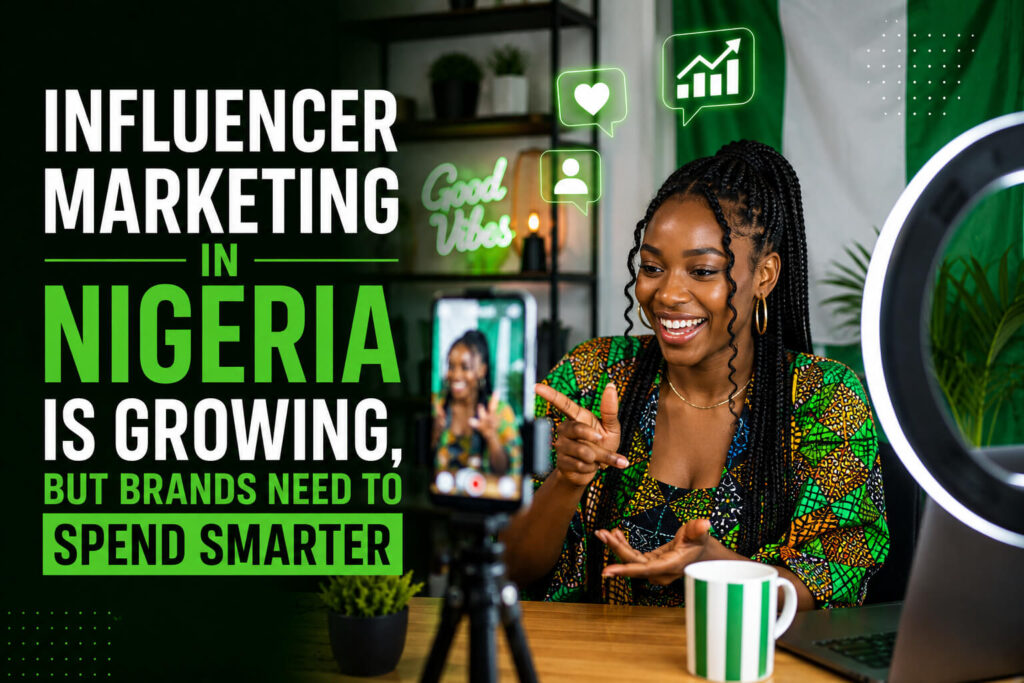
Influencer marketing in Nigeria is no longer a small side experiment for brands. It has become one of the fastest ways for businesses to reach customers across Instagram, TikTok, X, and YouTube. Fashion brands use it. Food vendors use it. Fintech companies use it. Real estate marketers use it too.
The promise is simple enough. Find a creator, pay for content, get attention.
Except it is not always that clean.
A creator with a huge following can still deliver poor results. A smaller influencer can sometimes move more products than a celebrity account. A campaign can look loud online and still fail to bring sales, sign-ups, leads, or real customer interest.
That is the part many brands learn late, usually after spending money.
Big Followers Do Not Always Mean Big Results
The first mistake is easy to understand. A brand sees one million followers and assumes the campaign will work.
It might. It might not.
Follower count looks good on a media kit, but engagement tells a better story. Are people commenting naturally? Are they asking questions? Are they sharing the posts? Do the comments look real, or do they feel like empty reactions?
In Nigeria’s creator market, smaller influencers with loyal communities can sometimes deliver stronger results than bigger names. The audience may be smaller, but the trust is often tighter. That matters when the goal is not just visibility, but action.
Audience Fit Matters More Than Popularity
The best influencer is not always the most famous one. It is the one whose audience actually matches the brand’s customers.
A skincare brand may get better value from a beauty creator than from a general lifestyle celebrity. A fintech app may perform better with a finance educator, student money creator, or small business content creator. A food brand may need someone whose followers actually live in the delivery area.
This sounds obvious, but many campaigns still miss it.
The wrong creator can bring views from people who were never going to buy in the first place. Nice numbers. Weak business impact.
Natural Content Usually Wins
People follow creators because they like their voice, their humor, their taste, or their everyday style. When a brand forces a stiff script into that space, the audience notices immediately.
That is why overly polished influencer ads can feel strange. Too clean. Too sales-heavy. Too far away from what the creator normally posts.
Better campaigns usually give creators room to make the content feel like their own. The brand message still matters, of course. But the delivery should not sound like it came straight from a corporate flyer.
Influencer marketing works best when the recommendation feels believable.
Brands Should Know the Goal Before Paying
Not every influencer campaign should be judged by sales.
Some campaigns are for awareness. Some are for website traffic. Some are for app downloads, event sign-ups, product enquiries, or store visits. The problem starts when a brand launches a campaign without knowing what success should look like.
Before spending, brands need to decide the goal.
Is the campaign meant to introduce the brand? Push a discount code? Build trust? Generate leads? Sell a specific product?
Without that clarity, everyone ends up arguing over likes and views after the campaign is already finished.
Likes Are Not the Whole Story
A post can get thousands of likes and still fail.
That is uncomfortable, but true.
Brands should look beyond surface engagement and track the numbers that connect to business results. Website visits, enquiries, conversions, sales, promo code usage, app installs, bookings, and ROI tell a clearer story than likes alone.
Influencer marketing in Nigeria is becoming more serious. That means brands also need to treat measurement seriously. A campaign should not just “trend.” It should do something useful.
Long-Term Creator Partnerships Can Build More Trust
One sponsored post can create attention. But long-term partnerships often feel more convincing.
When people see a creator use or talk about a product repeatedly over time, the recommendation can feel less random. It starts to look like a real relationship, not just a paid mention that appeared once and disappeared.
This is especially important for products that need trust: finance apps, skincare, health-related products, education platforms, real estate, and subscription services.
One post may start the conversation. Consistency usually does the heavier work.
Transparency Is Now Part of the Brand Image
Audiences are not as naive as some marketers think. Many people can tell when a post is sponsored, even when it is not clearly disclosed.
That is why transparency matters.
Creators and brands should be clear about paid partnerships. It protects trust. It also makes the campaign look more professional. Hidden ads can damage both sides, especially when followers feel misled.
In influencer marketing, credibility is part of the product.
Nigerian Brands Are Still Learning How to Spend Well
Influencer marketing in Nigeria is not the problem. Poor planning is.
The channel can work. It can drive awareness, sales, downloads, and brand credibility. But only when brands choose creators carefully, understand the audience, set clear goals, allow authentic content, and measure actual results.
The smartest brands will not just chase the biggest accounts. They will chase the right fit.
That is where the real value is.