

Key Takeaways
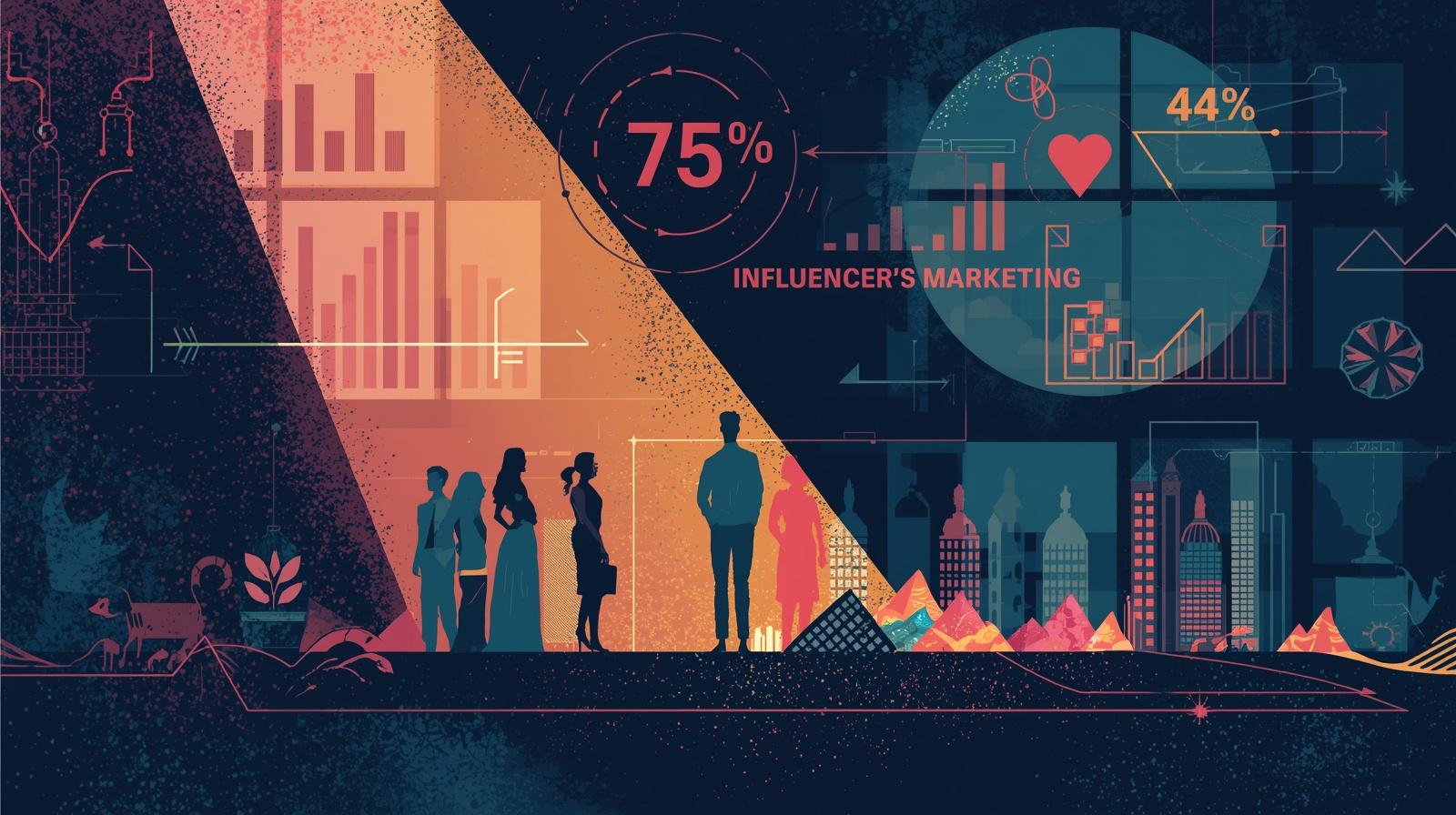
- India’s influencer marketing faces a transparency crisis, with 75% of campaigns lacking visibility and accountability.
- The reliance on informal agreements and manual coordination hinders campaign performance measurement.
- Brands risk wasting money on ineffective campaigns due to inconsistent tracking and poor reporting.
- Creators struggle with undervalued work and difficulty forming long-term partnerships in an unstructured environment.
- The industry needs to adopt better tech, standardize practices, and focus on ethical guidelines for sustainable growth.
The growing concern around India’s influencer marketing transparency crisis is hard to ignore, especially after reports revealed that nearly 75% of campaigns operate without clear visibility or accountability.
The hidden side of influencer marketing in India
India’s creator economy is booming, but there’s a less visible side to that growth. A large chunk of influencer marketing is still happening behind the scenes, with very little structure in place.
In many cases, brands don’t have a clear view of how campaigns are actually performing. Tracking is inconsistent, reporting can be vague, and partnerships are often managed without standardized systems.
As the industry expands, this lack of clarity is becoming a bigger problem that can’t be brushed aside.
What’s really causing the transparency issue
This isn’t just about missing data. It points to a deeper issue in how influencer marketing is set up in India.
A lot of campaigns still rely on informal agreements, manual coordination, and scattered communication between brands, agencies, and creators. That kind of setup makes it difficult to maintain consistency or accountability.
The result is messy. Brands struggle to measure ROI, pricing varies widely, and creators are sometimes left dealing with delayed payments or unclear expectations.
Without better systems in place, scaling campaigns becomes risky for everyone involved.
Why this matters for brands and creators
For brands, the risks are obvious. Money can be wasted on campaigns that don’t deliver, simply because there’s no reliable way to track results or optimize performance.
Creators feel the impact too. When there’s no structure, their work can be undervalued, and long-term partnerships become harder to build.
As the space matures, both sides are starting to push for more transparency, better tools, and clearer agreements.
A shift toward transparency
The industry seems to be at a turning point. There’s growing pressure to adopt better tech platforms, standardize pricing, and improve reporting practices.
There’s also a stronger focus on ethical guidelines and proper disclosure, which could help bring more trust into the ecosystem.
Solving this transparency issue will take effort from everyone involved, from brands and agencies to platforms and creators themselves.
Conclusion
India’s influencer marketing industry is growing fast, but it still has some foundational gaps to fix. Building a more transparent system will be key to making that growth sustainable.
