


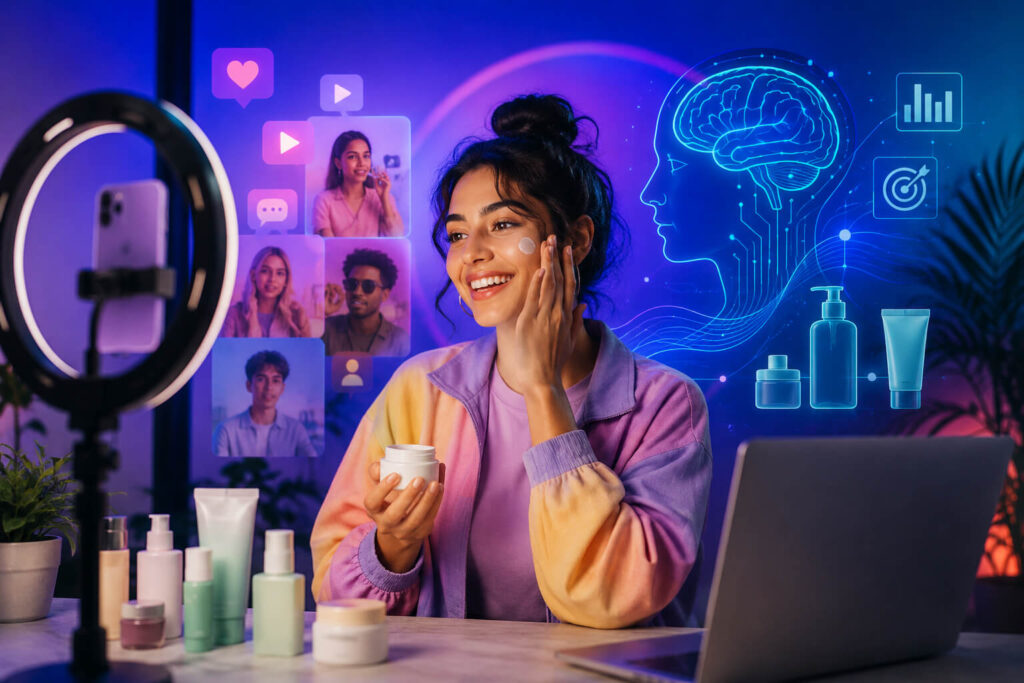
In anticipation of capturing young consumers’ attention online, HUL is doubling down on its creators marketing and AI-powered campaigns to connect better with Gen Z consumers. At the heart of these efforts is the HUL Gen Z creator strategy, which aims to engage this key audience in innovative ways.
India’s FMCG major Hindustan Unilever Limited (HUL) is actively changing the way it approaches marketing amid the rise of digital creators and Gen Z’s impact on the world’s attention economy. Notably, the HUL Gen Z creator strategy is driving much of this transformation.
From Dove and Surf Excel to Lux and Closeup, HUL will be moving away from mass-advertising and concentrating more on creators marketing and digital storytelling as outlined by the HUL Gen Z creator strategy.
Why Does HUL Prioritize Creators Marketing?
According to the reports, Hindustan Unilever Limited is aggressively working on its creator ecosystem to improve its relationship with younger consumers.
The company is implementing the following creator strategies:
- Engaging with around 30,000 creators
- Building micro- and regional influencers partnership
- Investing in AI-driven campaigns
- Shifting media spending from offline to digital platforms
Such strategies show how major global brands change their marketing efforts to engage audiences that no longer relate to mass-marketing campaigns.
Gen Z Shapes a Whole New Approach to Marketing Campaigns
Young consumers are forcing brands to adopt a completely new marketing playbook to reach younger audiences online.
Today, Gen Z prefers to watch:
- Short-form videos from creators
- UGC
- Interactive content on social media
And, according to some experts, Gen Z consumers are highly resistant to any scripted form of advertising.
Therefore, in order to communicate with younger audiences, brands will need to abandon traditional marketing strategies and move their messaging online to where their target groups spend most of their time – TikTok, Instagram Reels, YouTube Shorts, and other social platforms. Clearly, the HUL Gen Z creator strategy is designed for success in these digital spaces.
AI Becomes an Integral Part of Brand Marketing Strategies
In addition to creators marketing, HUL will also double-down on artificial intelligence campaigns to boost engagement and improve its content. It seems that the FMCG major will experiment with AI-led campaigns for Closeup.
AI technologies help brands to:
- Personalize content for their target demographics
- Improve and optimize influencer marketing campaigns in real-time
- Analyze performance metrics and engagement of creators
- Scale digital marketing campaigns quicker and less costly
This combo of creators and AI marketing will likely become one of the major trends in brand marketing.
The Rise of Creator-First Campaigns in Brand Marketing
HUL’s creator-focused approach shows the rapid development of the creator economy in global advertising.
Nowadays, brands not only market themselves but also collaborate with creators who already have established connections with their communities.
The experts claim that compared to traditional advertising campaigns, creator-led ones generate much higher engagement rates, are more relatable and more effective at reaching niche communities.
Particularly, micro-creators are gaining traction since they have closer ties with their followers.
Social Media Becomes One of the Main Product Discovery Engines
Younger generations no longer discover products through TV commercials or celebrity endorsements. Social media are now among the primary channels used for discovering products and services. And influencer content is playing a critical role there.
Thus, it has become clear that brands need to reconsider their media strategies. Now, brands need to focus on engaging audiences rather than just trying to push their messages. They should:
- Collaborate with creators rather than investing into traditional ad campaigns
- Listen to what creators are saying in comment sections about their products
- Pay more attention to community engagement
HUL’s investment in creators and AI technologies is showing us how legacy brands adapt to changes in the advertising landscape. In summary, brands looking to reach Gen Z should consider adopting the HUL Gen Z creator strategy for greater effectiveness.
Conclusion
HUL’s expansion to 30,000 creators is signaling a major change in the way consumer brands are approaching marketing in 2026.
By integrating creators marketing and AI-powered campaigns, the FMCG major aims to build a comprehensive strategy specifically tailored to Gen Z consumers who care more about culture and digital engagement than traditional advertising.