


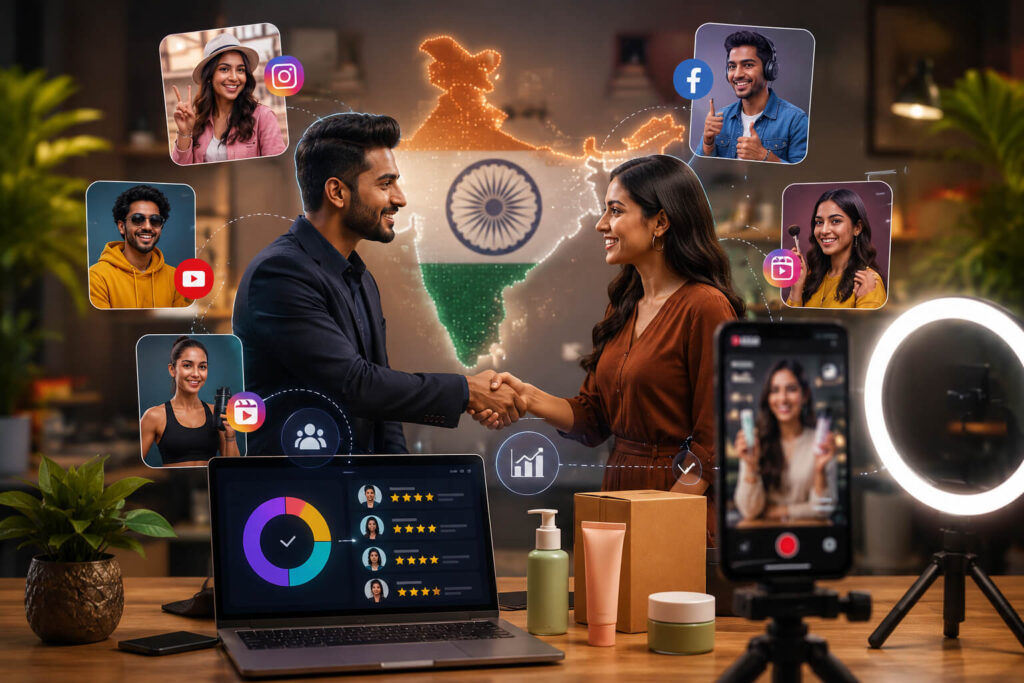
Brandshark has launched NeedInfluencer, a new influencer marketing marketplace aimed at making creator campaigns easier to manage for Indian brands.
The Bengaluru-based digital marketing agency says the platform combines creator discovery with hands-on campaign management. Rather than leaving brands to work through influencer databases, outreach, negotiations and reporting on their own, it offers a managed solution. NeedInfluencer is backed by a network of more than 5,000 creators across categories. These include fashion, beauty, technology, gaming, fitness, food, lifestyle, parenting and travel.
NeedInfluencer Wants to Solve the Part After Creator Discovery
Finding influencers isn’t particularly difficult anymore. However, finding the right ones — then getting a campaign through briefing, negotiations, approvals, publishing and reporting without everything becoming messy — is another story.
That appears to be the gap Brandshark is targeting with NeedInfluencer. The platform matches creators using factors such as audience relevance, content quality and campaign objectives. Meanwhile, Brandshark’s team stays involved in campaign execution. The idea is less “here’s a searchable influencer directory” and more “here’s a marketplace with people actually helping run the campaign.”
Brandshark founder Ankur said the influencer marketing channel has matured. Yet the way many brands manage creator campaigns hasn’t necessarily kept pace. The company’s pitch is that better creator selection needs to be paired with structured execution and reporting tied to business outcomes.
More Than 5,000 Creators Are Already in the Network
NeedInfluencer launches with access to more than 5,000 creators. This gives brands a fairly broad pool to work with from the start.
The network covers several of the categories that attract the most creator marketing spend, including fashion, beauty, lifestyle, fitness, food, travel and technology. Parenting and gaming creators are included too.
But sheer creator numbers aren’t really the point of the service. Brandshark is positioning the platform around matching instead — looking at whether a creator’s audience and style make sense for a particular campaign. Rather than treating follower count as the main deciding factor, the platform uses relevance and fit.
Influencer Marketing, UGC and Meme Marketing Sit Under One Platform
Interestingly, NeedInfluencer isn’t limited to conventional sponsored influencer campaigns.
Its influencer marketing service covers creator discovery, shortlisting, outreach, negotiations, campaign planning, content approvals, publishing schedules and performance reporting.
There is also a dedicated UGC marketing offering. Brands can use the platform to find user-generated content creators who produce assets for organic posts or paid advertising. That distinction matters because UGC creators don’t necessarily need large audiences. In many cases, the content itself is what the brand is buying.
NeedInfluencer also includes meme marketing, with services covering trend research, creative concepts and partnerships with meme creators and community pages. It’s a slightly different corner of creator marketing. However, it’s one that has become hard for consumer brands to ignore when internet culture moves faster than traditional campaign calendars.
Brandshark Is Making Campaign Management Part of the Product
Plenty of influencer platforms stop once the introduction has been made.
NeedInfluencer is taking a more managed approach.
According to Brandshark, its team can remain involved from the initial creator selection through outreach, content approvals, campaign deliverables and measurement. That makes the platform closer to a hybrid of marketplace, influencer agency and campaign management service.
For brands without a large in-house influencer marketing team, that could be the more interesting part of the launch. Access to thousands of creators is useful. In addition, having someone deal with the dozens of small moving pieces that come after the shortlist is often what keeps a campaign from becoming a headache.
Brandshark Points to Previous Creator Campaign Results
Brandshark is also using results from previous influencer campaigns to show the experience sitting behind NeedInfluencer.
One health and wellness campaign promoting a protein supplement reportedly generated 2.7 million in reach and more than 10,500 engagements, using fitness, lifestyle and travel creators.
A campaign for a heritage fashion brand reached more than 24 lakh people and recorded a 1.2% average engagement rate. More than 10 fashion, lifestyle and celebrity creators participated in this campaign.
Another campaign for a home water filtration brand generated more than 24 million in reach, with an average engagement rate of 1.8%, according to figures shared by the company.
Those numbers come from Brandshark’s own campaign examples, so they shouldn’t be treated as independent performance benchmarks. Nevertheless, they do show what the company wants NeedInfluencer to be associated with: not merely finding creators, but carrying campaigns through to measurable results.
Influencer Marketplaces Are Shifting Toward Managed Services
NeedInfluencer’s launch points to a wider change happening in creator marketing.
The first generation of influencer platforms focused heavily on discovery. Give marketers a database, add filters for niche, follower count and geography, and let the brand take it from there.
That model doesn’t remove much of the operational work.
Brands still need to negotiate pricing, brief creators, chase deadlines, approve content, track posts and figure out whether the campaign actually did anything useful.
NeedInfluencer is betting that brands increasingly want those pieces bundled together. The marketplace is still there, but it isn’t being sold as the entire solution.
What the NeedInfluencer Launch Means for Indian Brands and Creators
For brands, more competition between influencer marketing platforms could mean better creator discovery tools and more flexible ways to run campaigns. This could help run campaigns without building large internal teams.
For creators, marketplaces like NeedInfluencer provide another route into paid partnerships beyond direct outreach, agencies and inbound brand requests.
The more interesting question will be how selective the matching process becomes as the platform grows. A network of 5,000 creators is already substantial. Maintaining campaign relevance as that number climbs is harder.
For now, Brandshark appears to be deliberately putting campaign execution at the center of its pitch.
NeedInfluencer is live, with brands able to browse creators, review campaign case studies and request customized influencer marketing plans through the platform.