


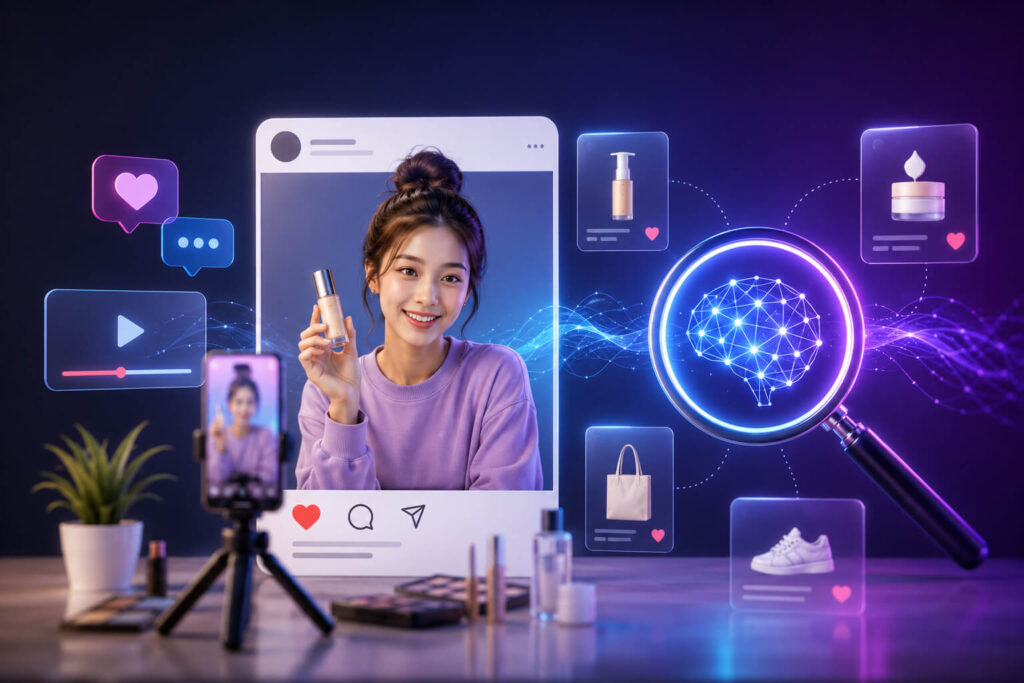
Influencer marketing is no longer just about brand awareness. New data from Statusphere suggests that creator content is becoming a key part of how brands compete for visibility in social search, AI search, and product discovery.
According to Statusphere’s annual report, The State of Micro-Influencer Marketing in 2026, enterprise brands more than doubled their social SEO-focused creator campaigns in 2025 compared with previous years. The company analyzed more than 68,000 creator posts from 2024 and 2025 to identify how influencer marketing strategies are changing.
The shift comes as AI answer engines such as ChatGPT, Claude, Gemini, and Perplexity influence how consumers find product recommendations online. Instead of relying only on traditional search results, brands are now using influencer content as a long-term discovery asset.
Social SEO Becomes a Fast-Growing Creator Campaign Goal
One of the biggest findings from Statusphere’s report is the rapid rise of social SEO. Enterprise brands executed 153% more social SEO-focused creator campaigns in 2025 than in 2024.
Brand awareness may still be marketers’ top goal, but the rise of social SEO shows brands are thinking differently about creator content. Influencer posts are increasingly being used to help products appear in search-driven and AI-driven discovery environments.
This means creator content is not only valuable when it first goes live. A TikTok, Instagram Reel, YouTube Short, or Pinterest post can continue helping a brand get discovered long after the initial campaign ends.
Micro-Influencers Are Becoming Product Discovery Assets
Micro-influencer content is especially important because it feels more human, specific, and experience-based than traditional advertising. As AI tools summarize information for consumers, authentic creator posts may become part of the content ecosystem that helps answer product-related questions.
Statusphere CEO and founder Kristen Wiley said brands are treating micro-influencer content as a long-term discovery asset, especially as AI answer engines surface products for consumers.
For brands, this creates a major opportunity. Companies can also leverage creator content to ensure ongoing visibility across social platforms, retail channels, and search environments, rather than relying solely on one-off influencer campaigns.
In-Store Creator Content Creates More Engagement
The report also found that creator posts featuring in-store retail moments create more engagement. According to Statusphere, posts with in-store retail context garnered 118 more engagements per 100,000 views than posts without retail context.
This suggests that shoppers respond strongly to creator content that is close to the real-life shopping experience. Videos that show products on shelves, in stores or on a real-life shopping trip can make brand content feel more practical and relatable.
This could make retail-focused influencer campaigns more valuable for consumer brands, especially when combined with social SEO and paid amplification strategies.
Brands Are Turning Creator Posts Into Paid Media
Another major trend is the rise of paid amplification. Statusphere found that brands allowlisted three times more creator-produced content year over year.
Allowlisting allows brands to run creator-made posts as ads through the creator’s own account. This gives brands the ability to combine the authenticity of influencer content with the targeting and scale of paid media.
The rise in spending indicates brands are becoming more comfortable using creator content outside of organic social media. Influencer posts are being viewed as performance assets to help drive reach, traffic and sales.
TikTok Tops Brand Collaboration Requests
TikTok continues to be the most requested platform for brand collaborations, according to the report. That shows ongoing demand for short-form video content, especially as brands vie for attention in rapid social feeds.
Statusphere, in its report, also pointed to other platforms as big opportunities for 2026. The company pointed to YouTube Shorts and Amazon as places where brands may ramp up investments in creator content.
YouTube Shorts is gaining importance as video content shows up in AI-powered search experiences and product comparison results. Amazon influencer videos may also help brands improve product page performance and purchase decisions.
Pinterest Becomes a New Creator Marketing Opportunity
Statusphere also announced a new product capability that allows brands to activate Pinterest creators at scale. This feature is meant to help brands repurpose high-performing TikTok and Instagram content for distribution on Pinterest.
Pinterest is a major platform for product discovery, with 619 million monthly active users. Brands already investing in creator content can expand their reach and improve their campaign return on investment by repurposing content across Pinterest.
The move is indicative of how influencer marketing is expanding beyond traditional social media campaigns. Brands are now looking for ways to distribute creator content across multiple discovery channels.
Beauty, Home, and CPG Brands Lead Micro-Influencer Partnerships
Statusphere’s report found that Beauty, Home & Housewares, and CPG/Food were the top three sectors driving micro-influencer partnerships in 2025.
These categories are very tied to product discovery, visuals, reviews and consumer trust, making them a perfect fit for micro-influencer campaigns, especially as consumers seek authentic recommendations before purchasing.
For brands in these industries, creator content can support multiple goals at once: awareness, engagement, search visibility, retail discovery, and conversion.
What This Means for the Creator Economy
The latest Statusphere data points to a bigger shift in the creator economy. Influencer marketing is moving from short-term promotion to long-term content infrastructure.
Creators are not just helping brands go viral. They are helping brands become searchable, discoverable, and recommendable across social platforms, retail sites, and AI-powered answer engines.
This could fuel demand for content that is useful, searchable and product-focused for creators. For brands, this means creator partnerships could become a key part of SEO, paid media and AI discovery strategies.
As AI search continues to change how consumers find products, influencer content may become one of the most valuable tools brands have to stay visible.
Key Takeaway
Statusphere’s new data shows that brands are investing more heavily in influencer content to compete in the next phase of product discovery. With social SEO campaigns up 153%, paid creator amplification growing, and platforms like TikTok, YouTube Shorts, Pinterest, and Amazon becoming more important, influencer marketing is becoming a central strategy for brands navigating the AI search era.