


Beauty Influencers Are No Longer the “Affordable” Option
Beauty creators were once treated as the cheaper alternative to celebrities. A product mention here, a tutorial there, maybe a review video with a discount code. That version of influencer marketing now feels old.
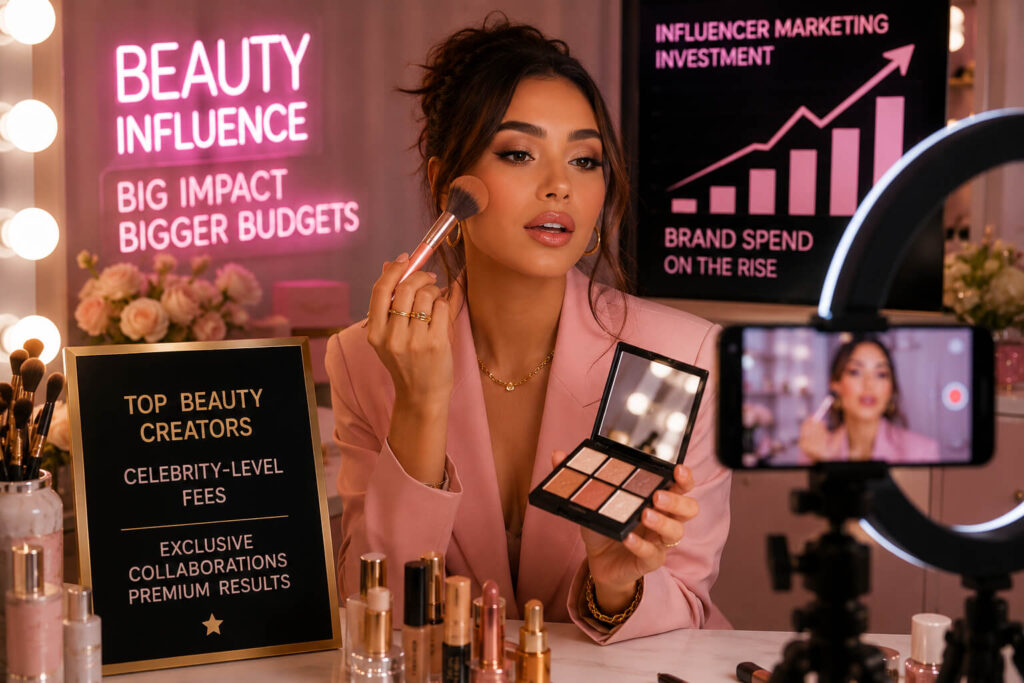
Top beauty creators are moving into celebrity-level pricing, and brands are still paying. Not because they have suddenly become generous. Because the beauty business has become brutally dependent on attention, trust, and fast-moving social proof.
A lipstick launch can now live or die on Instagram Reels, YouTube Shorts, TikTok reviews, and creator-led “get ready with me” content. One strong creator post can do what a polished campaign sometimes cannot. It can make a product feel wanted.
Beauty Brands Are Paying for Trust, Not Just Reach
The big shift is not only about follower numbers. Brands are paying for influence that feels personal.
Beauty shoppers often want to see texture, shade, finish, wear time, skin reaction, and honest-looking results before buying. A billboard cannot do that. A creator sitting in front of a mirror can.
That is why beauty influencers have become more valuable to makeup, skincare, haircare, fragrance, and personal care brands. They explain products in a way that feels closer to a recommendation than an advertisement. Sometimes that feeling is carefully produced, yes. But it still works.
For brands, a top creator is not just a media slot. They are a face, a content studio, a distribution channel, and sometimes even a sales engine.
Celebrity-Level Fees Are Becoming Normal at the Top
The highest-paid beauty creators are now charging fees that sit closer to celebrity endorsements than old-school influencer collaborations. And honestly, it makes sense from their side.
They bring niche authority. They bring loyal followers. They know how to shoot, edit, script, test products, speak to beauty audiences, and create formats that platforms reward.
A celebrity can bring fame. A beauty creator can bring conversion.
That difference matters. Especially in a category where people want proof before purchase. Foundation shades, skincare claims, hair treatments, and beauty devices all need demonstration. Creators know how to make that demonstration watchable.
Brands Are Doubling Down Because Beauty Moves Fast
Beauty marketing has become extremely crowded. New launches arrive every week. Indie brands, legacy brands, celebrity brands, dermatologist-backed brands, Korean beauty labels, luxury players, and pharmacy products are all fighting for the same screen space.
So brands are spending more on influencer marketing because they do not have much choice. Organic reach is unreliable. Paid ads are expensive. Consumer attention is fragmented. Creator content fills the gap.
A strong beauty creator can turn a launch into a conversation. Sometimes into a sell-out. Sometimes into a trend that other creators copy within days.
That speed is exactly what brands want.
Smaller Creators Still Matter, Maybe More Than Before
The celebrity-level fees at the top do not mean smaller creators are being pushed out completely. Actually, many beauty brands still rely heavily on micro and mid-tier creators because they often bring more specific communities.
One creator might be trusted for acne-prone skin. Another for curly hair. Another for luxury fragrance. Another for budget beauty finds. Those smaller circles can be very powerful because the audience feels more targeted and less distant.
Big creators create noise. Smaller creators can create belief.
That is why many campaigns now mix both. One or two major names for visibility, then a group of niche creators to make the product feel everywhere.
The Creator Rate Card Is Getting More Complicated
Beauty influencer pricing is no longer just “one Instagram post equals one fee.” Brands now negotiate for Reels, Stories, YouTube integrations, TikTok videos, whitelisting, paid ad usage, exclusivity, long-term ambassadorships, event appearances, product seeding, affiliate links, and content rights.
That is where costs rise quickly.
A brand may not only want the creator to post. It may also want to reuse the video in ads, keep the creator away from competitors, or stretch the campaign across several platforms. Each extra right adds money.
Creators know this now. Their managers know it too.
Beauty Creators Are Becoming Media Brands
The bigger story is that beauty creators are no longer just influencers. Many are becoming full media brands with their own audiences, formats, teams, product lines, and commercial power.
Some can launch their own beauty brands. Some can move products through affiliate links. Some can shape what becomes trendy before traditional media even catches up.
That changes the negotiation.
Brands are not simply buying a post from a person with a phone. They are buying access to a creator’s trust, taste, and community. That is why the fees are climbing.
What This Means for Influencer Marketing
Beauty brands will keep spending on creators, but the pressure to prove results will get sharper. High fees need stronger reporting. Views alone will not be enough. Brands will want sales, saves, clicks, repeat content value, and measurable lift.
Creators, meanwhile, will have to protect the thing that made them expensive in the first place: trust.
Too many paid posts can weaken that. Poor brand fit can weaken that faster. The creators who survive at the top will likely be the ones who can stay commercial without looking completely bought.
Beauty influencer marketing is growing up. Messy, expensive, competitive, and still very powerful.